Why Night Driving Myths Are a Safety Problem
Night driving is consistently more dangerous than daytime driving. According to the National Safety Council, roughly half of all traffic fatalities occur at night, despite significantly less traffic on the roads during those hours. Yet many drivers carry confident but incorrect assumptions about what makes them safe after dark.
These aren't harmless misunderstandings. When a myth shapes how you use your headlights, how fast you drive, or how you judge your own alertness, it directly affects crash risk. The myths below are among the most common - and the most consequential.
Myth
If I can see the road, I have enough time to stop.
Fact
At highway speeds, standard headlights illuminate roughly 160-250 feet ahead - often less than your actual stopping distance.
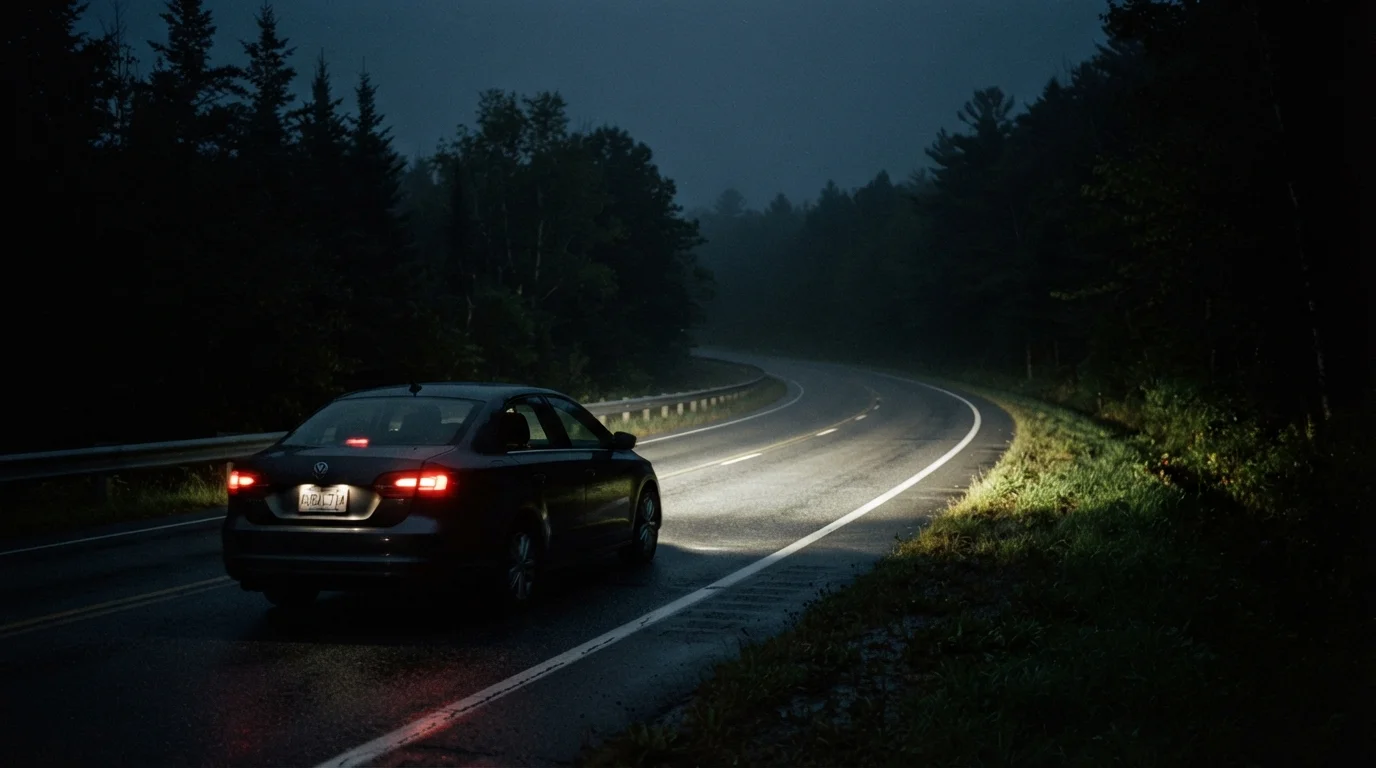
This is called overdriving your headlights - traveling at a speed where you cannot stop within the distance illuminated. At 60 mph, a typical vehicle needs around 240-300 feet to stop completely, but low-beam headlights may only show 160-200 feet of road. Anything beyond that - a stopped vehicle, a deer, road debris - may not be visible in time to react. The fix is straightforward: reduce speed on dark roads so your stopping distance stays within your sight distance.
Myth
Well-lit city streets are basically as safe as daytime driving.
Fact
Street lighting reduces some hazards but doesn't address glare from oncoming traffic, limited peripheral visibility, or pedestrian detection.
Urban lighting helps with lane visibility but creates its own problem: contrast glare. When your eyes adjust to bright streetlights, unlit areas - alleys, crosswalks, gaps between lights - become harder to see, not easier. Pedestrians wearing dark clothing remain poorly visible even on lit streets. Research consistently shows night pedestrian fatality rates are disproportionately high compared to daytime even in well-lit environments. Situational awareness can't be outsourced to street infrastructure.
Myth
Using high beams annoys other drivers, so it's better to avoid them.
Fact
High beams can more than double your visible range on unlit roads and should be used actively whenever no oncoming traffic is present.
Many drivers treat high beams as an aggressive or inconsiderate move and default to low beams even on completely dark rural roads. This is a real safety tradeoff. Low beams on a dark highway leave large portions of the road essentially invisible. The correct practice is to use high beams on dark roads with no oncoming traffic, and to dim them promptly - typically within about 500 feet - when another vehicle approaches. The concern about bothering other drivers is understandable, but it shouldn't override the visibility benefit when the road ahead is genuinely dark.
Myth
I've driven this road a hundred times - I know where everything is.
Fact
Familiarity with a route doesn't account for new hazards: animals, debris, pedestrians, broken-down vehicles, or changed road conditions.
Route familiarity can actually work against you at night by encouraging reduced vigilance. The road you know in daylight changes character after dark - the dip you normally see well in advance isn't visible until you're on it, and a deer or cyclist can appear anywhere regardless of your route history. Studies on driving behavior suggest familiar routes lead to more automated driving - lower conscious attention - which is a liability when unexpected hazards appear. Night driving demands active scanning, not autopilot.
Myth
Sunglasses-style or tinted lenses help with night glare.
Fact
Tinted lenses - including some marketed as 'night driving glasses' - reduce overall light transmission and can make night vision worse.
Yellow-tinted glasses marketed as night driving aids have been a persistent consumer product, but the evidence doesn't support a meaningful safety benefit. While they may reduce perceived glare, they simultaneously cut the total amount of light reaching your eyes - counterproductive when visibility is already limited. If glare from oncoming headlights is a significant problem, the more useful steps are keeping your windshield clean inside and out, checking that your mirrors are properly adjusted, and consulting an eye doctor if you notice consistent difficulty with night vision.
Myth
If I feel fine, fatigue isn't affecting my driving.
Fact
Fatigue impairs driving ability before it registers as a feeling of sleepiness, and self-assessment of alertness is unreliable.
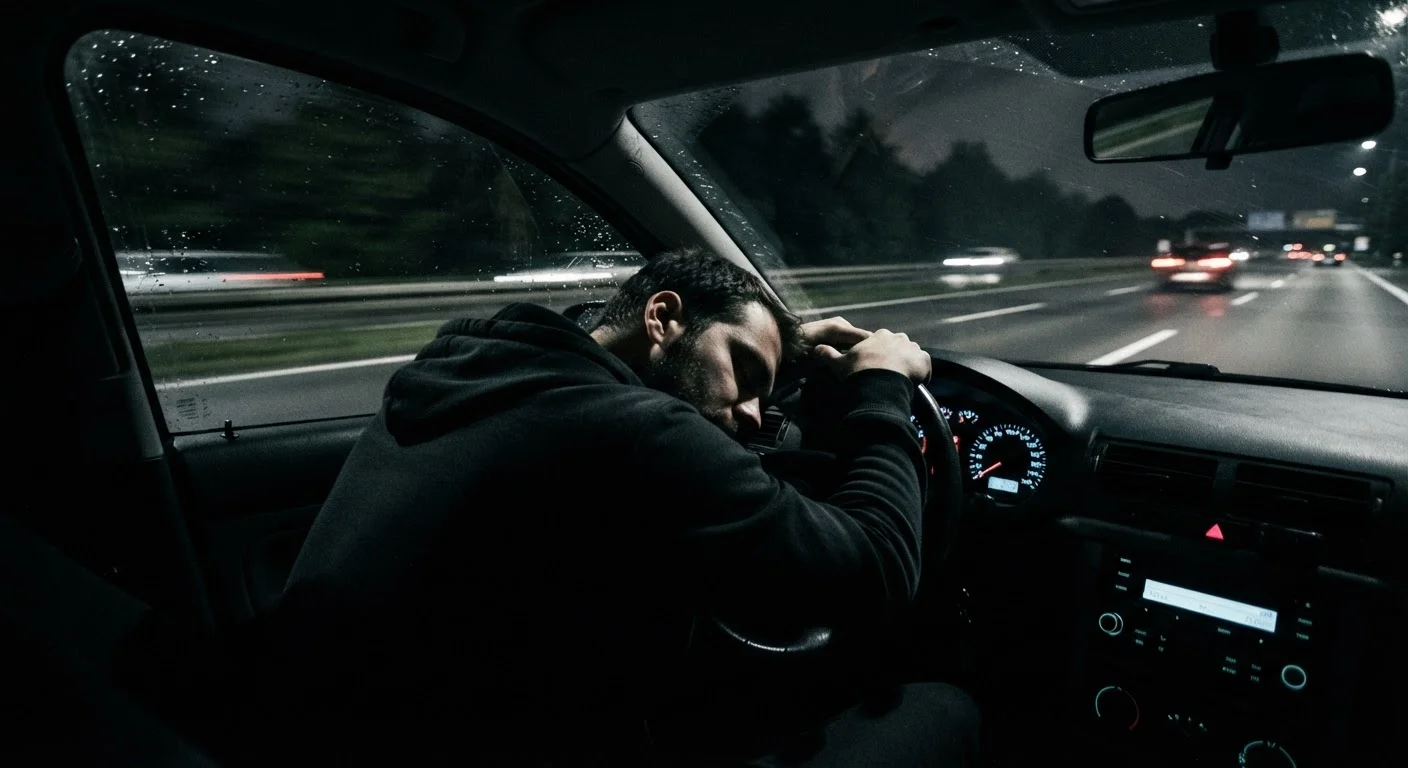
This is one of the most dangerous myths on this list. Tired drivers consistently overestimate their own alertness. Microsleeps - brief, involuntary lapses of consciousness lasting a few seconds - can occur without the driver being aware of them. At 60 mph, a two-second microsleep means traveling roughly 175 feet with no conscious control of the vehicle. Night hours compound this: the body's circadian rhythm naturally pushes toward sleep between roughly midnight and 6 a.m. If you're yawning repeatedly, having trouble keeping your eyes focused, or drifting in your lane, these are signs to pull over safely - not push through. Our article on drowsy driving covers the research in depth.
The Bigger Picture: Fatigue, Speed, and Preparation
Myths don't exist in isolation. Several of them interconnect - overconfidence about road lighting combines with overconfidence about personal alertness, which combines with speed choices that leave no margin for error. The result is a driver who feels safer than they are.
Don't Trust How Alert You Feel After Midnight
The window between midnight and 6 a.m. aligns with the body's strongest drive to sleep. Drivers in this window frequently feel functional while their reaction times and judgment are meaningfully impaired. If you're on a long night drive, plan for rest stops before you feel tired - by the time fatigue is obvious, impairment is already well underway.
Fatigue is a major amplifier of night driving risk. Reaction times slow, peripheral vision narrows, and judgment degrades - often before drivers recognize it's happening. See our guide to drowsy driving risks for a detailed breakdown of how fatigue affects your driving ability.
Speed choice matters more at night than most drivers account for. Posted speed limits are set for general road conditions - they don't automatically account for reduced visibility after dark. Slowing down isn't timidity; it's closing the gap between what your headlights can show you and what your vehicle needs to stop safely.
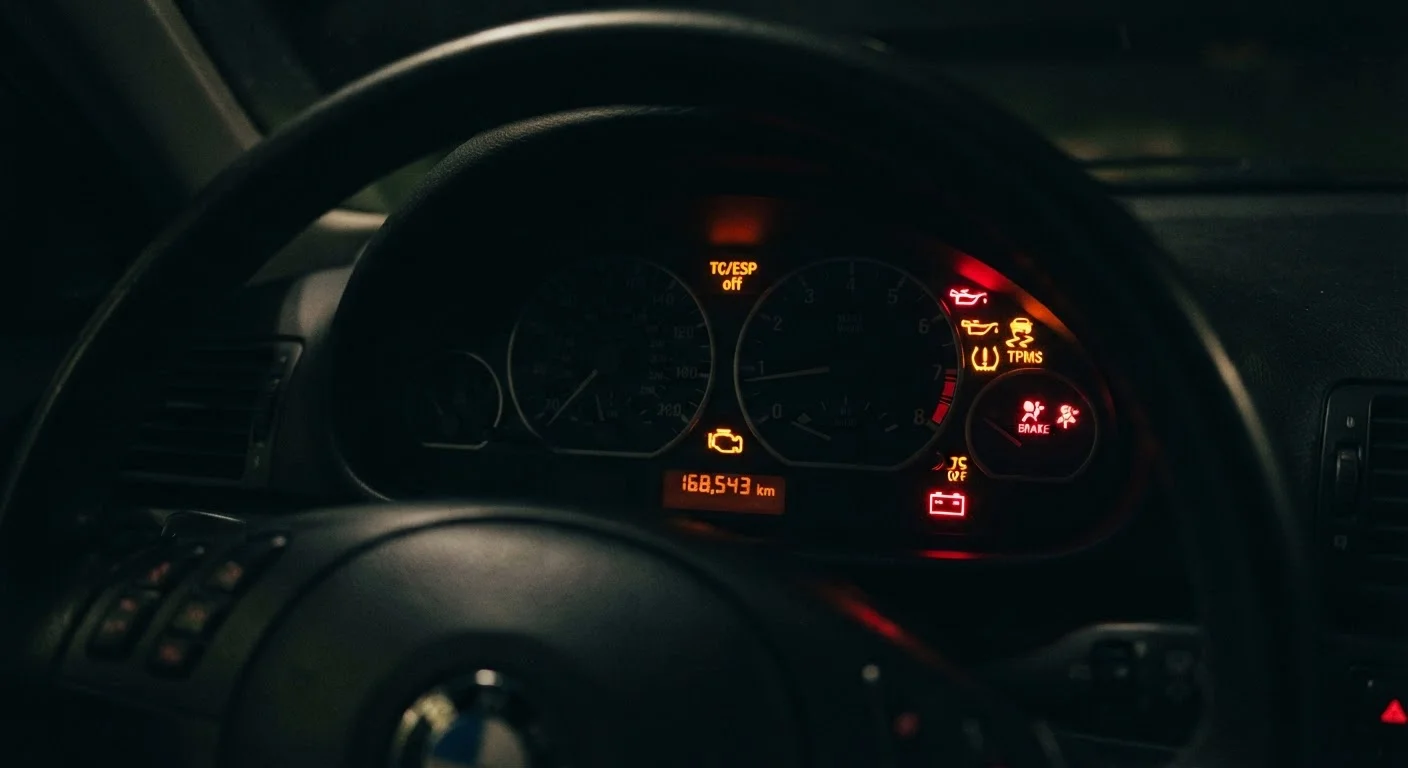
Vehicle condition plays a role too. Faded or misaligned headlights degrade gradually, making it easy to miss how much your visibility has declined. Dashboard warning lights won't tell you your headlights are dim - that's a manual inspection item worth adding to your routine maintenance checks. For a broader look at common vehicle upkeep mistakes, see our car maintenance hub.