Why Most Drivers Skip the Paperwork (And Why That's a Mistake)
Most drivers think of a maintenance record as something dealerships care about, not them. The reality is that a complete service history works directly in your favor - at the repair shop, at the negotiating table, and in warranty disputes. Without it, you're relying on memory and goodwill when something goes wrong.
Skipping records is a common habit, but the consequences compound over time. Missed documentation of an oil change might seem trivial today; six months later, it becomes a gap in your timeline that a warranty administrator can use to deny a claim. Keep in mind that deferred maintenance has its own chain of consequences - and poor recordkeeping makes those problems harder to trace and prove.
Best Practices for Building and Maintaining Your Records
Whether you use a physical folder in your glove box or a smartphone app, the system that works is the one you'll actually use. Below are the core practices that turn maintenance records from an afterthought into a genuine asset.
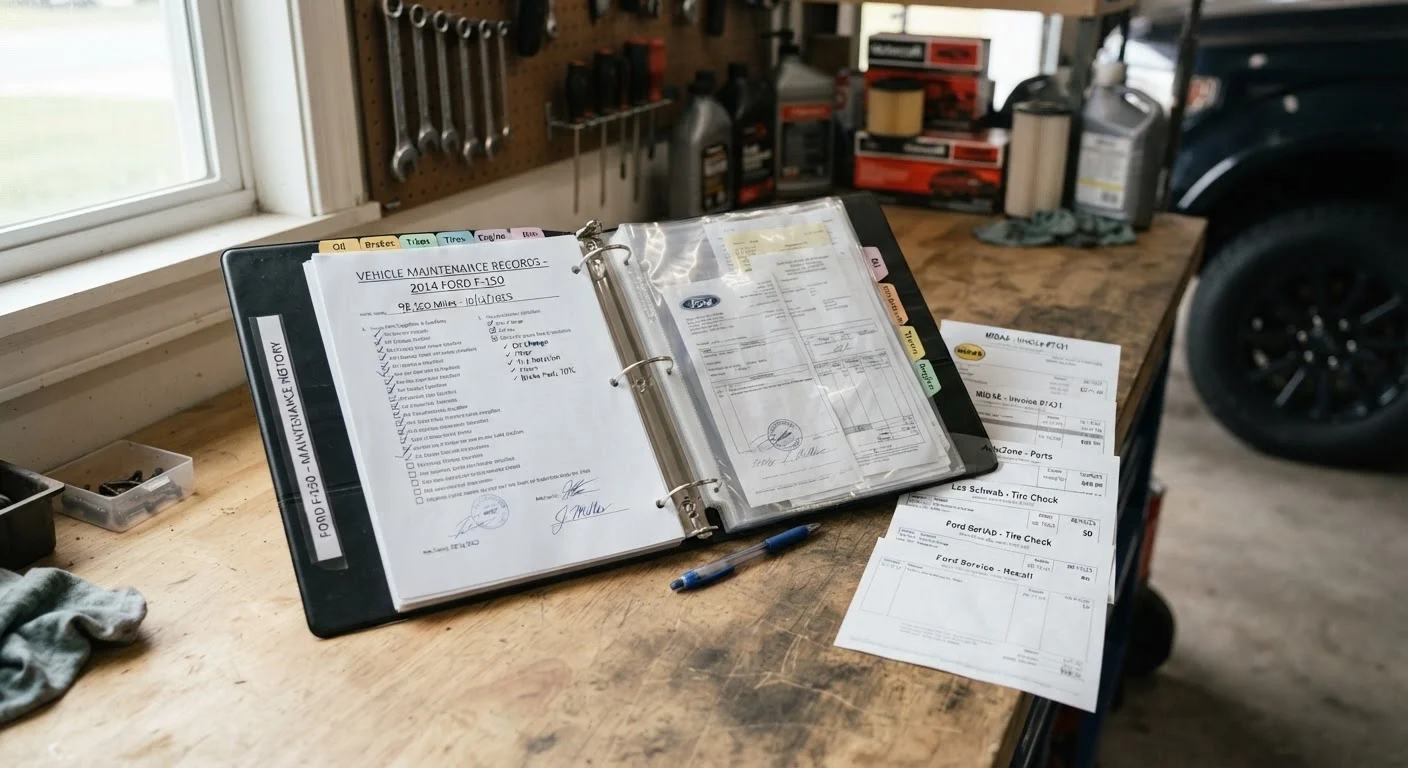
Keep every service receipt - digital or paper - in a single dedicated location.
Scattered records are nearly as useless as no records at all. A single folder, envelope, or cloud folder means you can produce documentation quickly when you need it, whether at a shop or during a sale.
Log the date, mileage, service performed, and shop name for every visit.
A receipt alone is useful, but a consistent log lets you spot patterns - like a brake fluid replacement that should have happened 20,000 miles ago - and gives mechanics an at-a-glance picture of your vehicle's history.
Record DIY maintenance with the same detail you'd expect from a shop.
Home oil changes and filter swaps count - but only if you document them. Without a record, there's no evidence the work was done, which matters for warranty purposes and future diagnostics.
Review your records before every major service appointment.
Walking into a shop with a clear picture of what's been done - and what's overdue - helps you have a more productive conversation with the mechanic and reduces the risk of paying for work that's already been performed.
Back up digital records to a second location.
A phone can be lost, stolen, or damaged. If your records exist only in one place, a single accident erases years of documentation. A simple backup removes that single point of failure.
For a broader framework of what to track and when, the seasonal car maintenance calendar provides a practical month-by-month structure you can align your records with.
Quick Wins: Start Your Paper Trail Today
You don't need a perfect system from day one. A few targeted actions this week will put you well ahead of most vehicle owners.
What Counts as a Maintenance Record?
Receipts from dealerships and independent shops are the most recognized form of documentation, but they're not the only kind. Digital invoices, credit card statements showing service charges, photos of odometer readings, and notes from DIY work all add to the picture. The goal is a traceable, timestamped record of what was done and when - use whatever format captures that consistently.
How Records Pay Off at Resale and Beyond
When it's time to sell or trade in your vehicle, a documented service history is one of the few things that's genuinely verifiable - and buyers know it. Private buyers are more willing to pay closer to asking price when they can see a clear, consistent record of care. Dealerships factor recordkeeping into trade-in assessments as well, though the degree varies.
Up to $500
Potential resale value gained with full service history
Industry estimates from used vehicle market analysts suggest that a verifiable, complete service history can add several hundred dollars to a private-sale price compared to identical vehicles with no documentation.
~30%
Of used car buyers cite service history as a top purchase factor
Consumer surveys on used vehicle purchases consistently find that a documented maintenance record ranks among the top considerations for private buyers evaluating a vehicle.
Records also matter if you carry an extended warranty. Coverage disputes often hinge on whether required maintenance was performed on schedule. If you're weighing that kind of coverage, it's worth understanding when extended warranties actually add value before committing. Either way, having documentation on hand puts you in a stronger position.
Think of your maintenance records the same way you'd think about any important household paperwork - they're a reference that protects your investment and simplifies decisions down the road. For a broader look at vehicle upkeep, explore the car maintenance hub for guidance on keeping your vehicle running safely and reliably.