Why Skipped Maintenance Rarely Stays Cheap
It's easy to push a scheduled oil change back a few weeks, or to tell yourself the cabin air filter can wait another season. Individually, each delay seems harmless. Cumulatively, these decisions tend to catch up with drivers in the form of repair bills that dwarf what the original service would have cost.
The logic behind routine maintenance is straightforward: vehicles are mechanical systems, and those systems degrade predictably under use. Regular servicing interrupts that degradation before it becomes damage. When it doesn't happen on schedule, the wear continues unchecked - and vehicles are not forgiving about it over time.
If you're already struggling to budget for upkeep, understanding the full cost of car ownership is a useful starting point for getting ahead of these expenses before they surprise you.
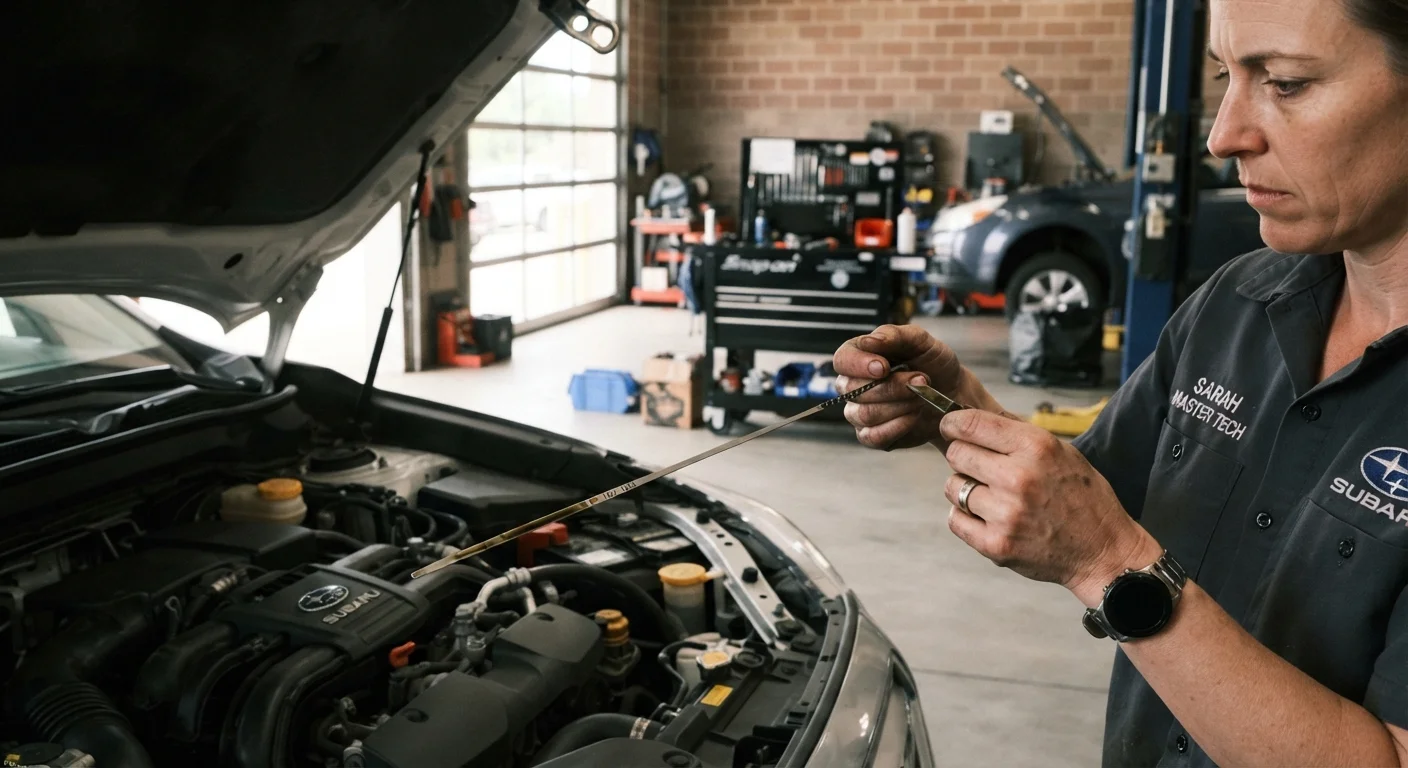
Delaying oil changes beyond the manufacturer's recommended interval.
Why it happens: Drivers often assume modern engines are more forgiving, or they underestimate how quickly oil degrades under real driving conditions.
Ignoring cabin and engine air filter replacement schedules.
Why it happens: Filters don't give obvious warning signs until they're severely clogged, so it's easy to assume they're fine when they haven't been checked.
Skipping coolant flushes and fluid top-offs.
Why it happens: Coolant and brake fluid don't appear on visible dashboards, so drivers often don't know they're due for service until a problem surfaces.
Ignoring tire rotation and pressure checks.
Why it happens: Tire wear is gradual and uneven wear often isn't noticeable until significant damage has occurred, especially on all-wheel-drive vehicles.
Putting off brake inspections until noise or performance issues appear.
Why it happens: Brakes feel adequate right up until they don't, so drivers tend to wait for obvious symptoms rather than scheduling preventive inspections.
The Compounding Effect of Deferred Care
One underappreciated reality of vehicle maintenance is that systems are interconnected. A clogged air filter forces the engine to work harder, which accelerates wear on fuel injectors and oxygen sensors. Old transmission fluid loses its lubricating properties and heat-resistance, which shortens transmission life significantly. Neglecting one service often quietly accelerates the timeline on the next failure.
~$400
Average cost of a routine oil change service
Industry estimates suggest that skipping oil changes can lead to engine repairs costing several thousand dollars - many times the price of regular servicing.
10-20%
Fuel efficiency loss from a clogged air filter
According to the U.S. Department of Energy, a severely restricted engine air filter can measurably reduce fuel economy on older carbureted vehicles, with some impact on modern fuel-injected engines as well.
This compounding pattern is why service intervals exist in the first place - they're calibrated to catch problems at the point where correction is still inexpensive. Skipping them doesn't eliminate the problem; it just moves the intervention point further down the cost curve.
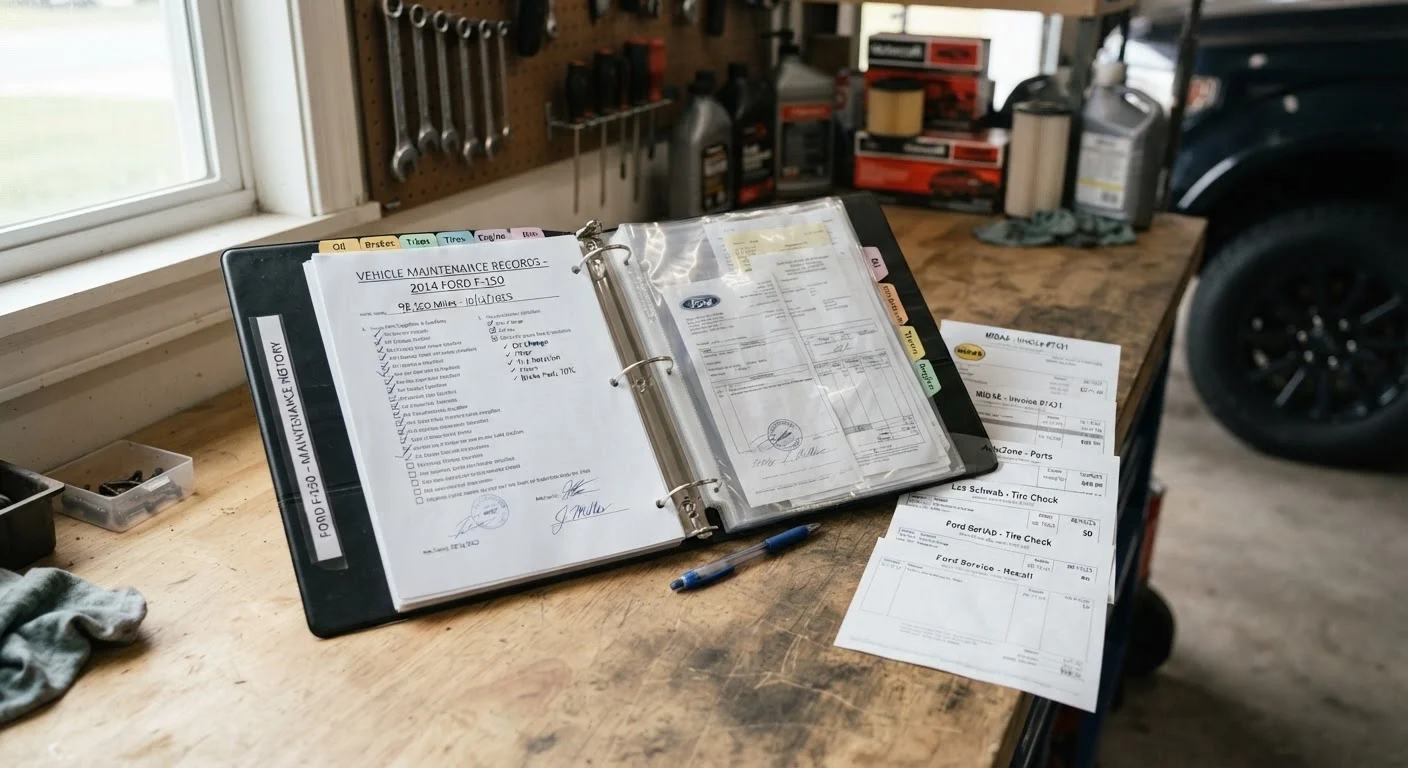
Keeping a detailed maintenance log makes it easier to track what's been done and what's due, and helps mechanics diagnose problems more accurately if something does go wrong.
Engine Damage from Neglect Is Often Irreversible
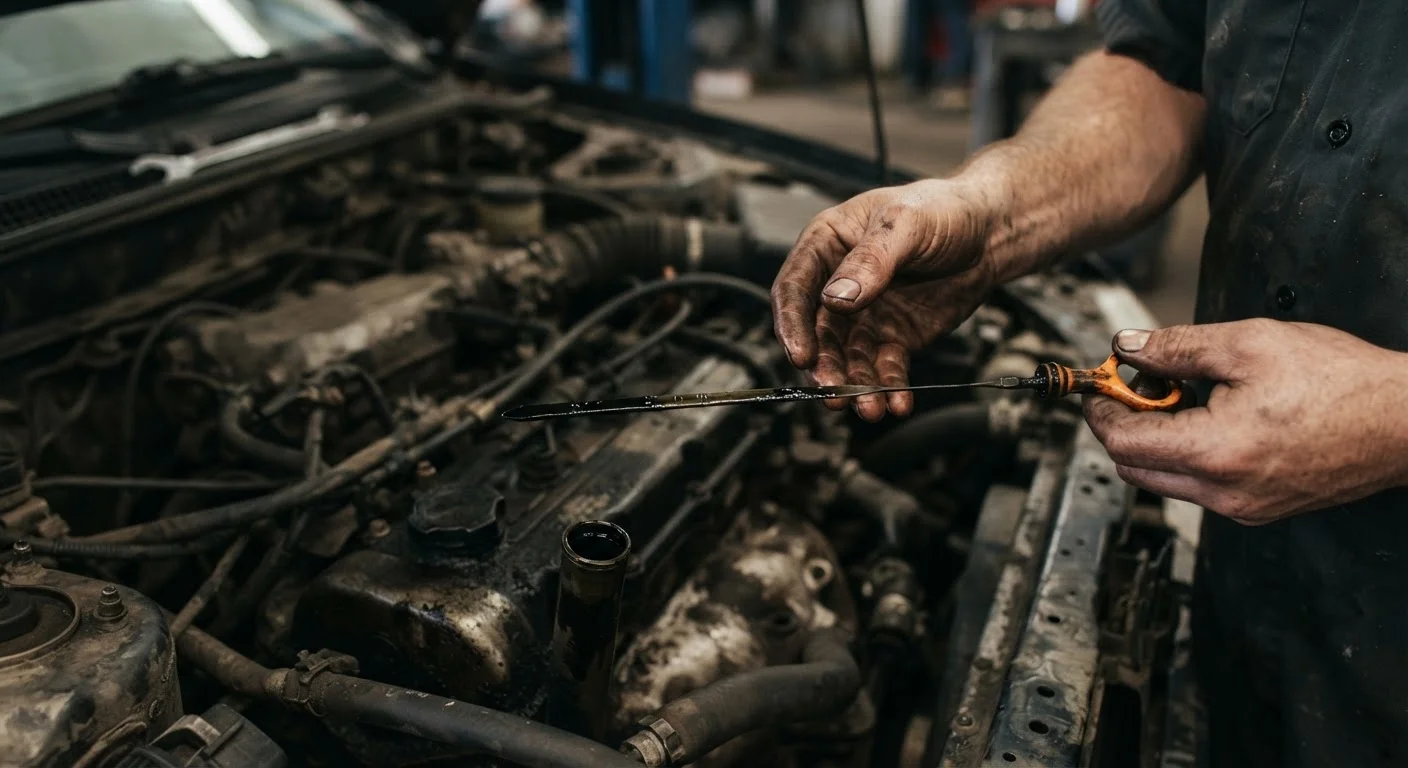
Oil starvation and chronic overheating are among the most common causes of catastrophic engine failure - and both are largely preventable with consistent maintenance. Unlike worn brake pads or a dirty filter, severe engine damage typically cannot be undone with a single repair visit. At that stage, drivers are often facing an engine rebuild or full replacement, costs that can exceed the vehicle's market value.
Building the Habit Before the Bill Arrives
The practical fix is straightforward even if the discipline isn't always easy: follow the manufacturer's recommended service schedule in your owner's manual, not the loudest voice in a parking lot or a generalized rule of thumb. Intervals vary by vehicle, driving conditions, and fluid type, so generic advice - like the old 3,000-mile oil change rule - may not apply to your car. (For more on separating car care fact from fiction, see common maintenance myths that cost drivers money.)
If cost is the barrier, it's worth recognizing that deferred maintenance is itself a financial risk. Budgeting a predictable monthly amount for routine service is far less disruptive than an unexpected $1,500 repair. The same preventive logic applies across many areas of ownership - ongoing car expenses reward planning far more than they reward avoidance.
This article is for general informational purposes only. Always consult a qualified mechanic for diagnosis, repair recommendations, and service intervals specific to your vehicle.