Why Your Car Starts Losing Value Before You Get Home
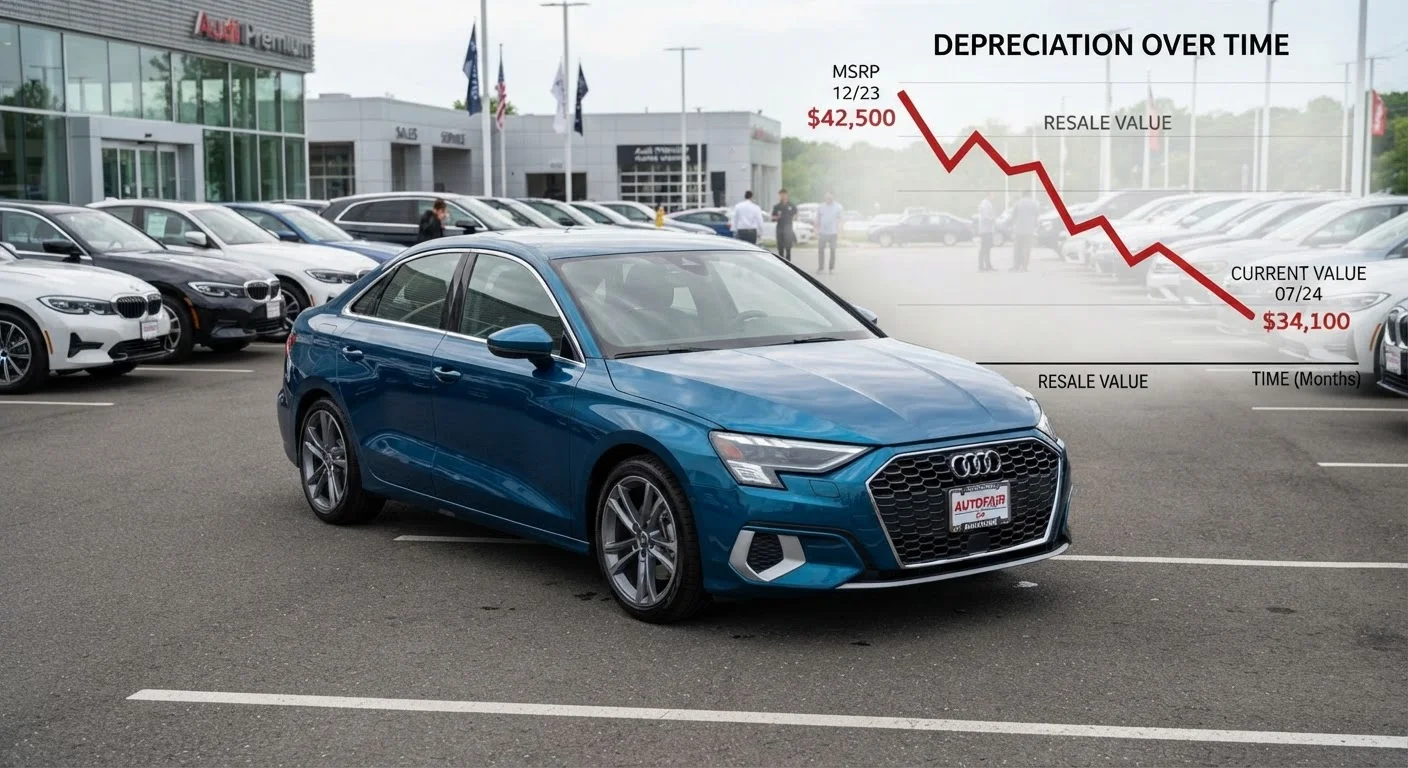
The moment a dealer marks a vehicle as sold and you drive it onto a public road, it's no longer "new" in any meaningful sense to the resale market. That transition alone can reduce a vehicle's value by several thousand dollars - not because anything broke, but because the market assigns a premium to vehicles that have never been titled to a private owner.
This immediate drop is part of a broader depreciation curve. Over the following years, a car continues to lose value - though usually at a slower rate than that first-year hit. For most mainstream vehicles, the steepest losses happen within the first three years. After that, the rate of decline tends to level off, though it never fully stops.
For practical purposes, depreciation is the difference between what you paid and what you could realistically get for your vehicle today. It's not a line item on your monthly statement, but it's very real money - and for most owners, it's the largest single cost of owning a car. See what car ownership actually costs beyond the sticker price for a fuller picture of where money goes.
~20%
Average new-car value lost in year one
Industry estimates consistently place first-year depreciation for new vehicles between 15% and 25% of original purchase price, depending on make and model.
~50%
Value lost within five years for many vehicles
Many mainstream vehicles lose roughly half their original value within five years of purchase, making depreciation the dominant cost of ownership over that period.
$3,000+
Typical annual depreciation cost per vehicle
Consumer financial research frequently identifies depreciation as the single largest annual cost of vehicle ownership, often exceeding fuel, insurance, or maintenance individually.
What Drives the Rate of Depreciation
Not all vehicles depreciate at the same pace. Several factors push a vehicle's value down faster or help it hold on longer:
- Mileage: Higher mileage means more mechanical wear, and buyers price that in. Vehicles driven significantly above average annual mileage (generally around 12,000-15,000 miles per year) tend to depreciate faster.
- Condition and maintenance history: A well-documented service record and clean cosmetic condition signal to buyers that the vehicle was cared for. Consistent car maintenance directly supports resale value.
- Make and model reputation: Vehicles with strong reliability reputations and broad demand historically hold value better than those with narrower appeal or known reliability issues.
- Market demand: Fuel prices, economic shifts, and consumer trends affect what buyers want. A truck-heavy market or a spike in fuel costs can significantly alter resale values across entire segments.
- Accident history: A reported accident - even a repaired one - typically reduces what buyers will pay, often substantially.
Maintenance Records Protect Resale Value
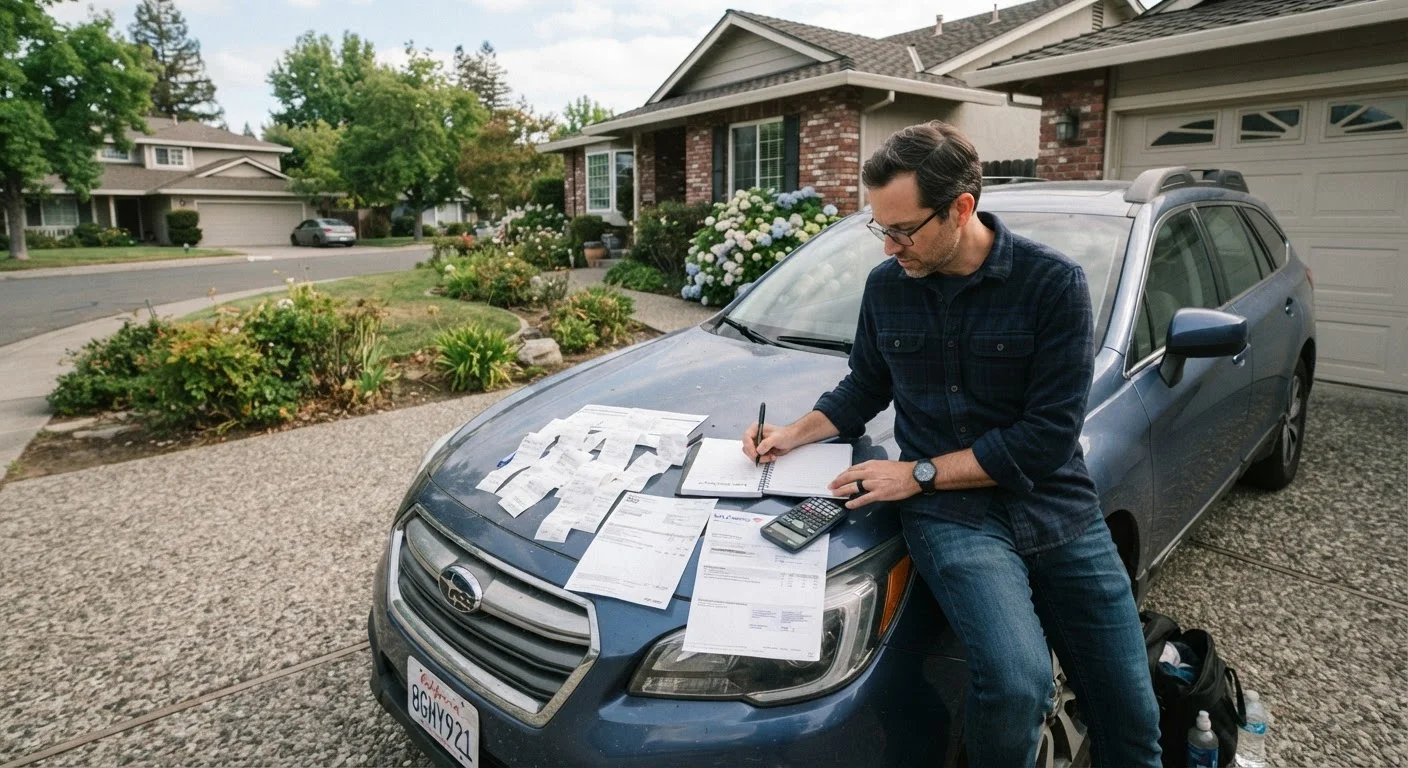
Keeping a written or digital log of every oil change, tire rotation, and repair makes a real difference when selling. Buyers and dealers both assign more value to vehicles with documented service histories. Store receipts or use your mechanic's service portal to build a record from day one.
How Depreciation Connects to Financing and Insurance
Depreciation creates a financial risk that's easy to underestimate when signing a loan. In the early months of ownership, your vehicle's value can drop faster than your loan balance decreases - especially if you made a small down payment or financed over a longer term. This situation, often called being "underwater" or "upside down" on a loan, means you owe more than the car is currently worth.
If your vehicle is totaled or stolen during this period, a standard insurance policy typically pays actual cash value (ACV) - the depreciated market value of the vehicle at the time of loss, not your loan payoff amount. Understanding how ACV differs from replacement cost is essential for any financed vehicle owner.
GAP insurance bridges exactly that gap - covering the difference between the ACV payout and what you still owe. It's worth knowing about, particularly in the first few years of financing a new or near-new vehicle. Consult a licensed insurance agent to understand whether it makes sense for your specific situation.
GAP Coverage Is Not Always Automatic
GAP insurance is sometimes offered through a dealership's finance office, but it may also be available through your auto insurer - often at a lower cost. It's typically only relevant if you're financing a vehicle, and its value diminishes as your loan balance approaches the car's market value. Always read the terms carefully and consult a licensed insurance agent before deciding.
Using Depreciation Knowledge to Make Smarter Ownership Decisions
Understanding how depreciation works isn't just academic - it changes how you think about buying, owning, and eventually selling a vehicle.
Buyers who purchase vehicles two to four years old rather than new often absorb far less depreciation loss over the same ownership period, since the steepest drop has already happened. This is a general principle, not a guarantee - individual circumstances vary widely.
When it comes time to sell or trade in, knowing a vehicle's approximate market value before you walk into a dealership or post a listing gives you a realistic baseline. Resources that track used vehicle market pricing can help you understand what a fair offer looks like - though actual value depends on your specific vehicle's condition and local demand.
For those financing a vehicle, factoring depreciation into your budget from the start helps you avoid being caught short. Making a meaningful down payment, choosing a loan term matched to how long you plan to keep the vehicle, and avoiding excessive mileage relative to your situation are all ways to stay ahead of the depreciation curve.
Depreciation is also one reason many new owners underestimate ongoing car expenses - it doesn't show up as a monthly bill, but it has a real impact on your financial picture when it's time to move on. For a complete glossary of related terms, see the car ownership glossary.
This article is for general informational and educational purposes only. It does not constitute financial, insurance, or legal advice. Consult a licensed financial adviser or insurance professional for guidance specific to your situation.