What Each Term Actually Means
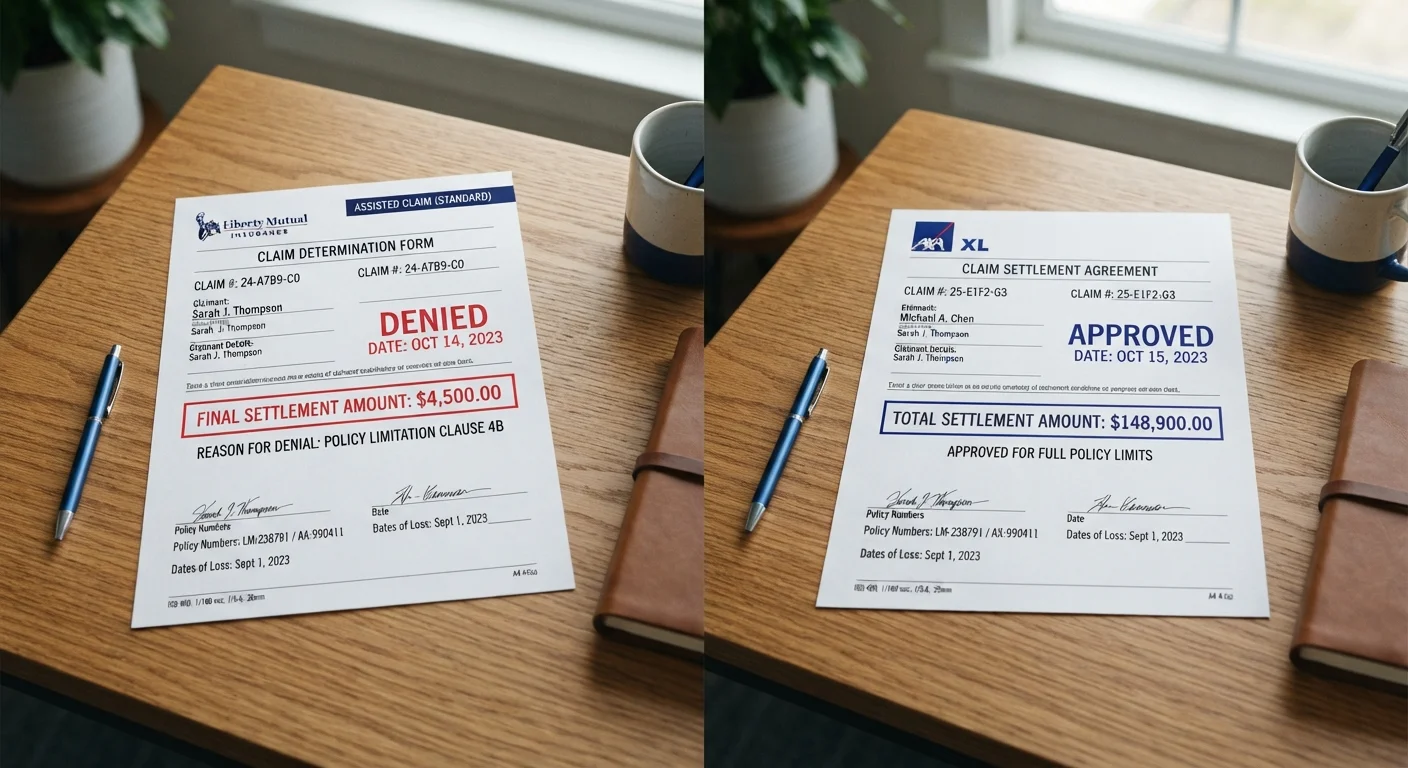
When an insurer settles a property claim, the dollar amount you receive is shaped almost entirely by which valuation method your policy uses. The two most common are Actual Cash Value (ACV) and Replacement Cost Value (RCV). They sound similar, but they calculate payouts in fundamentally different ways.
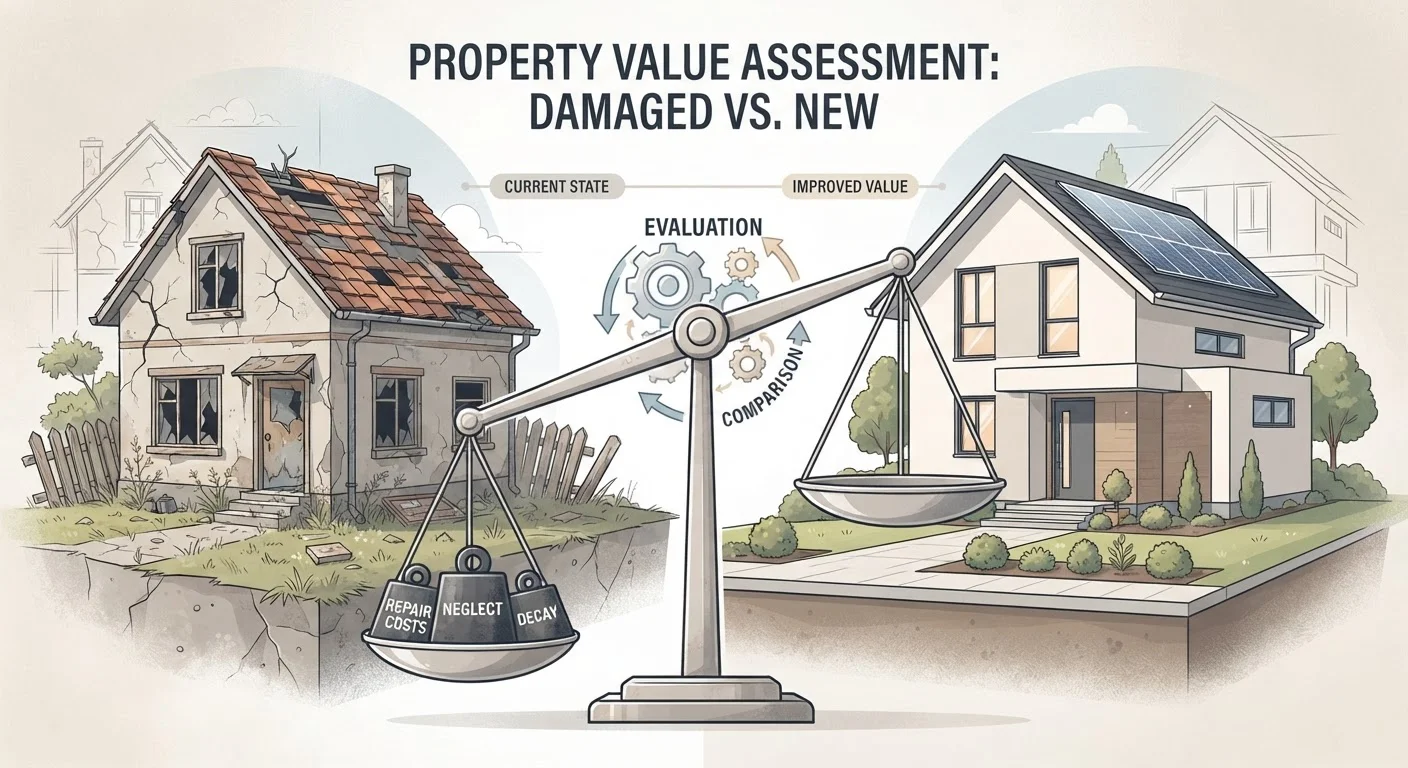
Actual Cash Value is the property's worth at the moment of the loss - not what you paid for it and not what it would cost to buy new. ACV accounts for depreciation, which is the reduction in value caused by age, wear, and obsolescence. A simplified way to express it: ACV = Replacement Cost − Depreciation.
Replacement Cost Value, by contrast, is the amount required to repair or replace the damaged property with a new item of like kind and quality at current prices - with no deduction for depreciation. If your ten-year-old roof is destroyed, RCV pays for a new roof today, not a ten-year-old roof's market equivalent.
These definitions are not universal shorthand - they are specific policy terms, and their precise application varies by insurer and state. Insurance terms that look similar but mean very different things is a useful companion read for understanding how policy vocabulary can shift meaning depending on context.
How Depreciation Changes the Math
Depreciation is the engine that separates ACV from RCV, and understanding it makes payout differences immediately concrete. Insurers calculate depreciation using factors such as the item's age, its expected useful life, and its condition before the loss occurred.
Consider a straightforward example. Suppose a covered fire damages kitchen appliances that originally cost $3,000 and were seven years old at the time of the claim. If the insurer assigns a 15-year useful life and applies straight-line depreciation, roughly 47% of value has been depreciated away. Under ACV, the payout might be approximately $1,590 before the deductible. Under RCV, the payout would reflect the current cost of comparable new appliances - potentially $3,400 or more depending on today's prices.
That gap - sometimes thousands of dollars - is money the policyholder must supply out of pocket under an ACV policy. The difference between ACV and replacement cost payouts can be substantial enough to affect whether a homeowner can fully rebuild after a major loss.
~47%
Potential depreciation on a mid-life appliance
Straight-line depreciation on a $3,000 appliance with a 15-year useful life, seven years into ownership, illustrates how quickly ACV payouts shrink.
2-step
Typical RCV payout structure
Many RCV policies first pay the ACV amount, then release withheld depreciation only after the insurer receives proof of completed repairs or replacement.
One additional nuance: many RCV policies operate on a two-step payout. The insurer initially releases the ACV amount, then pays the remaining depreciation - called the recoverable depreciation - once proof of completed repairs or replacement is submitted. This structure protects the insurer while still delivering full RCV to compliant claimants.
Side-by-Side Comparison
The table below contrasts ACV and RCV across the criteria most relevant to a property insurance claim. Keep in mind that specific figures, terms, and options vary by policy and insurer.
| Criterion | Actual Cash Value (ACV) | Replacement Cost Value (RCV) |
|---|---|---|
| Payout basis | Depreciated value at time of loss | Current cost of new equivalent |
| Depreciation deducted? | Yes - reduces the settlement | No - full replacement cost paid |
| Typical premium cost | Lower | Higher |
| Out-of-pocket risk after loss | Higher - policyholder covers the gap | Lower - insurer covers full replacement |
| Payout timing | Single settlement at claim resolution | Often two-step: ACV first, then recoverable depreciation |
| Best suited for | Budget-conscious buyers; older property | Owners who need full rebuild capability |
| Common in which policies | Basic HO policies, renters insurance | Standard and enhanced homeowners policies |
Depreciation Methods Vary by Insurer
Not all insurers use the same depreciation schedule or formula. Some apply straight-line depreciation; others use tables specific to the item category, age bracket, or regional pricing. The same damaged roof can produce different ACV figures from two different insurers. Request your insurer's depreciation guidelines in writing if you want to understand how your claim will be calculated before a loss occurs.
For items such as antiques, custom-built structures, or specialty equipment, neither standard ACV nor RCV may be the most appropriate valuation method. Agreed value vs. stated value coverage explains alternative approaches designed for high-value or difficult-to-replace property.
Reading Your Policy's Valuation Clause
The valuation method your policy uses will appear in the conditions or loss settlement section of your policy document. Look for phrases such as "actual cash value," "replacement cost," "depreciation," or "recoverable depreciation." If those terms are absent or ambiguous, ask your insurer or a licensed agent for written clarification before a loss occurs - not after.
A few practical points worth checking in any property policy:
- Is depreciation withheld? Some RCV policies hold back depreciation until repairs are complete. Confirm how and when you can claim the withheld amount.
- How does the insurer define "like kind and quality"? This phrase governs what replacement standard applies - it matters for custom or older materials.
- Are there sub-limits or scheduled items? Certain categories (electronics, jewelry, outbuildings) may carry their own valuation rules separate from the main dwelling coverage.
Understanding how insurers define key claim terms more broadly can also help you read the rest of your policy with greater confidence. For a deeper look at how coverage decisions interact, explore the Coverage Explained hub.
This article provides general insurance information for educational purposes only and does not constitute personalized insurance, financial, or legal advice. Coverage terms, depreciation methods, and payout rules vary by insurer, policy, and state. Always read your actual policy documents and consult a licensed insurance professional for guidance specific to your situation.