What You're Looking At
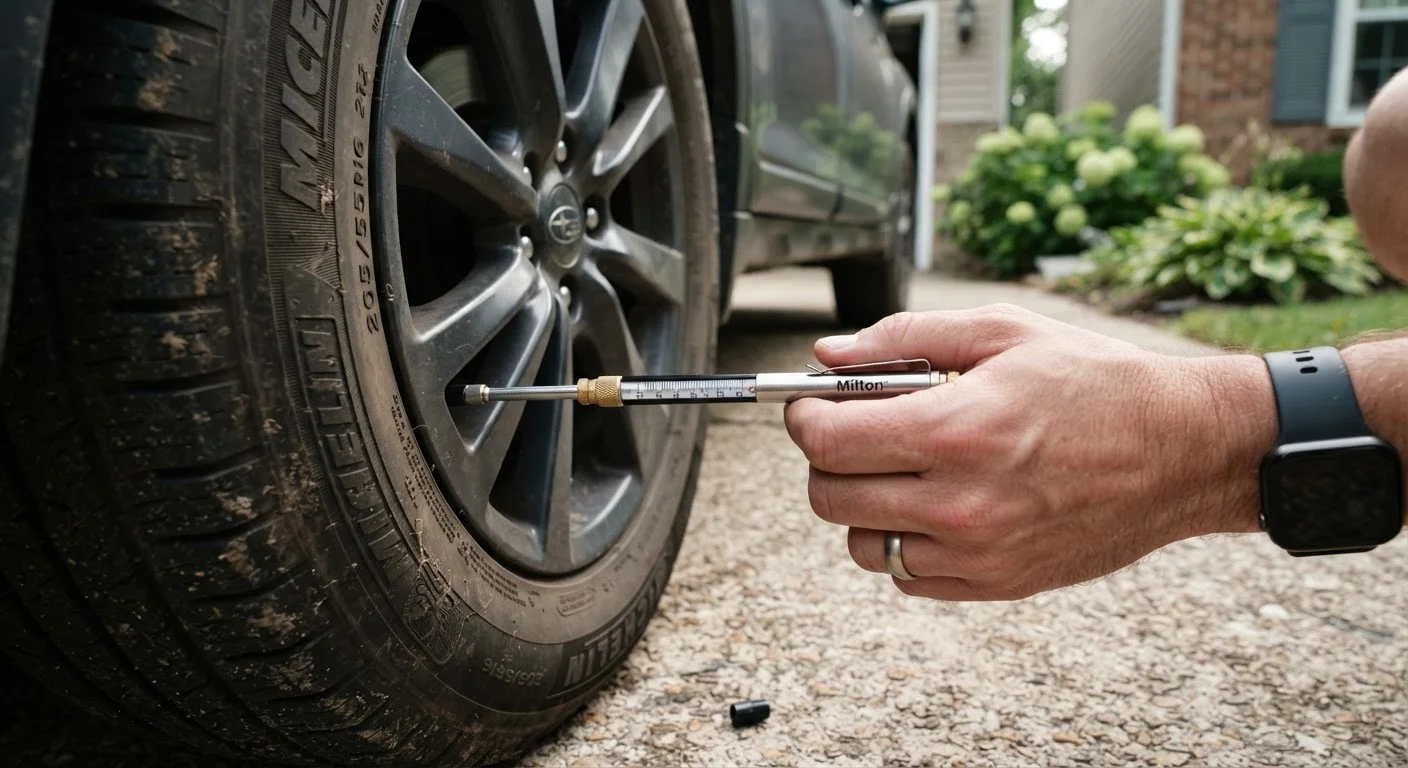
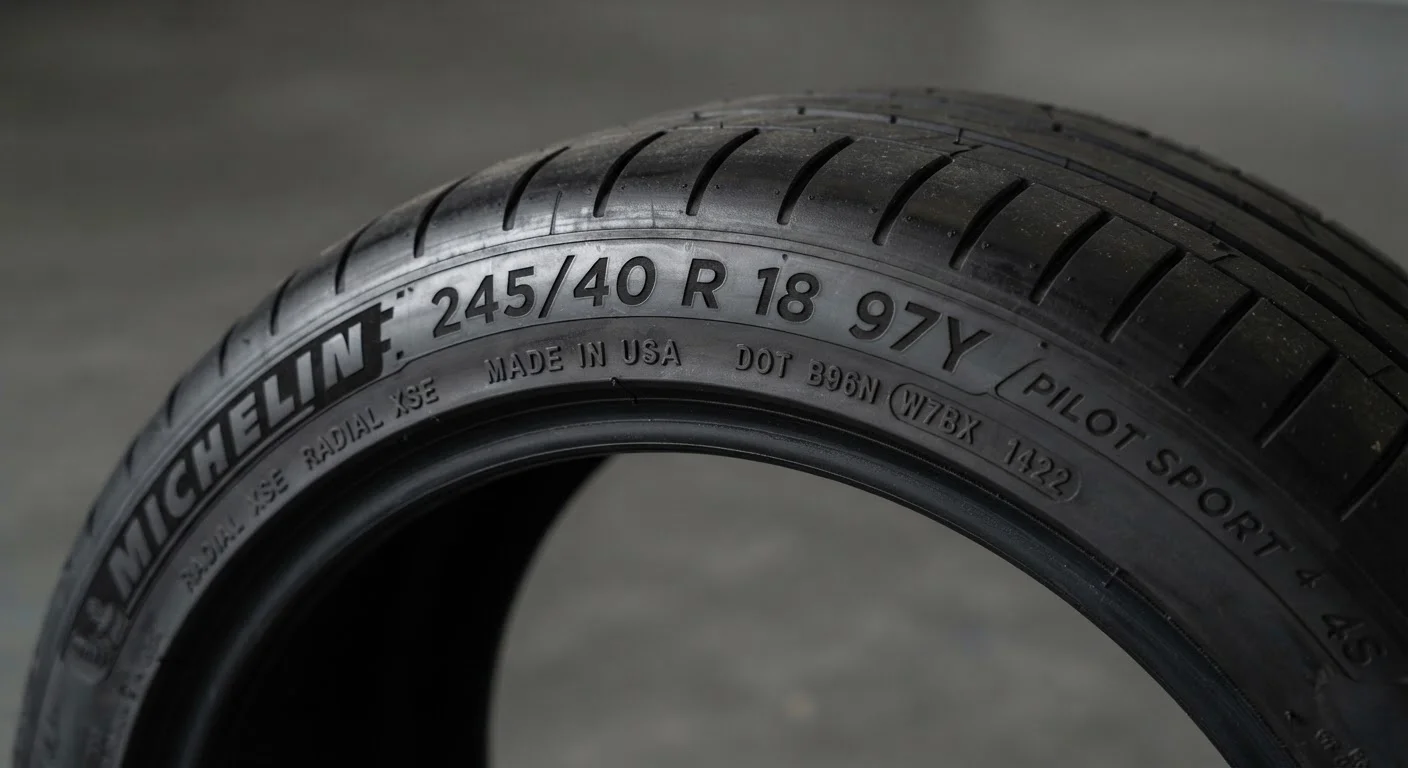
Pick a tire on your car and look at the sidewall. Somewhere on it you'll find a string like P215/65R17 98H. That compact sequence tells you everything about what the tire is built to do. Just like reading a food nutrition label, once you understand the structure, the information snaps into focus quickly.
Here's what each segment means, broken down in order.
What you will need
Decoding the Code, Section by Section
Follow these steps through a standard tire code. Use a real tire in front of you if you have one - the exercise takes less than ten minutes.
Identify the service type prefix
The code often starts with a letter: P (passenger vehicle), LT (light truck), or T (temporary spare). Some European-market tires have no prefix at all - those are called metric tires and carry slightly different load ratings than P-metric versions. Match your replacement to the same service type your vehicle specifies.
Read the three-digit width number
The first number - 215 in our example - is the tire's section width in millimeters, measured from sidewall to sidewall at the widest point. A wider tire covers more contact area on the road. This number directly affects handling feel and must match or be an approved alternative to your vehicle's spec.
Decode the aspect ratio
After the slash, the two-digit number - 65 - is the aspect ratio: the tire's sidewall height expressed as a percentage of its section width. A 65 aspect ratio means the sidewall height is 65% of 215 mm, or about 140 mm. Lower numbers mean shorter, stiffer sidewalls (sportier handling); higher numbers mean taller sidewalls (more cushion, common on trucks and SUVs).
Note the construction type and rim diameter
The letter after the aspect ratio - almost always R - stands for radial construction, which is the standard on virtually all modern passenger tires. The number that follows (17) is the rim diameter in inches that the tire is designed to fit. This must match your wheel exactly - there's no adjustment or workaround.
Look up the load index
The two-digit (sometimes three-digit) number after the rim diameter - 98 in our example - is the load index. It corresponds to a standardized table of maximum weight-carrying capacity per tire. A load index of 98 equates to 1,653 lbs per tire. Multiply by four for your vehicle's total load capacity from tires alone. Never install tires with a load index below what your vehicle's placard specifies.
Interpret the speed rating letter
The final letter - H - is the speed rating: the maximum sustained speed the tire is designed to handle under load. H-rated tires are certified to 130 mph. Common ratings you'll encounter: S (112 mph), T (118 mph), H (130 mph), V (149 mph), W (168 mph). Your replacement tires must meet or exceed the rating your manufacturer specifies. Using a lower-rated tire at highway speeds creates a safety risk. For context on speed and road engineering, see how posted speed limits relate to road design.
Check All Four Tires, Not Just One
Sidewall codes can differ between your front and rear tires, especially on performance or staggered-fitment vehicles. Always read each tire individually before assuming they all match. Mismatched load indexes or speed ratings on the same axle can affect handling and safety.
The DOT Code and Manufacture Date
Separate from the size code, look for a string beginning with DOT. The last four digits are the ones that matter: the first two indicate the week of manufacture, the second two the year. DOT ●● ●● 2419 means the 24th week of 2019.
Why does this matter? Rubber degrades over time whether or not a tire looks worn. Most vehicle manufacturers and tire industry bodies suggest inspecting tires carefully after six years of service, and many recommend replacement after ten years regardless of appearance. If you're buying used tires or haven't checked in a while, the DOT date is the number to find first.
Old Tires Can Be Dangerous Even When They Look Fine
A tire with plenty of tread but a manufacture date more than six years old may have degraded rubber internally. Cracking, brittleness, and reduced elasticity are not always visible on the surface. Check the DOT date code and follow your vehicle manufacturer's guidance on maximum tire age - don't rely on tread depth alone.
Load index and speed rating work as a pair. Your vehicle's owner manual (or the placard on the driver's door jamb) lists the minimum ratings your replacement tires must meet. Going lower than specified is unsafe and may affect insurance coverage in the event of an accident - general financial guidance, not a guarantee. Consult a licensed agent for your specific policy terms.
For a deeper look at how tire condition connects to everyday driving safety, see why tire pressure matters more than you think.