The Number on Your Door Jamb Is the One That Matters
Most drivers know tire pressure exists as a concept - the dashboard light comes on, they add some air, and move on. But understanding why that number matters changes how seriously you treat it.
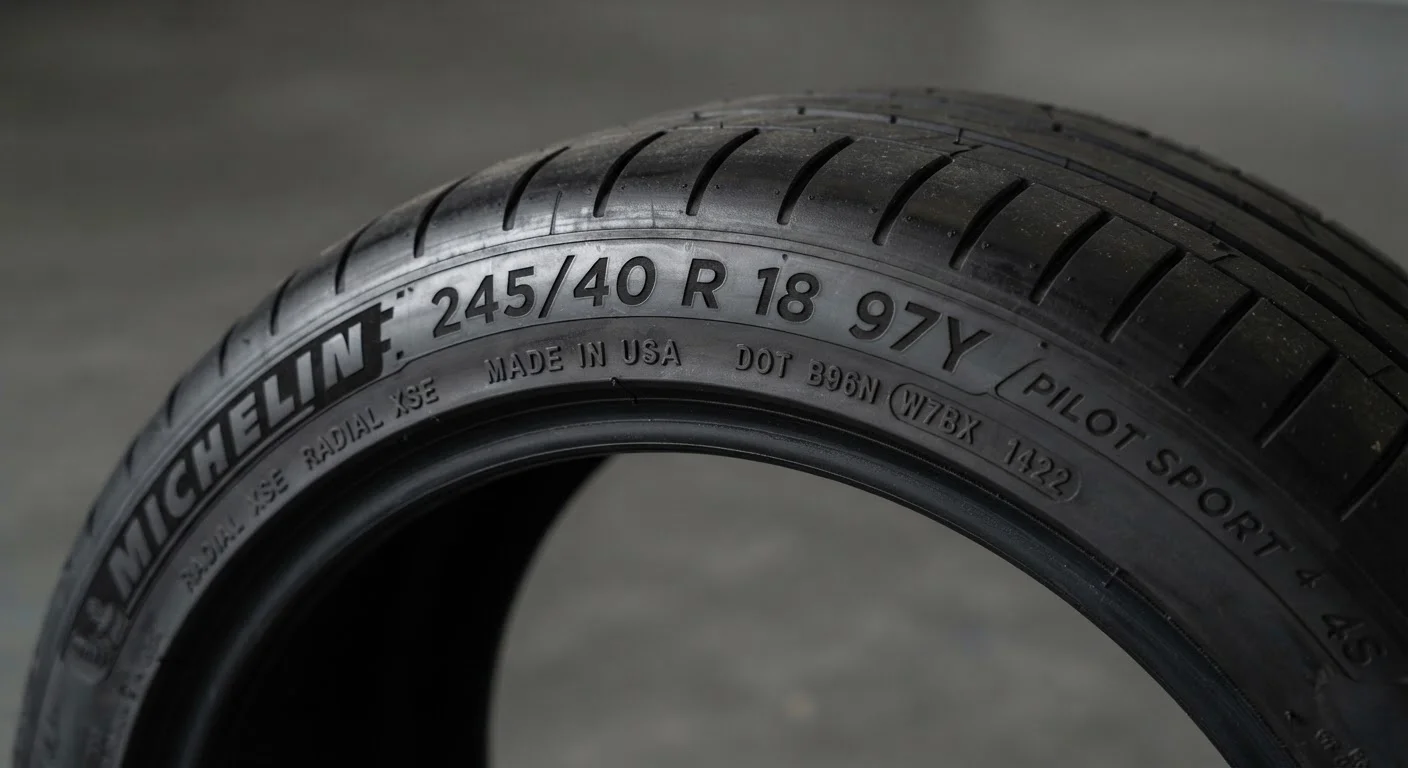
Your vehicle's recommended PSI is engineered specifically for that car's weight, suspension geometry, and handling characteristics. You'll find it on a sticker inside the driver's door jamb - not on the tire itself. The number stamped on the tire sidewall is the maximum pressure that tire can hold safely, which is a very different thing. Running your tires at that maximum will actually hurt performance and safety, not help it.
For more on decoding the numbers stamped on your tires, see how to read a tire sidewall - it covers load ratings, speed ratings, and what each marking means in plain terms.
~1 PSI
Pressure lost per 10°F temperature drop
The U.S. Department of Energy and tire manufacturers consistently cite this relationship between ambient temperature and tire pressure loss.
0.2%
Fuel economy loss per 1 PSI under-inflation
The U.S. Department of Energy estimates that tires under-inflated by just 1 PSI reduce fuel economy by roughly 0.2%, with losses compounding as pressure drops further.
~25%
Pressure drop before TPMS warning triggers
Federal regulations require TPMS systems to alert drivers when pressure falls 25% below the vehicle manufacturer's recommended level - meaning significant under-inflation can occur before any warning appears.
What Under-Inflation Actually Does to Your Car
Low tire pressure is the more common problem, and its effects compound quietly. An under-inflated tire flexes more with every rotation. That flexing generates heat - and heat is the primary cause of tire failure and blowouts.
Beyond safety, the fuel economy hit is real. Under-inflated tires increase rolling resistance, meaning your engine works harder to move the car. The U.S. Department of Energy has noted that keeping tires properly inflated can improve fuel economy by a meaningful margin, while significant under-inflation measurably reduces it.
Tread wear is the third consequence. A tire that's too soft sits flatter against the road, causing the outer and inner edges of the tread to carry more load than the center. Over thousands of miles, this creates uneven wear patterns that shorten the tire's useful life considerably.
Check Pressure When Tires Are Cold
Always measure tire pressure before driving more than a mile or two. Heat from driving causes air to expand and produces a reading that's higher than your true resting pressure. Early morning checks on a car that's been sitting overnight give you the most accurate baseline to work from.
Over-Inflation Is Its Own Problem
Drivers sometimes over-inflate tires thinking it improves fuel economy or performance. The logic isn't entirely wrong - harder tires do reduce rolling resistance slightly - but the tradeoffs aren't worth it.
An over-inflated tire makes contact with the road through a smaller patch of rubber. That reduced contact area means less grip, longer braking distances, and worse handling in corners. The ride also becomes harsher, and the tire becomes more susceptible to damage from potholes, road debris, and curb strikes. A tire that's already at maximum pressure has no cushion left to absorb an impact.
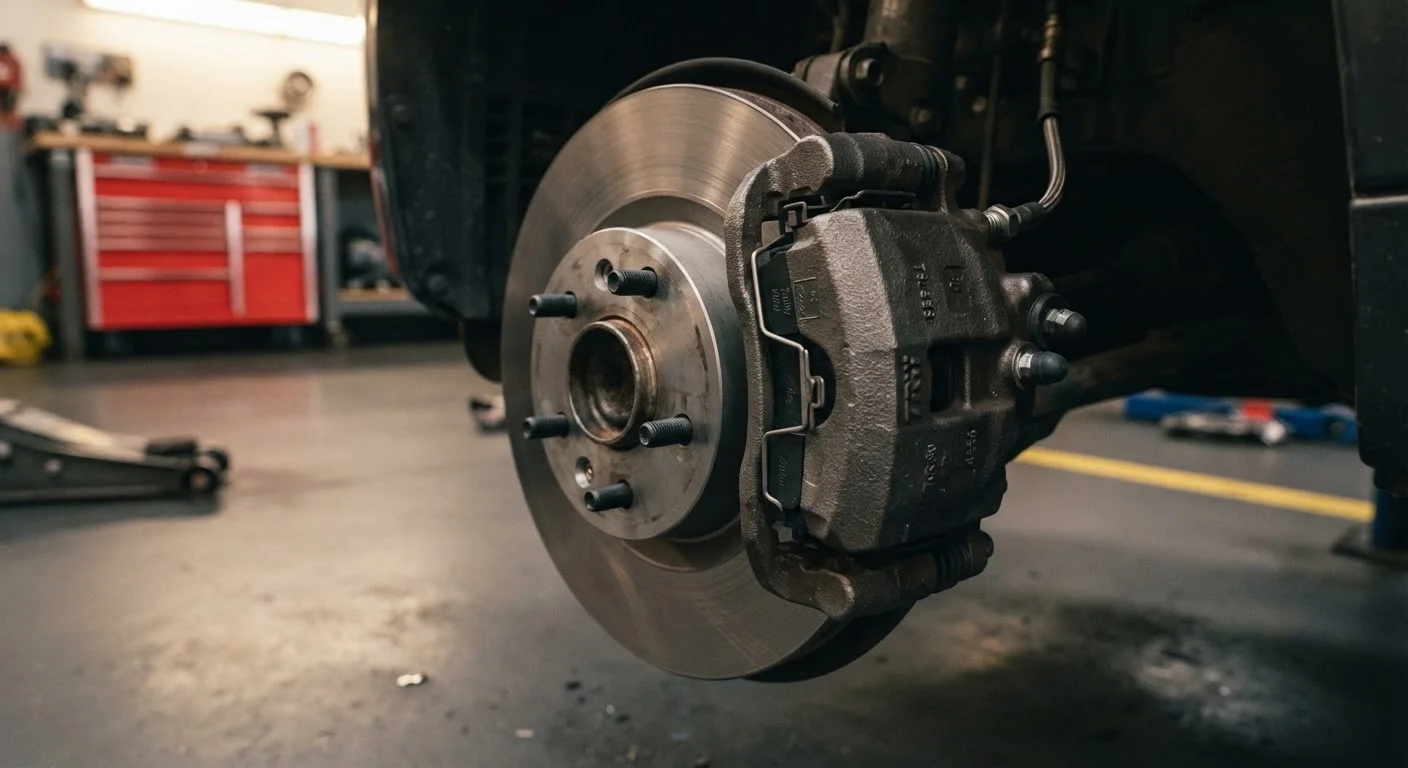
Proper braking performance depends on tire contact patch integrity - something worth reading about further in our article on getting the most life out of your brakes.
Temperature Changes and Why Seasonal Checks Are Non-Negotiable
Tire pressure isn't static - it responds to temperature. Air contracts when cold and expands when hot. The generally accepted rule is that tires lose approximately 1 PSI for every 10°F drop in temperature. A car that was properly inflated in September can be meaningfully under-inflated by January without a single slow leak.
This is why the dashboard TPMS (Tire Pressure Monitoring System) light often appears on cold mornings in fall and winter. The system is doing its job - but it's worth noting that TPMS typically only alerts you when pressure drops roughly 25% below the recommended level. That means you can be running notably low without triggering a warning.
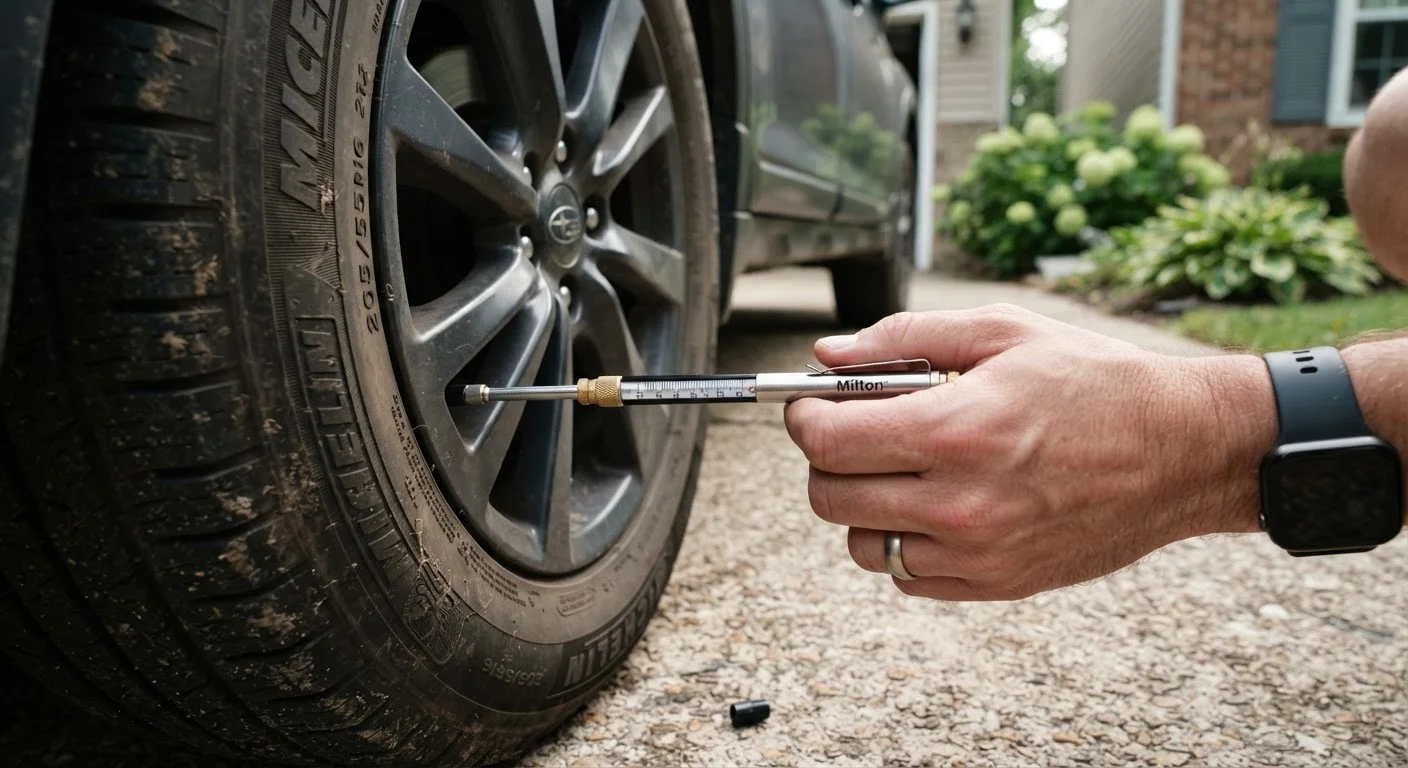
A simple, inexpensive tire pressure gauge remains the most reliable tool. Check all four tires - and the spare - when tires are cold, before you've driven more than a mile or two. Heat from driving artificially inflates readings.
Drivers who want a fuller picture of smart maintenance habits may also find value in common car maintenance myths debunked - several of the most persistent misconceptions touch on tires directly.