
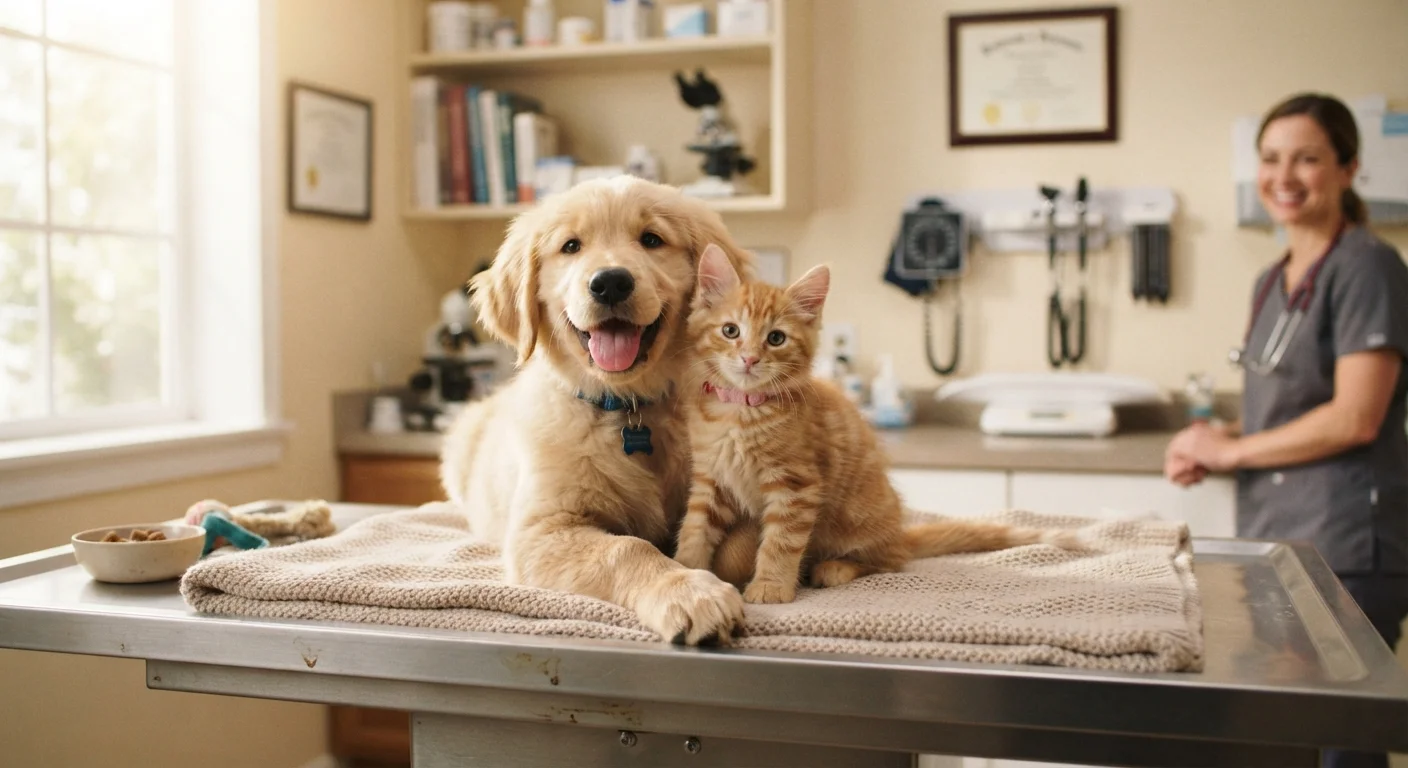
The First Veterinary Visit: What to Expect
Bringing a new pet home is exciting - and the first veterinary exam should happen as soon as possible, ideally within the first week. This visit does more than check your pet's immediate health. It establishes a baseline, confirms any prior vaccine history, and gives you a personalized roadmap for the year ahead.
Bring any records from the breeder, shelter, or rescue. Your vet will perform a full physical exam - weight, temperature, heart and lung sounds, skin, eyes, ears, and teeth. They'll discuss diet, lifestyle, and any breed-specific health concerns. Come prepared with questions: don't leave without understanding the recommended vaccine schedule and how to contact the clinic after hours.
Core vaccines
Vaccines recommended for virtually all pets of a given species because the diseases they prevent are widespread, serious, or transmissible to humans.
Body condition score
A standardized visual and physical scale vets use to assess whether a pet is underweight, at a healthy weight, or overweight, typically rated on a 5- or 9-point scale.
Socialization window
A specific developmental period early in a young animal's life when positive exposure to people, environments, and experiences has the greatest lasting impact on behavior.
AAFCO
The Association of American Feed Control Officials - the body that sets nutritional standards for pet food sold in the United States.
Microchip
A small electronic device implanted under a pet's skin that carries a unique ID number, allowing shelters and vets to identify and reunite lost pets with their owners.
Non-core vaccines
Optional vaccines recommended only for certain pets based on individual lifestyle factors, geographic location, or specific risk exposures.
For a broader picture of everything involved in early pet ownership, see The First-Time Pet Owner's Roadmap.
Vaccinations and Parasite Prevention
Vaccines protect your pet - and in some cases the people around them - from preventable diseases. Core vaccines are those recommended for virtually all pets of a given species, while non-core vaccines depend on your pet's lifestyle and geographic risk.
- Dogs: Core vaccines typically cover distemper, parvovirus, adenovirus, and rabies. Non-core options include Bordetella (kennel cough) and leptospirosis, depending on exposure risk.
- Cats: Core vaccines include FVRCP (feline herpesvirus, calicivirus, panleukopenia) and rabies. The feline leukemia virus (FeLV) vaccine may be recommended for cats with outdoor access.
Parasite prevention is equally important. Fleas, ticks, heartworm, and intestinal parasites are common across most of the US. Your vet will recommend a prevention protocol based on your region, your pet's lifestyle, and their age. Consistent monthly prevention is far less costly - financially and medically - than treating an active infestation or infection.
Stay on Schedule With a Written Record
Ask your vet to print or email a copy of your pet's vaccine and parasite prevention schedule at each visit. Keeping a dedicated folder - physical or digital - makes it easy to track what's due and share records with groomers, boarding facilities, or a new vet. Many clinics also offer reminder systems by text or email.
Spaying, Neutering, and Microchipping
Spaying (females) and neutering (males) are surgical procedures that prevent reproduction and offer documented health benefits, including reduced risk of certain cancers and infections. Timing recommendations vary. Cats are commonly spayed or neutered around five to six months. For dogs, the guidance has become more nuanced - your vet may recommend waiting longer for larger breeds, as hormones play a role in musculoskeletal development.
Microchipping is a quick, minimally invasive procedure that permanently identifies your pet with a unique ID number registered to you. It is one of the most reliable ways to reunite a lost pet with their owner. Many vets perform microchipping during the spay/neuter procedure, or at a routine wellness visit. Register the chip with a national database and keep your contact information current.
Microchip Registration Requires Action From You
A microchip is only as useful as the registration behind it. After the chip is implanted, you must register your contact details with a national pet microchip registry - this is a separate step from the implantation itself. If you move or change phone numbers, update your registration promptly so the chip can do its job.
Nutrition and Weight Management
What your pet eats in the first year shapes their health for decades. Choose a diet appropriate to their species, life stage (puppy/kitten formulas differ significantly from adult diets), and size. Look for products that meet the nutritional standards established by the Association of American Feed Control Officials (AAFCO).
Obesity is one of the most common - and preventable - health problems in pets. Overfeeding, even with healthy food, leads to excess weight that stresses joints, strains the heart, and shortens lifespan. Use the feeding guide on your pet's food as a starting point, and calibrate based on your vet's body condition scoring at each visit. Treats should make up no more than 10% of daily caloric intake.
Fresh water should always be available. For cats especially, adequate hydration helps prevent urinary tract issues - a species-specific concern worth discussing with your vet.
Behavioral Milestones and Socialization
The first year is a critical window for behavioral development. Puppies have a primary socialization period roughly between three and twelve weeks of age; kittens between two and seven weeks. Positive, low-stress exposure to different people, environments, sounds, and handling during these windows builds resilient, confident adult animals.
Basic training - sit, stay, recall, crate comfort - should begin early using reward-based methods. Consistency matters more than duration; short, frequent sessions produce better results than long, infrequent ones. If you notice signs of significant fear, aggression, or anxiety, consult a certified veterinary behaviorist or a credentialed trainer rather than waiting it out.
If you're considering adding another animal to the household, a careful introduction process matters enormously. See Introducing a Second Pet Into a Household Without Stressing Either Animal for vet-informed steps.
Planning Ahead: Costs and Emergency Readiness
The first year of pet ownership is typically the most financially intensive - vaccines, spay/neuter surgery, supplies, and unexpected health issues all converge. Understanding those costs in advance reduces stress and helps you make confident decisions. First-Year Pet Expenses: What to Expect When You're New to Ownership provides a clear breakdown of what to plan for.
Beyond the first year, ongoing care requires consistent attention. A structured routine makes it easier to stay on top of preventive tasks - use our Monthly Pet Care Checklist to build that habit. And since emergencies happen without warning, knowing your vet's after-hours protocol and having a basic emergency kit ready can make a genuine difference. Pet Emergency Preparedness: What to Have Ready Before a Crisis Hits walks through exactly what to keep on hand.
Monthly Pet Care Checklist
A structured monthly checklist covering feeding, grooming, parasite prevention, vet reminders, and enrichment - useful for building consistent care habits throughout the first year and beyond.
Financial Preparedness Checklist Before Getting a Pet
A practical checklist to confirm you've accounted for startup costs, recurring care expenses, and emergency funds - helpful for new owners evaluating their financial readiness.
Pet Emergency Preparedness Guide
Covers what every pet owner should have ready before a crisis - from power outages to sudden illness - including a checklist of supplies and key contacts to keep on hand.
This article provides general health and wellness information for educational purposes and is not a substitute for professional veterinary advice. Always consult a licensed veterinarian for guidance specific to your pet's health, species, and circumstances.