Why the Physical Environment Matters More Than You Think
Bringing a new pet home is one of the most disorienting experiences an animal can have. Their previous environment - whether a shelter, breeder's home, or foster - had familiar smells, sounds, and routines. Arriving somewhere entirely new strips all of that away at once. A poorly prepared space amplifies stress; a thoughtfully designed one shortens the adjustment period significantly.
Veterinary behaviorists consistently note that environmental stressors - excessive noise, temperature extremes, lack of a defined retreat - are among the leading contributors to anxiety-driven behaviors like hiding, house soiling, and aggression in newly adopted animals. Setting up the space correctly is not just about comfort; it directly affects your pet's physical and behavioral health in the first critical weeks.
Before you start, review your supplies and confirm you have what you need.
What you will need
If you haven't yet reviewed overall costs and startup supplies, the Financial Preparedness Checklist Before Getting a Pet is a useful companion resource.
Crate or Carrier
Provides a secure, enclosed den space that helps pets feel safe and reduces anxiety during the adjustment period.
Pet Bed or Blanket
Offers a comfortable, padded resting surface and retains familiar scent to comfort the animal.
Food and Water Bowls
Stainless steel or ceramic bowls are easy to sanitize and resist bacterial buildup.
Baby Gates or Exercise Pen
Limits the pet's access to the broader home while they adjust, reducing overwhelm and preventing hazard exposure.
Pet-Safe Cleaning Spray
Used to sanitize the space and eliminate chemical residues or scents from previous occupants or products.
Pheromone Diffuser
Releases synthetic calming pheromones (species-specific) that can ease anxiety during the first days in a new environment.
Step-by-Step: Building Your Pet's Space
Follow these steps before your pet arrives - ideally completing setup at least 24 hours in advance so any cleaning products have fully aired out and the space feels settled.
Choose the Right Location
Select a low-traffic area of your home - a quiet corner of a bedroom, a section of the living room away from the front door, or a dedicated spare room. Avoid placing your pet's space near appliances that cycle on and off loudly, such as washing machines or HVAC vents that blast air directly. New pets are highly attuned to noise and airflow, and constant disruption delays the settling-in process.
Pet-Proof the Area Thoroughly
Get down to your pet's eye level and scan for hazards: exposed electrical cords, small objects that can be swallowed, gaps behind furniture, and toxic houseplants. Common indoor plants such as pothos, lilies, and sago palm are highly toxic to dogs and cats. Secure loose cables with cord covers, remove accessible cleaning products, and block off any spaces the pet could become trapped in.
Set Up the Crate or Den Space
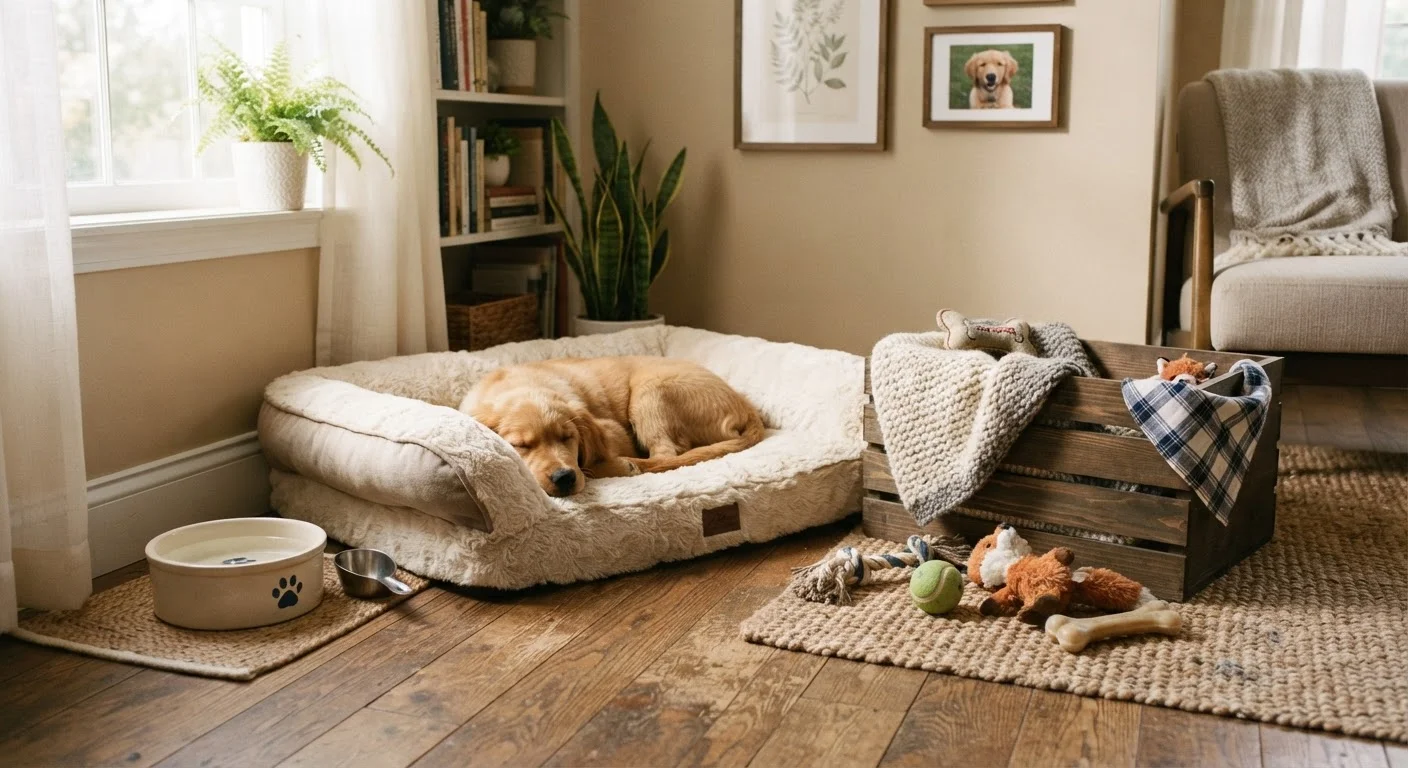
Place the crate with the door facing into the room rather than a wall, so the pet has a visual sightline but still feels enclosed and protected. Line it with a soft blanket - ideally one that carries the scent of the animal's previous environment (from the shelter or breeder) if available. Leave the door open initially so the pet can explore it at their own pace. Crate introductions should be gradual and positive.
Control Temperature and Lighting
Most companion animals are comfortable in the same temperature range as humans - roughly 65-75°F - but young animals, small breeds, and hairless species may need supplemental warmth. Avoid placing the pet's space in direct sunlight for extended periods, especially in summer, and ensure they cannot access space heaters. Natural, indirect light during the day and dim conditions at night support healthy sleep cycles.
Position Food, Water, and Elimination Areas
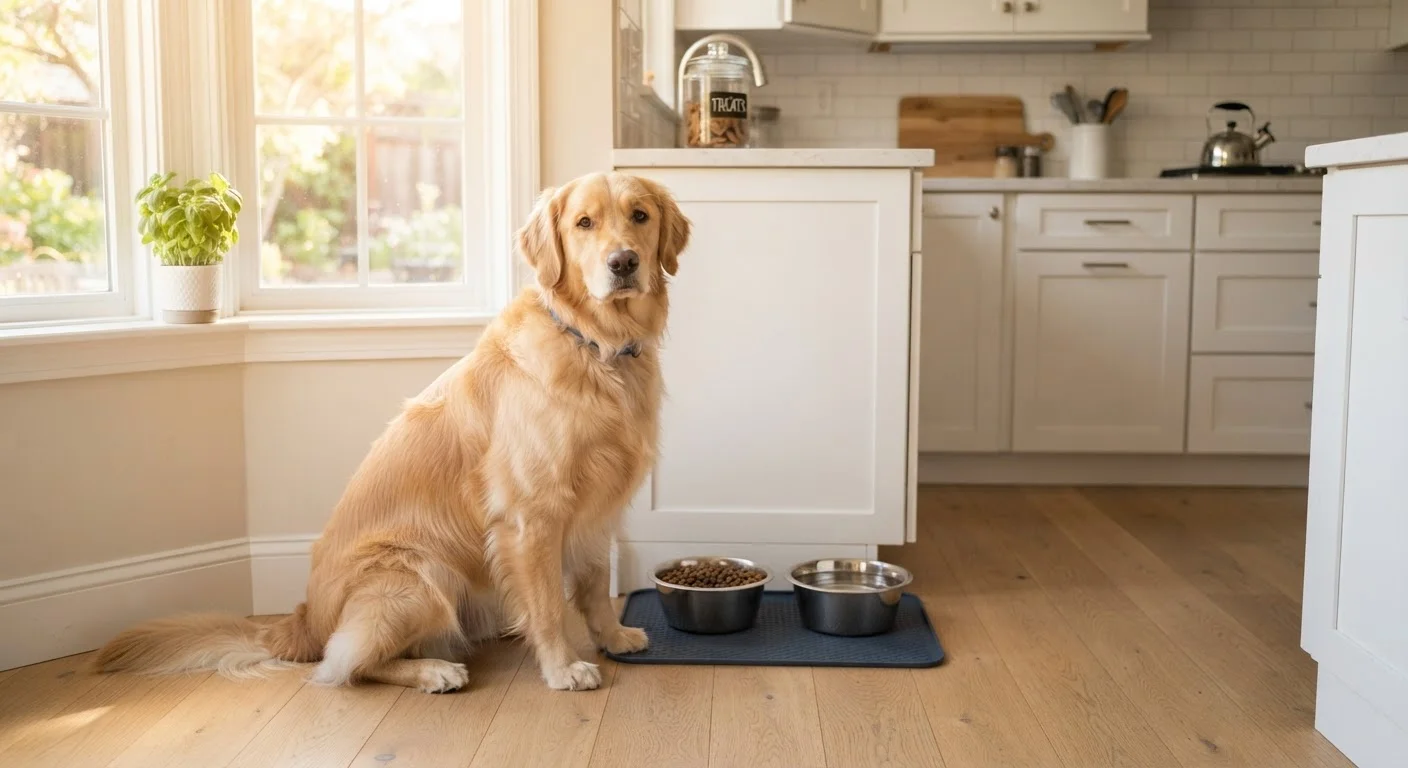
Place food and water bowls away from the sleeping area - most animals instinctively prefer not to eat directly where they rest. For cats, position the litter box in a private, low-traffic spot that is still accessible at all times. For dogs or small animals, designate a clear elimination zone early. Consistency in placement matters: moving these areas frequently can cause confusion and setbacks in housetraining.
Introduce the Space Before Giving Full Home Access
When your pet first arrives, confine them to their designated space rather than allowing free roam of the entire home. A new environment with too many rooms, smells, and stimuli can be overwhelming and trigger hiding, refusal to eat, or destructive behavior. Use baby gates or closed doors to keep the initial territory manageable. Expand access gradually over days or weeks as the pet shows signs of comfort and confidence.
Use Scent to Ease the Transition
Familiar scent is one of the most underused tools in new pet setup. If you can obtain a blanket or toy from your pet's previous environment, place it in the crate or sleeping area on arrival day. For cats especially, scent continuity can meaningfully reduce hiding and defensive behavior in the first 48 hours.
Once your pet is comfortable in their designated space, the next priority is establishing structure. Consistent daily routines are one of the most powerful tools for reducing ongoing anxiety - see Building a Daily Routine Your Pet Can Actually Rely On for a practical framework.
For a broader look at everything involved in the first weeks of ownership, the First-Time Pet Owner's Roadmap covers feeding, vet visits, and socialization in one place.
Common Mistakes That Undermine a New Pet's Sense of Security
Even well-intentioned owners make setup errors that set back their pet's adjustment. The most common include moving the sleeping area repeatedly in the first few weeks, over-handling the animal out of excitement before it has had time to decompress, and allowing young children or other pets unlimited access before the new animal has established a sense of territory.
Avoid Overwhelming the Pet Early On
The first 48-72 hours are a sensitive decompression period for most newly rehomed animals. Resist the urge to invite friends over, introduce other pets, or engage in prolonged handling sessions. Let the animal set the pace for interaction. Signs of stress - panting, hiding, refusal to eat, excessive vocalization - typically improve with calm, low-stimulation conditions.
Another frequent mistake is placing the pet's space in an isolated room with the door shut for long periods. While quiet is beneficial, total isolation from household sounds and smells can increase anxiety rather than reduce it. The goal is controlled exposure - present but not overwhelming.
If you are introducing a new pet into a home that already has animals, the physical setup becomes even more critical. See Introducing a Second Pet Into a Household Without Stressing Either Animal for guidance on managing that transition safely.
This article provides general pet care information for educational purposes. For guidance specific to your pet's health, behavior, or medical needs, consult a licensed veterinarian.