Why Predictable Expenses Still Catch People Off Guard
Car registration. Holiday gifts. Back-to-school supplies. These expenses are neither secret nor spontaneous - yet they drain bank accounts and push people toward credit cards every single year. The reason isn't a lack of awareness. It's a lack of preparation built into the budget itself.
Most monthly budgets account for rent, utilities, and groceries - fixed or near-fixed costs that repeat predictably. What they often miss are the irregular costs that hit once or twice a year, sometimes without a precise date in mind. When those bills land, the money simply isn't there. The result is either debt or a depleted emergency fund - and frequently both.
This is the exact problem a sinking fund is designed to solve. Rather than treating an annual expense as a surprise when it arrives, a sinking fund treats it as a line item spread across every month of the year. For more on which expenses tend to slip through the cracks, see our overview of spending categories most budgets overlook.
40%
Americans who can't cover a $400 emergency
According to Federal Reserve research on the economic well-being of U.S. households, roughly 4 in 10 adults report difficulty covering an unexpected $400 expense without borrowing or selling something.
$1,500+
Typical annual irregular household expenses
Common irregular costs - car registration, holiday gifts, annual subscriptions, and routine home maintenance - can collectively exceed $1,500 per year for many households, according to personal finance planning estimates.
12 months
Typical sinking fund planning horizon
Most annual household expenses can be fully funded with zero financial stress by dividing the total cost into 12 equal monthly contributions starting at the beginning of each year.
How a Sinking Fund Works in Practice
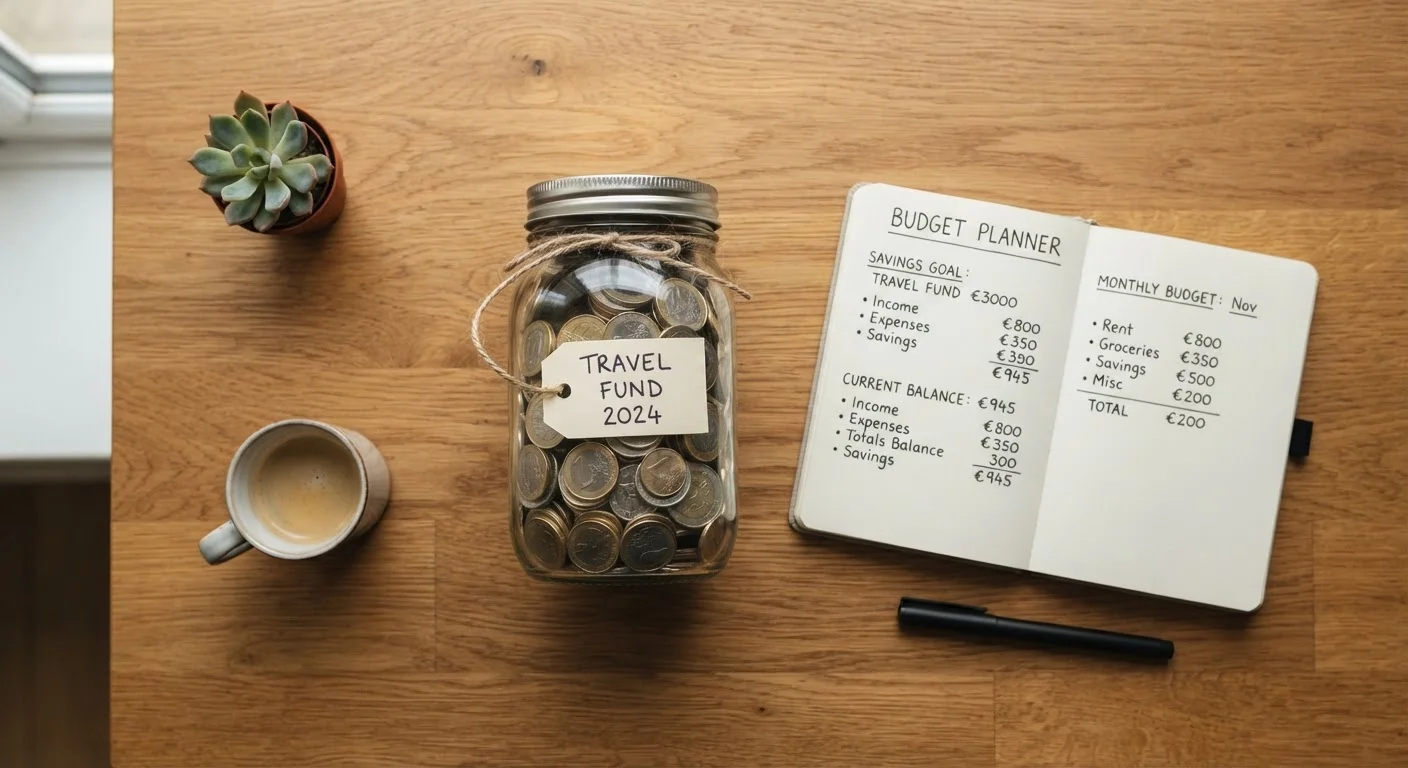
The mechanics are straightforward. Identify an upcoming expense, estimate its total cost, then divide by the number of months before you need it. That quotient becomes your monthly savings target for that specific fund.
Suppose your car insurance renews in six months with a $900 premium. Setting aside $150 a month starting today means the full amount is ready when the bill arrives - no scrambling, no borrowing. The same logic applies to a vacation, a new laptop, or a home repair fund.
Name Each Fund for Its Purpose
Label your sinking funds specifically - 'car registration,' 'holiday gifts,' 'home repairs' - rather than grouping them under a generic 'savings' label. Named funds are easier to manage, harder to accidentally spend, and give you a clear sense of progress toward each goal.
You can run several sinking funds at the same time, each with its own monthly contribution built into your budget. Some digital banks allow you to create labeled sub-accounts or savings envelopes, making it easy to keep funds visually and practically separated. Others prefer a simple spreadsheet that tracks balances by category within one savings account - either approach works as long as it's consistent.
The key distinction from general saving is intentionality. Each dollar in a sinking fund has a named destination and a target date, which makes the savings feel purposeful rather than abstract.
Sinking Funds vs. Emergency Funds: Understanding the Difference
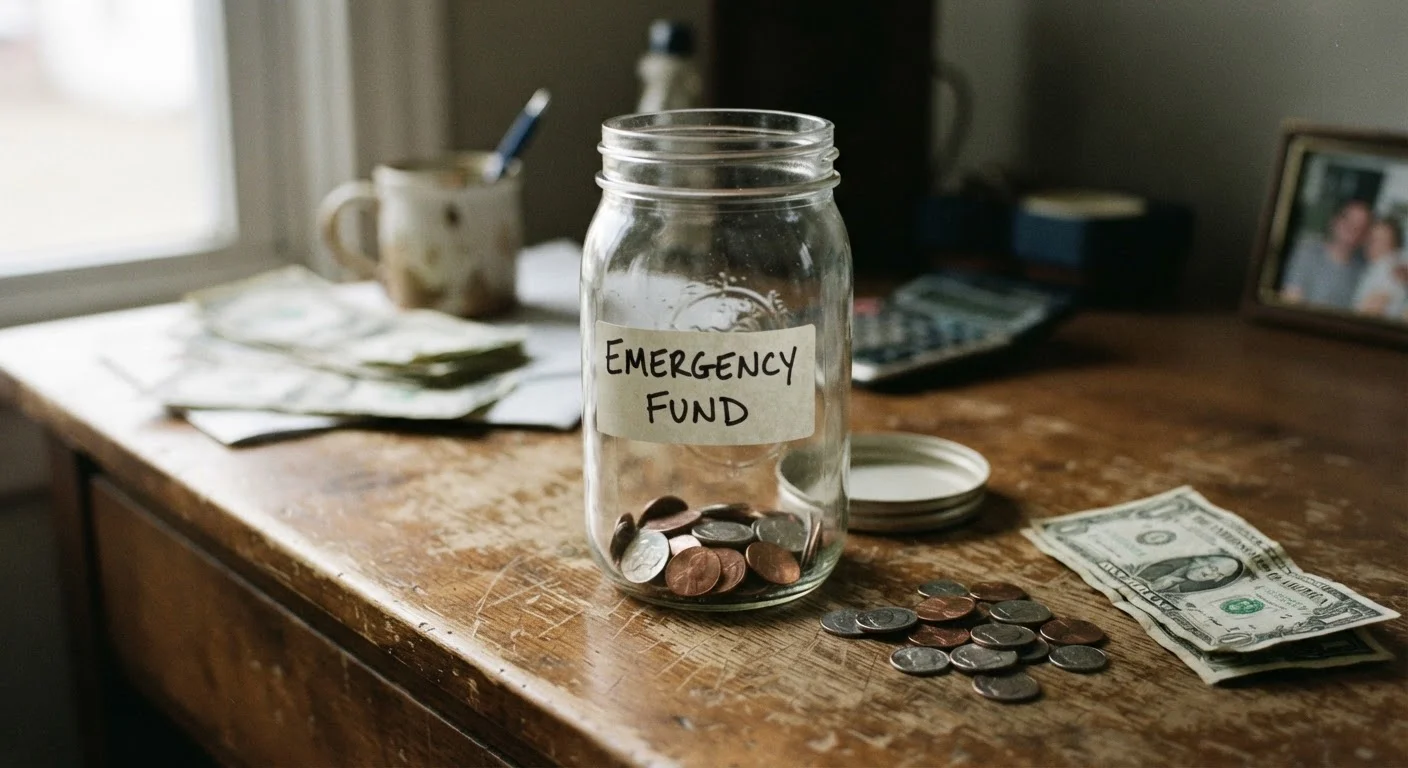
A common point of confusion is treating sinking funds and emergency funds as interchangeable. They serve very different roles, and conflating them is one reason emergency funds often get drained before they can grow.
An emergency fund exists for genuine, unforeseen disruptions - a sudden job loss, an unexpected medical bill, a major car breakdown with no prior warning. It's a financial firewall against the truly unpredictable. A sinking fund, by contrast, handles costs that are predictable in nature, even if the exact timing varies slightly. Annual vet visits, property tax installments, and holiday spending all belong in sinking funds, not your emergency reserve.
When these two tools operate separately, the emergency fund stays intact for actual emergencies. Our related article on why emergency funds keep getting raided explores this dynamic in depth - and sinking funds are often the missing structural piece.
“A budget is telling your money where to go instead of wondering where it went. Sinking funds are how you tell it where to go months in advance.”
— Dave Ramsey, Personal finance author and radio host
Getting Started: Building Sinking Funds While Managing Debt
One practical concern people raise is whether it makes sense to build sinking funds while still carrying debt. The general answer is yes - with some nuance. Ignoring predictable future expenses doesn't eliminate them; it just means you'll likely put them on a credit card when they arrive, adding to the debt load you're already trying to reduce.
Even a modest sinking fund contribution - say, $20 to $30 a month per category - can prevent irregular expenses from becoming new debt. That consistency compounds over time: twelve months of small contributions toward holiday spending, home maintenance, or vehicle costs can fully fund those categories without derailing debt payoff momentum.
If you're starting from zero and building both an emergency fund and sinking funds simultaneously, prioritize by risk. A starter emergency fund of even $500-$1,000 provides an immediate buffer, after which you can layer in sinking funds for your most pressing upcoming expenses.
For a broader strategy on building a budget that can withstand irregular costs, see our guide on building a budget that survives an unexpected expense.
This article is for general informational purposes only and does not constitute personalized financial advice. Consult a qualified financial professional for guidance tailored to your specific situation.