
Why Valuation Method Is the Coverage Detail Most People Overlook
When insuring a valuable item - a piece of jewelry, a classic car, a vintage guitar - most people focus on getting enough coverage. But the dollar amount listed on your policy isn't the only variable that matters. How that amount is ultimately paid out can be just as important, and two terms define those very different approaches: agreed value and stated value.
These phrases appear across specialty insurance policies, collector vehicle coverage, and scheduled personal property endorsements. On the surface they sound nearly identical. In practice, they determine whether you receive exactly what you expected - or considerably less. Understanding the distinction belongs alongside other foundational policy literacy, such as knowing the difference between actual cash value and replacement cost.
This is general insurance education, not advice tailored to your specific policy. Coverage terms vary by insurer and state. Always read your policy documents carefully and consult a licensed insurance professional before making coverage decisions.
Agreed Value: A Guarantee Written Into the Policy
Agreed value (sometimes called guaranteed value) means the insurer and the policyholder agree - before the policy is issued - on exactly what the insured item is worth. That agreed amount is documented in the policy. If a covered total loss occurs, the insurer pays that amount in full, with no depreciation deducted and no further negotiation at claim time.
This arrangement typically requires a formal appraisal conducted by a qualified professional. The insurer reviews the appraisal, both parties sign off on the valuation, and that figure becomes binding. Because the payout is predetermined, there is no ambiguity when you file a claim for a total loss.
Agreed value coverage is common for:
- Fine art and antiques
- Jewelry and gemstones
- Rare collectibles and memorabilia
- Classic and collector automobiles
- Musical instruments of historical or significant market value
Keep Appraisals Current
Because agreed value locks in the payout, it's especially well-suited to items that appreciate over time. An appraisal should be updated periodically - often every two to three years - to keep the agreed amount aligned with current market value. If the item's value has risen substantially, an outdated appraisal could leave you underinsured even with an agreed value policy.
Because agreed value locks in the payout, it's especially well-suited to items that appreciate over time. An appraisal should be updated periodically - often every two to three years - to keep the agreed amount aligned with current market value.
Stated Value: A Declaration With an Important Asterisk
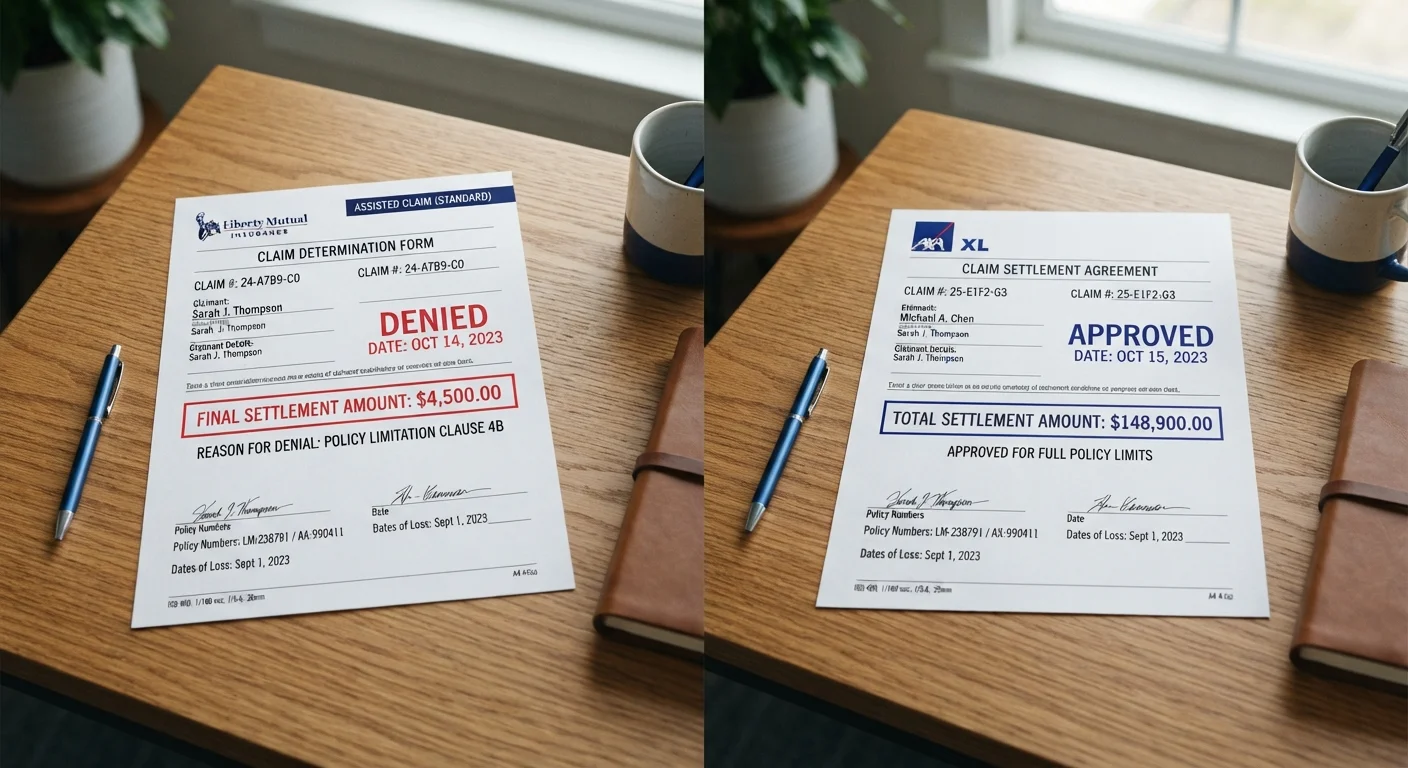
Stated value works differently, and the distinction is easy to miss in policy language. With stated value coverage, the policyholder declares what an item is worth - and that figure is used to calculate the premium. However, it does not guarantee that amount will be paid at claim time.
Most stated value policies include language allowing the insurer to pay the lower of: (a) the stated amount, or (b) the item's actual cash value (ACV) at the time of the loss - meaning fair market value after depreciation. This gives the insurer flexibility to reduce the payout if the item has declined in value since the policy was written.
Stated Value Does Not Mean Guaranteed Value
The practical risk: a policyholder who declared a vehicle or item at $40,000 may receive significantly less if the insurer determines the ACV at the time of loss was only $28,000. Understanding how depreciation affects actual cash value calculations is essential when evaluating a stated value policy. Do not assume the amount you declared is the amount you will receive.
The practical risk: a policyholder who declared a vehicle or item at $40,000 may receive significantly less if the insurer determines the ACV at the time of loss was only $28,000. Understanding how depreciation affects actual cash value calculations is essential when evaluating a stated value policy.
Side-by-Side: How the Two Methods Compare
The table below summarizes the key differences between agreed value and stated value coverage across the criteria that matter most when insuring high-value personal property.
| Agreed Value | Stated Value | |
|---|---|---|
| Payout at total loss | Full agreed amount, guaranteed | Lower of stated amount or ACV |
| Depreciation applied | No - payout is fixed | Yes - ACV deducted at claim time |
| Upfront appraisal required | Typically yes | Usually not required |
| Premium cost | Generally higher | Generally lower |
| Payout certainty | High - no surprises at claim time | Variable - insurer has discretion |
| Best suited for | Appreciating or irreplaceable items | Depreciating or lower-stakes items |
| Common policy types | Fine art, jewelry, classic autos | Standard vehicles, personal property |
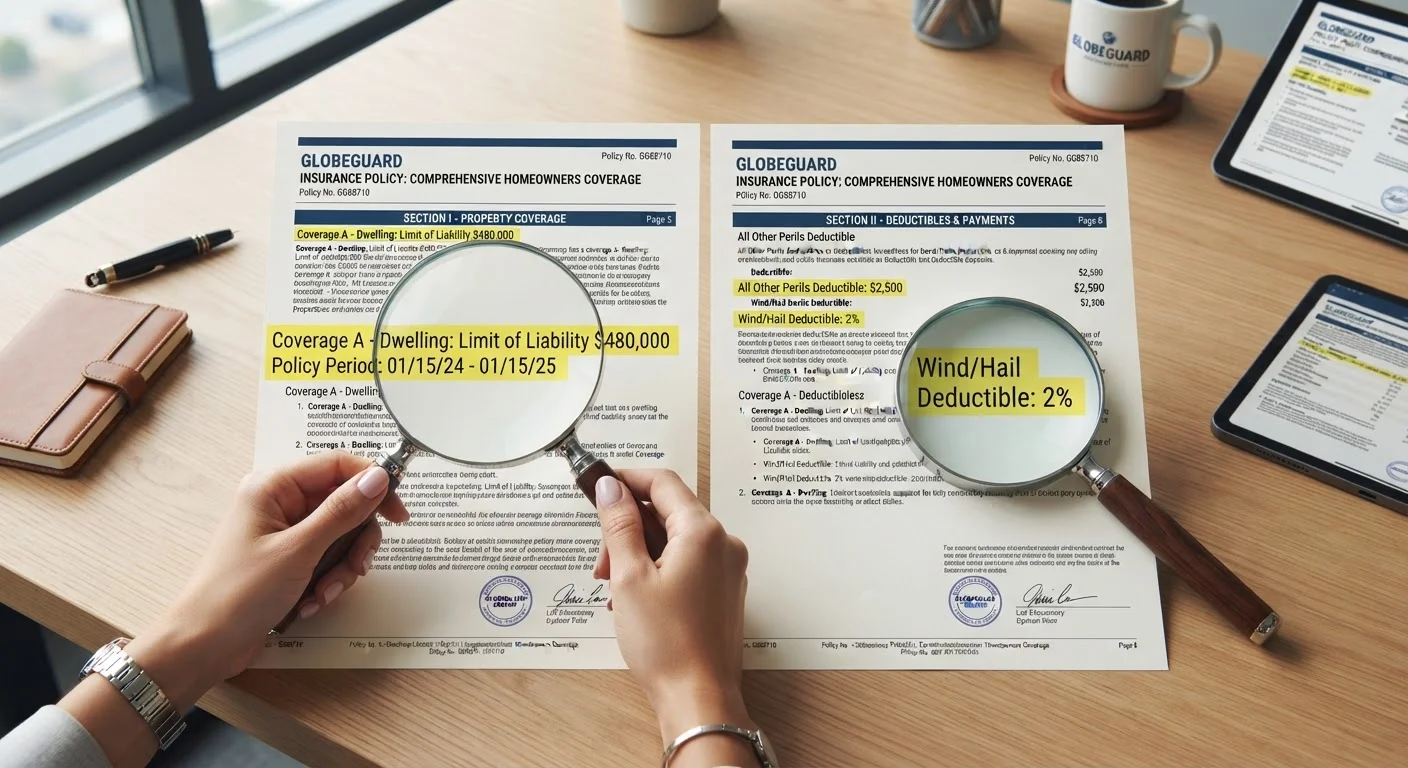
As with any policy limit or coverage limit, what appears on your declarations page is not always the ceiling for what you'll receive - the valuation method determines how that number is applied. Review your policy's definitions section carefully, and confirm which method applies before a loss occurs.
Practical Steps for Policyholders Insuring Valuables
Regardless of which valuation method your policy uses, strong documentation protects your claim. Keep the following on file and stored securely (including a digital backup):
- Professional appraisals - updated regularly, especially for items that fluctuate in market value
- Original purchase receipts or auction records
- Photographs or video showing the item's condition and identifying features
- Certificates of authenticity where applicable
Also review how policy conditions affect claim payouts - fulfilling your obligations as a policyholder (such as timely reporting and proper documentation) is just as critical as having the right valuation method. For context on broader coverage structures, see the Insurance Types hub.
This article is for general informational and educational purposes only and does not constitute insurance, financial, or legal advice. Coverage terms, definitions, and availability vary by insurer, policy, and state. Always read your full policy documents and consult a licensed insurance professional for guidance specific to your situation.