What Policy Conditions Actually Are
Every insurance policy is a contract, and like any contract, it comes with obligations. Those obligations are called conditions. They appear in a dedicated section of your policy and spell out what each party - you and your insurer - must do for coverage to function properly.
Conditions differ from coverage grants (which describe what is covered) and exclusions (which describe what is not). Instead, conditions govern how the coverage relationship works. They address things like how quickly you must report a loss, what records you must maintain, and how disputes get resolved. For a broader glossary of claims terminology, see common claims terms explained.
Conditions Bind Both Parties
It's easy to think of conditions as obligations placed only on you, the policyholder. But insurers also carry conditions - such as timely claim acknowledgment, good-faith investigation, and prompt payment once a claim is resolved. State insurance regulations typically enforce these insurer obligations, and regulators can penalize carriers for bad-faith claims handling.
Common Conditions Policyholders Must Meet
While conditions vary by policy and insurer, several appear across most standard insurance contracts:
- Prompt notice of loss: You must report a covered event to your insurer within a reasonable time. Policies often say "as soon as practicable" or specify a number of days.
- Cooperation clause: You must cooperate with the insurer's investigation - providing documents, submitting to examination under oath if requested, and not obstructing the claims process.
- Proof of loss: Many policies require you to submit a formal, signed statement detailing the loss within a set period.
- Protection of property: After a loss, you are typically required to take reasonable steps to prevent further damage. For example, boarding up a broken window after a storm.
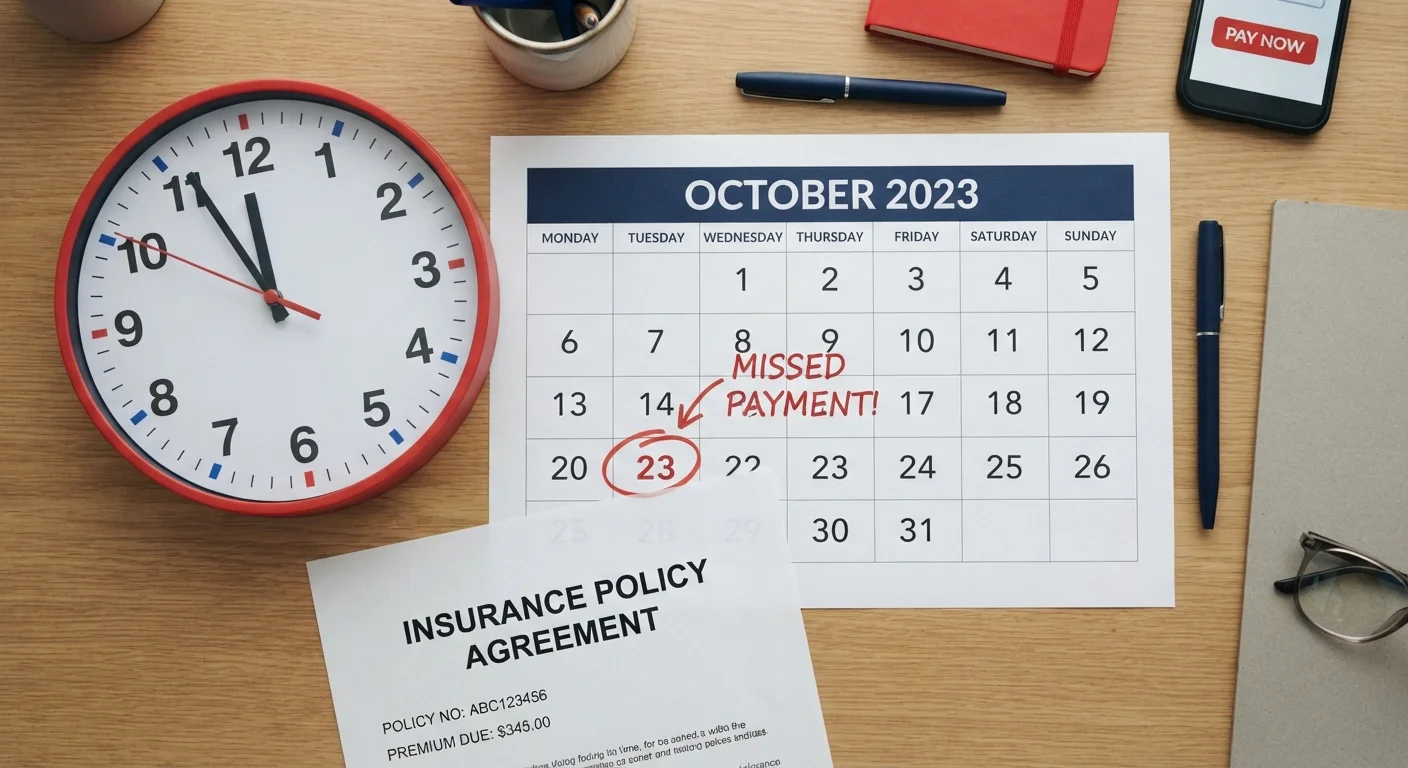
- Premium payment: Coverage depends on your premiums being current. Understanding grace periods and lapses is essential to keeping your coverage intact.
Document Everything After a Loss
As soon as a loss occurs, photograph or video the damage before making any repairs. Keep copies of all communications with your insurer, and retain receipts for any emergency expenses. This documentation directly supports the proof-of-loss and cooperation conditions in most policies.
What Happens When a Condition Is Violated
Failing to meet a policy condition can have serious consequences - even when the cause of your loss is clearly covered. The most common outcomes are:
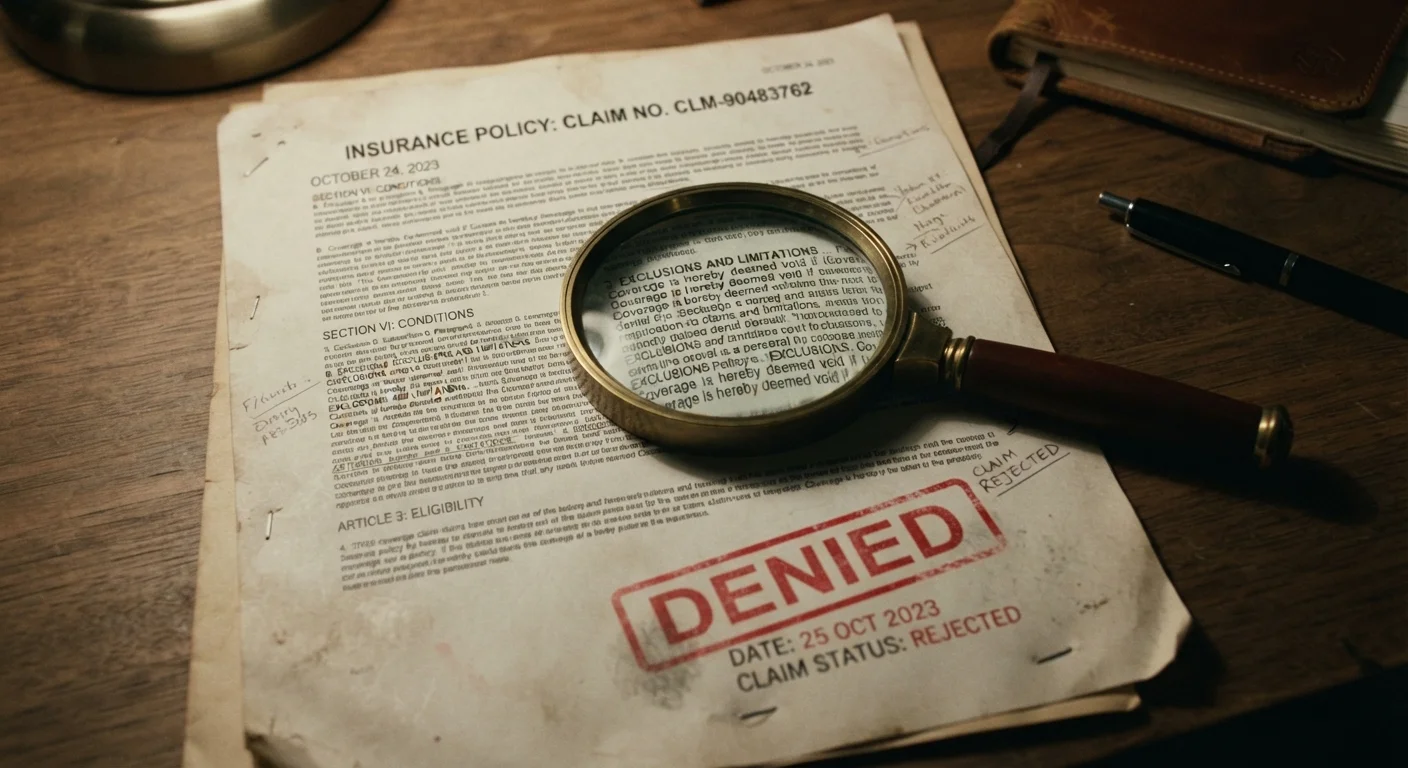
- Claim denial: The insurer may refuse to pay the claim entirely if your failure to meet a condition materially affected its ability to handle the claim.
- Reduced payout: In some cases, the insurer may pay a portion of the claim but reduce it to reflect the prejudice caused by the breach.
- Coverage rescission: For severe violations - such as misrepresentation or fraud - the insurer may void the policy retroactively.
State law plays a significant role here. Many states require that an insurer demonstrate actual harm from a condition breach before it can deny a claim. The specifics depend on your jurisdiction and your policy language. For a deeper look at why claims get denied, see why insurance claims get denied.
1 in 7
Homeowners claims that face disputes or complications
Industry research suggests a significant share of property claims involve documentation or procedural issues that delay or reduce payment.
30 days
Typical proof-of-loss deadline in many policies
Many standard homeowners and commercial property policies require a signed proof-of-loss statement within 30 to 60 days of the loss, though this varies by policy.
Reading Your Policy Before You Need It
Most policyholders encounter conditions language for the first time during a claim - which is exactly the wrong moment. Understanding your obligations in advance makes a meaningful difference in how smoothly a claim proceeds.
Before filing, it helps to locate the conditions section of your policy and review what you are expected to do after a loss. Our guide on what to verify in your policy before filing walks through the key sections to review. If you haven't read your policy closely yet, key policy terms to confirm in writing is a useful starting point.
Conditions are also worth understanding alongside coverage gaps that policyholders often discover too late. Together, these two areas - what is excluded and what conditions must be met - define the real boundaries of your protection.
This article is for general informational and educational purposes only and does not constitute personalized insurance, legal, or financial advice. Coverage terms, conditions, and regulations vary by policy and state. Always read your actual policy documents and consult a licensed insurance professional for guidance specific to your situation.