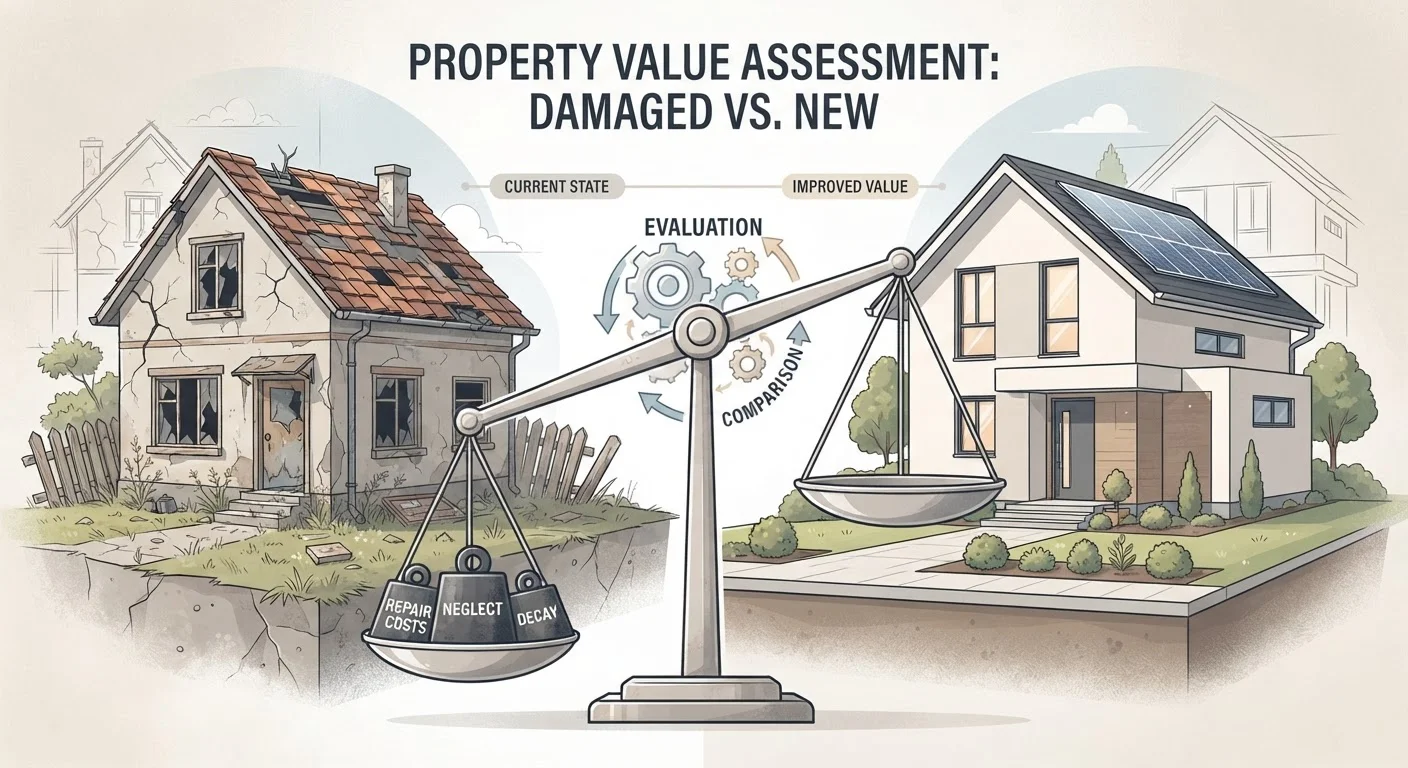
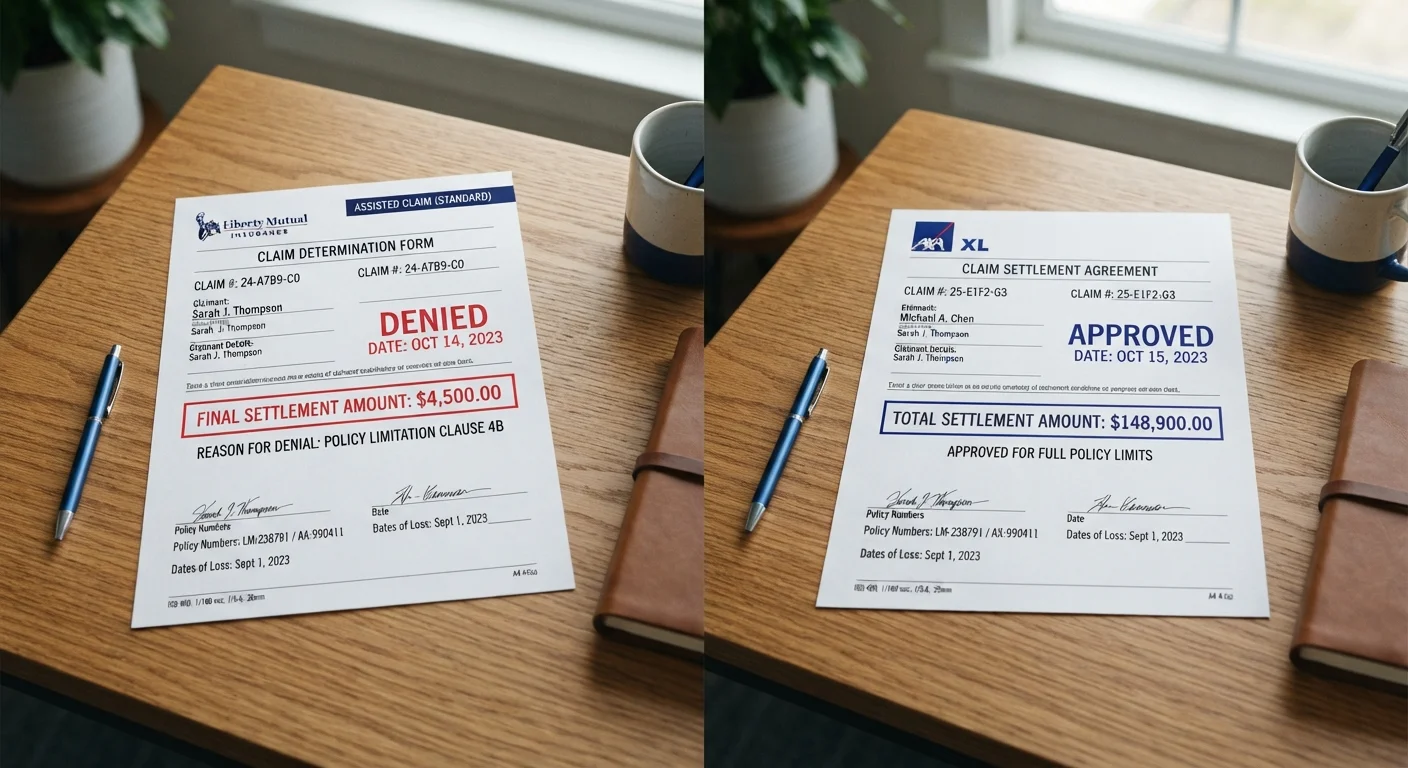
What These Two Terms Actually Mean
When you file a property insurance claim - whether for a damaged roof, stolen electronics, or water-ruined furniture - your insurer doesn't automatically write a check for whatever you paid originally. The amount they pay depends on the valuation method written into your policy. The two most common methods are Actual Cash Value (ACV) and Replacement Cost Value (RCV), and they can produce very different payout figures for the exact same loss.
Actual Cash Value is calculated by taking the replacement cost of an item and subtracting depreciation - the reduction in value that occurs over time due to age, wear, and obsolescence. If your five-year-old laptop is stolen, the insurer estimates what a new equivalent laptop costs today, then subtracts an amount that reflects five years of use. You receive the depreciated figure, not the full replacement price.
Replacement Cost Value, by contrast, pays the amount needed to purchase a new item of like kind and quality at today's prices - without any depreciation deduction. Using the same laptop example, RCV would pay the current retail price of a comparable new model. That difference in a single claim might seem modest, but across a house full of belongings or a major structural repair, it can run into the tens of thousands of dollars.
For a deeper look at how depreciation changes the math on property claims, see how ACV and RCV affect your payout.
Side-by-Side: How the Numbers Compare
To make the distinction concrete, consider a homeowner whose 10-year-old central air conditioning unit fails due to a covered event. The unit costs $4,500 to replace with a new equivalent model today.
| Criterion | Actual Cash Value (ACV) | Replacement Cost Value (RCV) |
|---|---|---|
| Depreciation deducted? | Yes - payout reduced by depreciation | No - full replacement cost paid |
| Payout amount | Lower - reflects current market value | Higher - reflects cost of new equivalent |
| Premium cost | Generally lower | Generally higher |
| Out-of-pocket gap after loss | Potentially significant | Minimal to none (above deductible) |
| Best suited for | Budget-conscious; low-value property | Homeowners; high-value belongings |
| Claim complexity | Simpler single payout | May involve depreciation holdback release |
Under ACV, the insurer might determine that a central AC unit has a useful life of 15 years and has therefore depreciated by two-thirds of its value. The payout would be roughly $1,500 - leaving the homeowner to cover the remaining $3,000 out of pocket. Under RCV, the insurer pays the full $4,500 (minus the applicable deductible), and the homeowner replaces the unit without a significant financial shortfall.
This gap is why reading your declarations page carefully matters. The valuation method is typically listed there, and it governs every personal property and structural coverage section of your policy. Insurance terms that look similar but mean very different things explains other policy language pairs that carry similarly high stakes.
~67%
Potential depreciation on a 10-year-old item
A standard straight-line depreciation schedule on a 15-year useful-life item leaves only about one-third of replacement value after 10 years, illustrating how significantly ACV payouts can shrink.
Thousands
Typical dollar gap between ACV and RCV on home claims
Industry educators consistently note that the difference between an ACV and RCV payout on major structural components like roofing can run into tens of thousands of dollars for older homes.
Trade-Offs: Premium Cost vs. Payout Protection
RCV coverage offers a larger safety net, but it comes at a cost. Because the insurer takes on greater financial exposure - agreeing to pay full replacement prices regardless of depreciation - RCV policies carry higher premiums than otherwise comparable ACV policies. The premium difference varies by insurer and property type, but it is a real and consistent trade-off.
ACV policies are not inherently inferior; they are a deliberate choice that makes sense in certain situations. A renter with modest personal property, or a property owner who maintains a dedicated emergency fund, may reasonably decide the premium savings outweigh the depreciation risk. The key is making that decision consciously, with full awareness of what an ACV policy will actually pay if a loss occurs.
It is also worth noting that some RCV policies include a two-step claim process: the insurer first pays the ACV amount, then releases the remaining depreciation holdback once the policyholder documents that replacement has been completed. Understanding this timing matters for cash-flow planning after a loss.
Coverage limits interact with both valuation methods - a high replacement cost payout is only useful if your policy limit is sufficient to cover it. See policy limit vs. coverage limit for how those figures work together.
For high-value or unique items, neither ACV nor RCV may be the most appropriate method. Agreed value vs. stated value coverage explains valuation alternatives designed for collectibles, jewelry, and other hard-to-replace property.
Check Your Declarations Page First
Your policy's declarations page - the summary document issued at the start of each policy term - will state which valuation method applies to your dwelling coverage and your personal property coverage. These two sections can sometimes carry different methods within the same policy. If the language is unclear, ask your insurer or agent to confirm in writing which method governs each coverage type before a loss occurs, not after.
This article is for general informational and educational purposes only and does not constitute personalized insurance, financial, or legal advice. Coverage terms, valuation methods, exclusions, and eligibility vary by insurer and state. Always read your actual policy documents and consult a licensed insurance agent or adviser for guidance specific to your situation.