Why Subscription Creep Happens
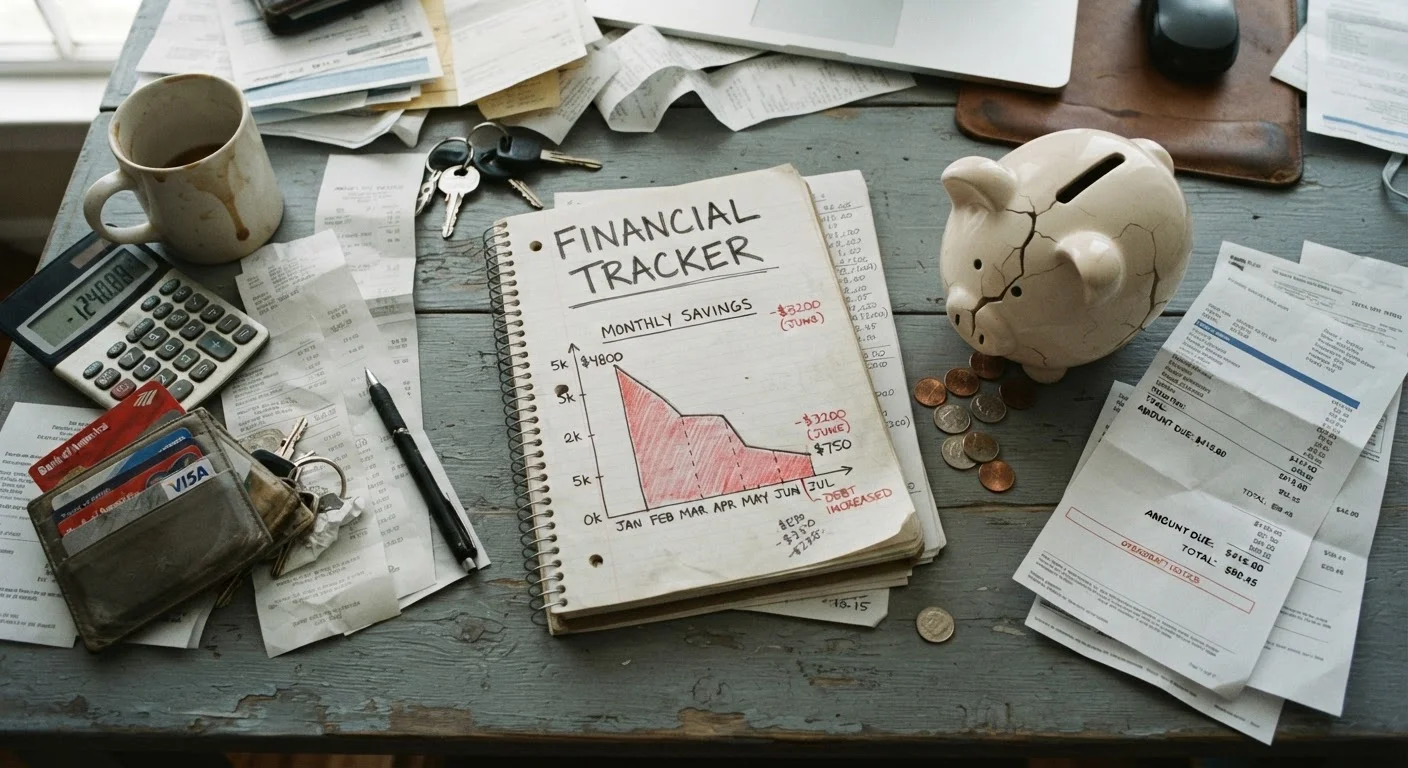
Subscription services are designed to be frictionless - easy to start, easy to forget, and deliberately inconvenient to cancel. A free trial here, a discounted annual plan there, and a streaming add-on bundled into another service all accumulate quietly in the background. Because each charge is small in isolation, none of them triggers the mental alarm that a large one-time purchase would.
This pattern has a name: subscription creep. It describes the gradual accumulation of recurring charges that individually feel trivial but collectively represent a meaningful slice of monthly spending. Financial educators often categorize these as spending leaks - costs that erode savings goals without any single obvious culprit.
The mechanics that enable creep include:
- Free trials with auto-conversion - subscriptions that activate paid billing automatically unless explicitly canceled.
- Annual billing - charges that appear once a year and are easy to forget between cycles.
- Bundled upsells - premium tiers or add-ons appended during sign-up with a pre-checked box.
- Dormant accounts - services you stopped using but never formally canceled.
Understanding these mechanics is the first step toward dismantling them. The categories most budgets overlook - including annual subscriptions - are often the same ones that silently derail monthly plans.
How to Audit and Manage Your Subscriptions
The steps below walk you through a complete subscription audit - from surfacing every active charge to building a system that prevents creep from returning. No special tools are required, though a spreadsheet helps.
What you will need
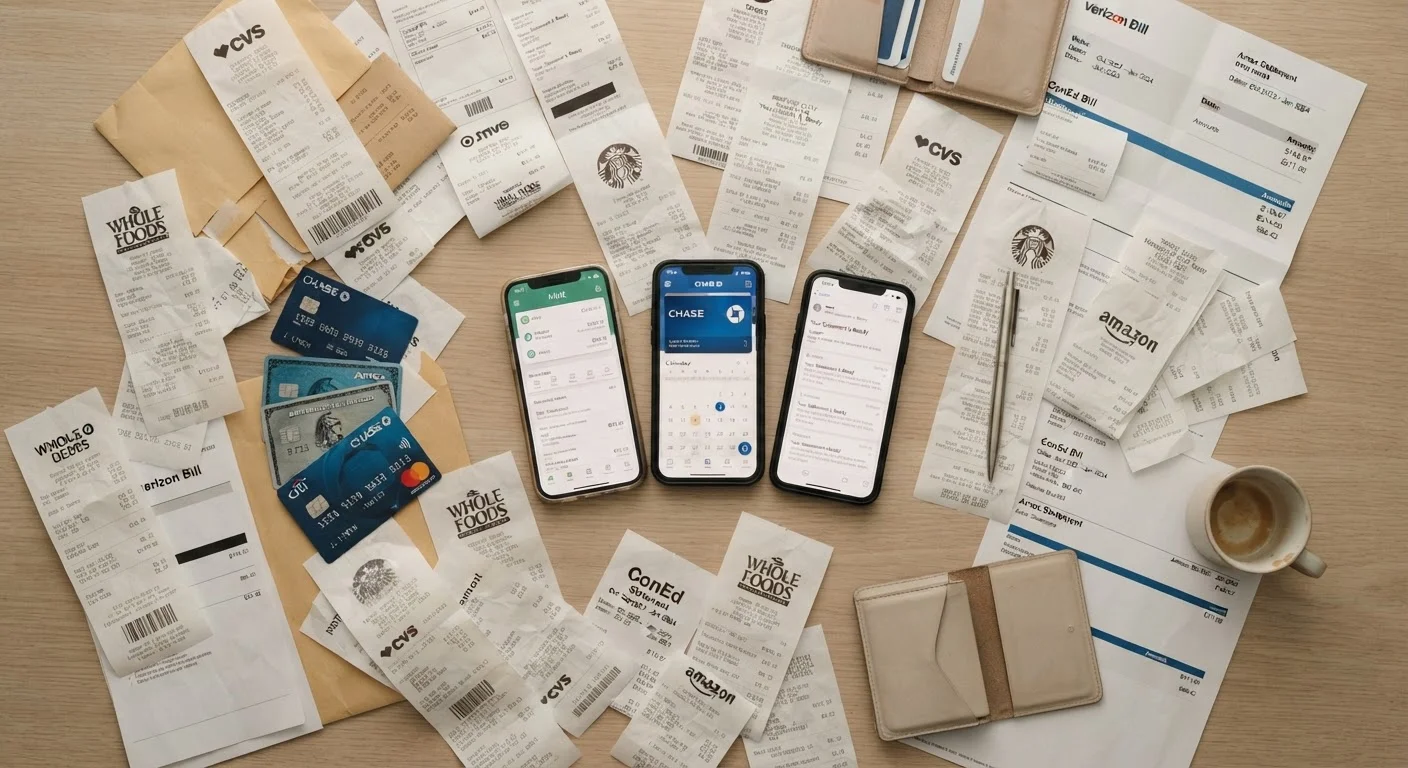
Pull Every Recent Statement
Download or review your last two to three months of bank and credit card statements. Look at every recurring line item - anything that repeats at weekly, monthly, or annual intervals. Don't rely on memory; the point of this step is to let the data surface charges you've forgotten.
List Every Active Subscription
Create a simple table with four columns: Service name, Monthly cost, Billing date, and Last used. Fill in one row per subscription. For annual plans, convert to a monthly equivalent by dividing the annual charge by 12 so you can compare everything on the same scale.
Categorize by Value
Mark each subscription in one of three categories: Active and worth it (you use it regularly and the cost feels justified), Active but questionable (you use it occasionally or the cost has crept up), or Dormant or forgotten (you cannot recall the last time you used it). Be honest - the goal is to separate genuine value from inertia.
Cancel Dormant Subscriptions First
Start with the easiest wins: anything you cannot remember using. Navigate directly to the service's account settings and locate the cancellation option - do not simply delete the app, as the subscription continues billing independently. Confirm the cancellation and save the confirmation email.
Evaluate Overlapping Services
Check whether any of your active subscriptions serve the same purpose - multiple streaming platforms with overlapping content libraries, two cloud storage accounts, or redundant news subscriptions are common examples. Choose one and cancel the rest, or downgrade to a lower tier if your actual usage doesn't require premium access.
Set Renewal Reminders for What You Keep
For every subscription you decide to retain, add a calendar reminder two weeks before its next renewal date. This gives you time to reassess before the charge posts, especially for annual plans where your needs may have changed since the last cycle. A simple recurring reminder prevents passive renewal from becoming the default.
One Card, One Place to Look
Routing all subscriptions through a single payment method - ideally one credit card - makes future audits much faster. You eliminate the need to cross-reference multiple accounts and can spot new recurring charges at a glance when reviewing monthly statements.
Don't Confuse Unfamiliar Charges With Fraud
Parent company names, regional billing entities, and payment processors often appear on statements instead of the brand you recognize. Always search the exact descriptor online before disputing a charge - disputing a legitimate subscription as fraud can complicate the cancellation process and may affect your account standing.
Staying Ahead of Subscription Creep Long-Term
A one-time audit solves today's problem, but subscription creep tends to rebuild unless you maintain a light ongoing system. A quarterly check - 15 minutes reviewing your bank and card statements - is usually sufficient for most households. Treat it the same way you would reviewing any other budgeting basics habit: small and consistent beats occasional and thorough.
A few durable habits reduce future accumulation:
- Use a single credit card for all subscription charges so they appear in one place.
- Before signing up for a trial, add a calendar event two days before the trial ends as a cancellation reminder.
- When a service raises its price, treat that moment as a deliberate re-evaluation, not a passive acceptance.
Subscription management is one piece of a broader picture. Spending traps like bundled pricing and tiered plans use similar psychological patterns, and recognizing them across different purchase contexts sharpens your overall consumer awareness. If you have pets, note that recurring pet costs often follow the same creep pattern - auto-ship deliveries and wellness plan renewals deserve the same scrutiny.
This article is for general informational purposes only and does not constitute financial or legal advice. For guidance specific to your situation, consult a qualified financial professional.