
Why Anxiety Is So Widely Misunderstood
Anxiety is one of the most common mental health experiences in the United States, yet it remains deeply misunderstood - even by people who live with it every day. Misconceptions circulate in workplaces, families, and online conversations, and they carry real consequences: delayed treatment, unnecessary shame, and isolation.
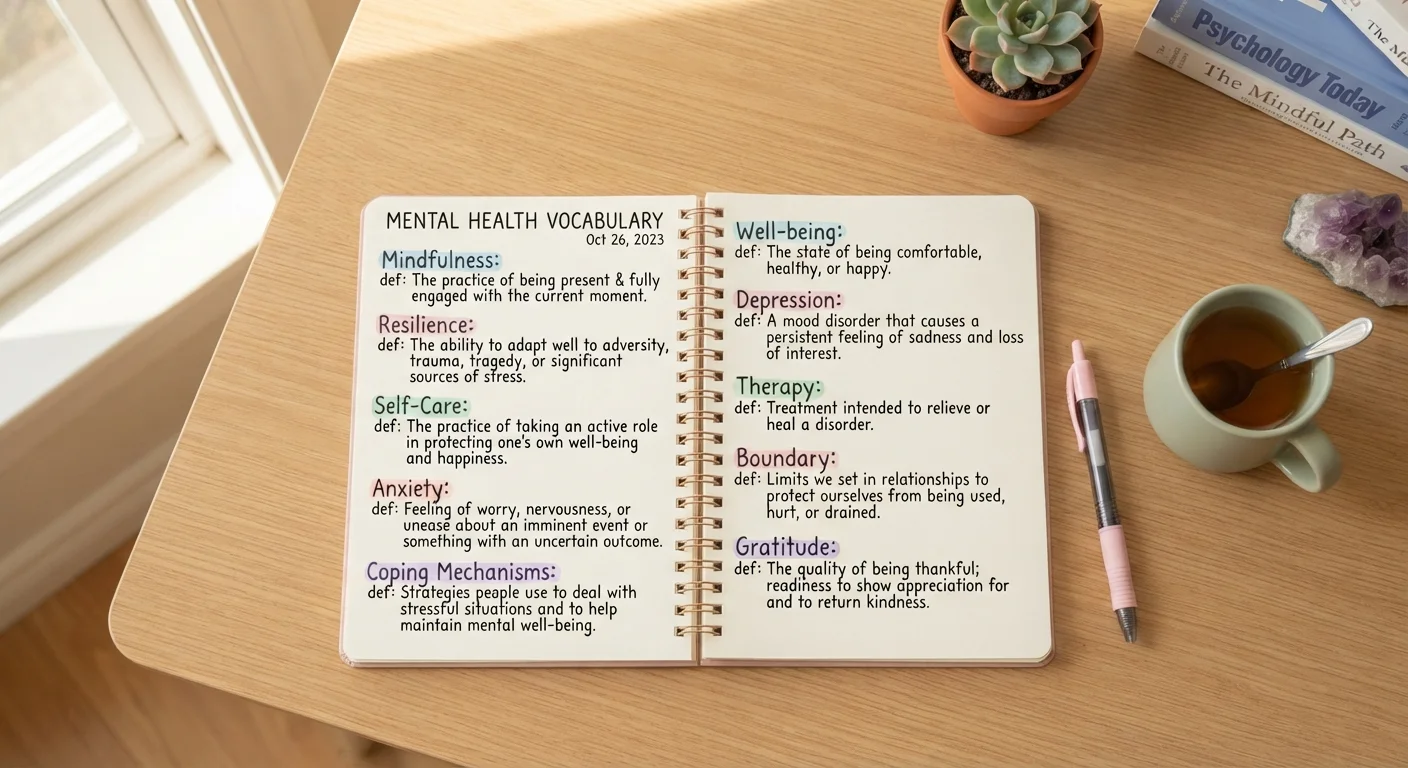
Separating myth from fact matters because what people believe about anxiety directly shapes whether they seek help, how they support others, and how they talk about mental health in their communities. The myths below reflect some of the most persistent errors, corrected against what mental health research consistently shows. For a plain-language primer on related terms, see our mental health glossary.
This article is for general informational purposes only and is not a substitute for professional medical or mental health advice. If you are experiencing distressing symptoms, please consult a qualified healthcare provider.
Myth
Anxiety is just worry - everyone has it, so it's not a real medical condition.
Fact
Anxiety disorders are distinct clinical conditions recognized in established diagnostic frameworks, not simply everyday stress or worry.
Ordinary worry is a normal, even useful, human experience. Anxiety disorders are different: they involve persistent, excessive fear or anxiety that is disproportionate to the situation, difficult to control, and significant enough to interfere with daily functioning. The DSM recognizes several distinct anxiety disorders, including generalized anxiety disorder, panic disorder, social anxiety disorder, and specific phobias. Each has defined diagnostic criteria. Dismissing these conditions as ordinary worry prevents people from seeking care that could genuinely improve their lives.
Myth
If you just push through your fears and avoid thinking about them, anxiety will go away on its own.
Fact
Avoidance is one of the primary behaviors that maintains and strengthens anxiety over time, according to clinical research.
Avoidance provides short-term relief but reinforces the brain's perception that the feared situation is genuinely dangerous. Over time, the range of situations a person avoids tends to expand, and the anxiety intensifies rather than fades. Evidence-based treatments like CBT often involve gradual, supported exposure to feared situations - precisely the opposite of avoidance - because confronting fears in a controlled way is one of the most effective paths to long-term relief.
Myth
Anxiety disorders only affect people who are high-strung, sensitive, or have weak personalities.
Fact
Anxiety disorders arise from a complex mix of genetic, neurobiological, and environmental factors - they are not a reflection of character or strength.
Research consistently shows that anxiety disorders involve measurable differences in brain chemistry and stress-response systems, as well as hereditary components. Stressful life events, trauma, and certain medical conditions can also contribute. People across every personality type, profession, and demographic experience anxiety disorders. Framing anxiety as a personal failing discourages help-seeking and adds an unnecessary layer of shame to an already difficult experience.
Myth
Medication is the only real treatment for anxiety disorders.
Fact
Psychotherapy - particularly cognitive behavioral therapy - is a well-established, highly effective treatment for anxiety disorders, with or without medication.
Both psychotherapy and medication have strong evidence bases for treating anxiety disorders, and for many people a combination of both is most effective. CBT, in particular, has been extensively studied and is considered a first-line treatment for multiple anxiety disorder types. Other approaches, including acceptance-based therapies and mindfulness-based interventions, also have growing research support. The right approach depends on the individual, the specific disorder, and a conversation with a qualified mental health provider - not a one-size-fits-all rule.
Myth
Panic attacks are dangerous - they can cause a heart attack or make you lose your mind.
Fact
Panic attacks, while intensely uncomfortable, are not medically dangerous on their own and do not cause heart attacks or psychosis.
Panic attacks trigger the body's fight-or-flight response, producing symptoms like racing heart, chest tightness, shortness of breath, and dizziness - sensations that can feel genuinely terrifying. However, these symptoms are the result of a surge in adrenaline and are not physically harmful for otherwise healthy individuals. Importantly, if someone experiences chest pain or other cardiac symptoms, they should seek medical evaluation to rule out a physical cause. The fear of panic attacks themselves - known as anticipatory anxiety - often becomes a major driver of avoidance behavior and can worsen the disorder over time.
Myth
Children don't really get anxiety disorders - they're just shy or acting out.
Fact
Anxiety disorders are among the most common mental health conditions in children and adolescents, and they are treatable.
Research indicates that anxiety disorders frequently emerge in childhood and adolescence. Separation anxiety disorder, social anxiety disorder, and specific phobias often first appear in early life. Labeling anxious children as simply "shy" or dismissing their distress as misbehavior can delay diagnosis and treatment during a critical developmental window. Parents concerned about a child's anxiety-related behaviors are encouraged to consult a pediatrician or licensed child mental health specialist for a proper evaluation.
What the Evidence Actually Tells Us
Understanding what anxiety disorders really are - and are not - can make a meaningful difference in how people approach their own mental wellness and how they support those around them.
40M+
Adults affected by anxiety disorders annually in the U.S.
According to the Anxiety and Depression Association of America, anxiety disorders are the most common mental illness in the United States.
~36%
Of sufferers who receive treatment
Despite being highly treatable, the Anxiety and Depression Association of America estimates only about 36% of people with anxiety disorders receive treatment.
~11 years
Average delay before seeking anxiety treatment
Research published in mental health literature suggests the average person with an anxiety disorder waits approximately a decade before getting professional help.
One of the most actionable takeaways from the research is that anxiety disorders respond well to treatment. Cognitive behavioral therapy (CBT) is among the most studied psychological interventions for anxiety, and medication options are also well-established. The key barrier for most people is not the availability of care but the stigma and misinformation that delay them from seeking it.
Don't Rely on Self-Diagnosis Alone
Online resources and articles - including this one - can help you understand anxiety disorders in general terms, but they cannot diagnose a condition or determine what treatment is right for you. Symptoms of anxiety can overlap with those of other medical and mental health conditions. A qualified healthcare or mental health professional is the appropriate person to assess your specific situation and recommend a course of action.
If anxiety is interfering with your daily life - your sleep, relationships, work, or sense of well-being - that is a signal worth discussing with a licensed mental health professional. You do not need to meet some dramatic threshold of suffering to deserve support. Just as people face misconceptions about anxiety, similar myth-driven hesitation affects other financial and life decisions; for instance, investing myths and insurance myths can similarly steer people toward harmful inaction. Recognizing a pattern of myth-driven avoidance - in any area of life - is itself a valuable insight.