The Core Trade-Off: Risk Transfer vs. Self-Insurance
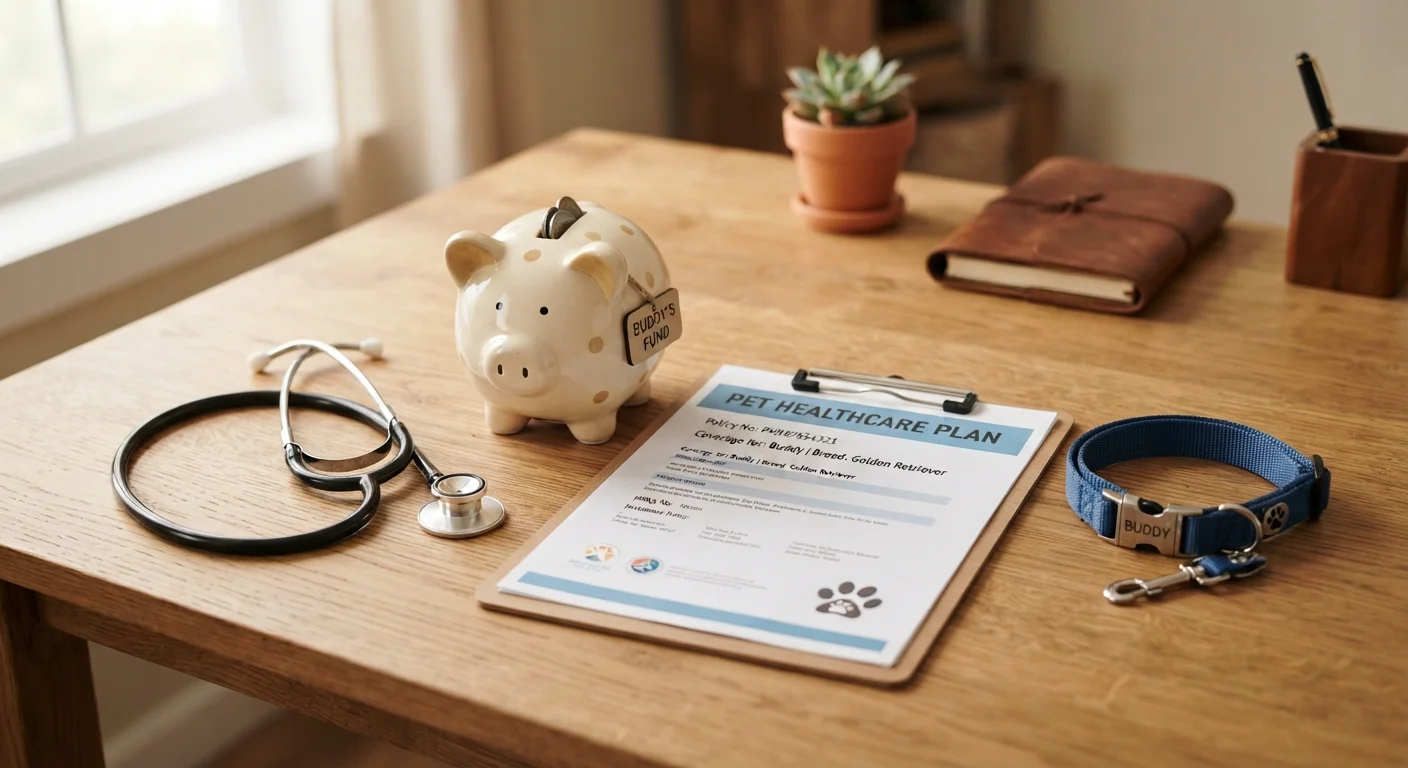
Every unexpected veterinary bill forces the same question: who absorbs the financial shock? Pet insurance answers that question by shifting much of the risk to an insurer in exchange for monthly premiums. A dedicated savings fund answers it by keeping the risk - and the money - with you.
Understanding what pet insurance policies actually cover is essential before comparing costs. Most accident-and-illness plans reimburse a percentage of eligible vet bills after you meet an annual deductible, subject to coverage limits. That structure means your out-of-pocket exposure has a ceiling - useful when a single surgery can run $4,000-$8,000 or more. But you pay premiums regardless of whether you file a claim, and many conditions, including pre-existing ones, may not be covered at all.
A savings fund works differently. You deposit a set amount each month into a dedicated account - ideally one earning competitive interest - and draw from it when vet costs arise. Nothing is excluded, there's no reimbursement paperwork, and unused funds stay yours. The vulnerability is timing: if a serious illness strikes before the fund is adequately built, you may face a gap.
| Criterion | Pet Insurance | Dedicated Savings Fund |
|---|---|---|
| Monthly cost | Fixed premium ($30-$150+/mo) | You set the amount |
| Coverage for large bills | Yes, after deductible and co-pay | Only if fund is sufficiently built |
| Pre-existing conditions | Typically excluded | Fully covered - no exclusions |
| Unused money | Lost (premiums non-refundable) | Stays in your account |
| Early-pet protection | Immediate once active | Limited until fund grows |
| Paperwork / reimbursement | Required for every claim | None |
| Cost as pet ages | Premiums typically rise | Contributions stay under your control |
| Interest or growth | None | Earns interest in a savings account |
Running the Numbers: When Each Approach Wins
The math on pet insurance hinges on how often and how severely your pet needs care. If you pay $60 per month in premiums ($720/year) and your pet has a single $3,000 emergency, insurance likely saves you money after your deductible and co-insurance. But if your pet goes several healthy years with only routine visits, you may pay more in cumulative premiums than you would have spent out of pocket.
A self-funded approach becomes more competitive as the fund grows. Depositing $100 per month into a high-yield savings account builds roughly $1,200 in the first year and over $3,600 by year three - enough to handle many common emergencies. The compounding interest advantage grows over time, and funds not spent on vet care can eventually redirect to other financial goals.
$1,500-$5,000+
Typical cost of common canine surgeries
According to veterinary cost surveys, procedures such as ACL repair or intestinal obstruction removal commonly fall within this range, underscoring the value of any financial buffer.
~40%
Pet owners reporting an unexpected vet bill in a given year
Industry estimates suggest a significant share of pet owners face at least one unplanned veterinary expense annually, highlighting the real risk of being financially unprepared.
$600-$1,800
Average annual pet insurance premium (dogs)
Premium ranges vary widely by species, breed, age, location, and coverage level; always obtain personalized quotes before making a decision.
Breed risk matters enormously here. Dogs such as French Bulldogs, Golden Retrievers, and Cavalier King Charles Spaniels carry documented predispositions to expensive conditions. For these animals, insurance purchased young - before exclusions accumulate - often represents genuine value. For a healthy mixed-breed dog or domestic shorthair cat, the actuarial case for insurance is less clear-cut.
For a fuller picture of all the costs you'll want to plan around, see our guide to building a realistic annual pet budget.
Practical Considerations Beyond the Premiums
Cost is only part of the decision. Consider these practical realities before committing to either strategy:
- Cash flow vs. lump-sum readiness: Insurance spreads cost predictably across the year. A savings fund requires upfront discipline and leaves you exposed while the balance is still low.
- Policy exclusions and fine print: Insurers may exclude breed-specific conditions, bilateral conditions (if one knee has been treated, the other may be excluded), and anything flagged in prior vet records. Always read the policy terms carefully.
- Premium increases over time: Most insurers raise premiums as your pet ages, sometimes substantially. A policy that costs $55 per month at age two may cost $130 or more at age nine.
- Savings fund discipline: A dedicated fund only works if it stays dedicated. Mixing it with your general emergency fund or dipping into it for non-pet expenses defeats the purpose.
Many owners also overlook less obvious expenses. Our article on costs pet owners often overlook covers items like behavioral training, end-of-life care, and boarding - none of which are typically covered by standard pet insurance.
If you're still deciding whether you're financially ready for a pet at all, the financial preparedness checklist is a useful starting point.
A Hybrid Approach Is Worth Considering
Some owners find that carrying a modest accident-only policy - typically less expensive than comprehensive coverage - while simultaneously building a smaller savings fund offers the best of both worlds. The policy caps exposure to catastrophic accidents, while the fund handles routine and minor costs without claims paperwork. This strategy requires evaluating total monthly outlay carefully to ensure it fits your broader budget.
This article provides general financial information for educational purposes only and does not constitute personalized financial or insurance advice. Consult a licensed financial adviser or insurance professional for guidance specific to your situation.