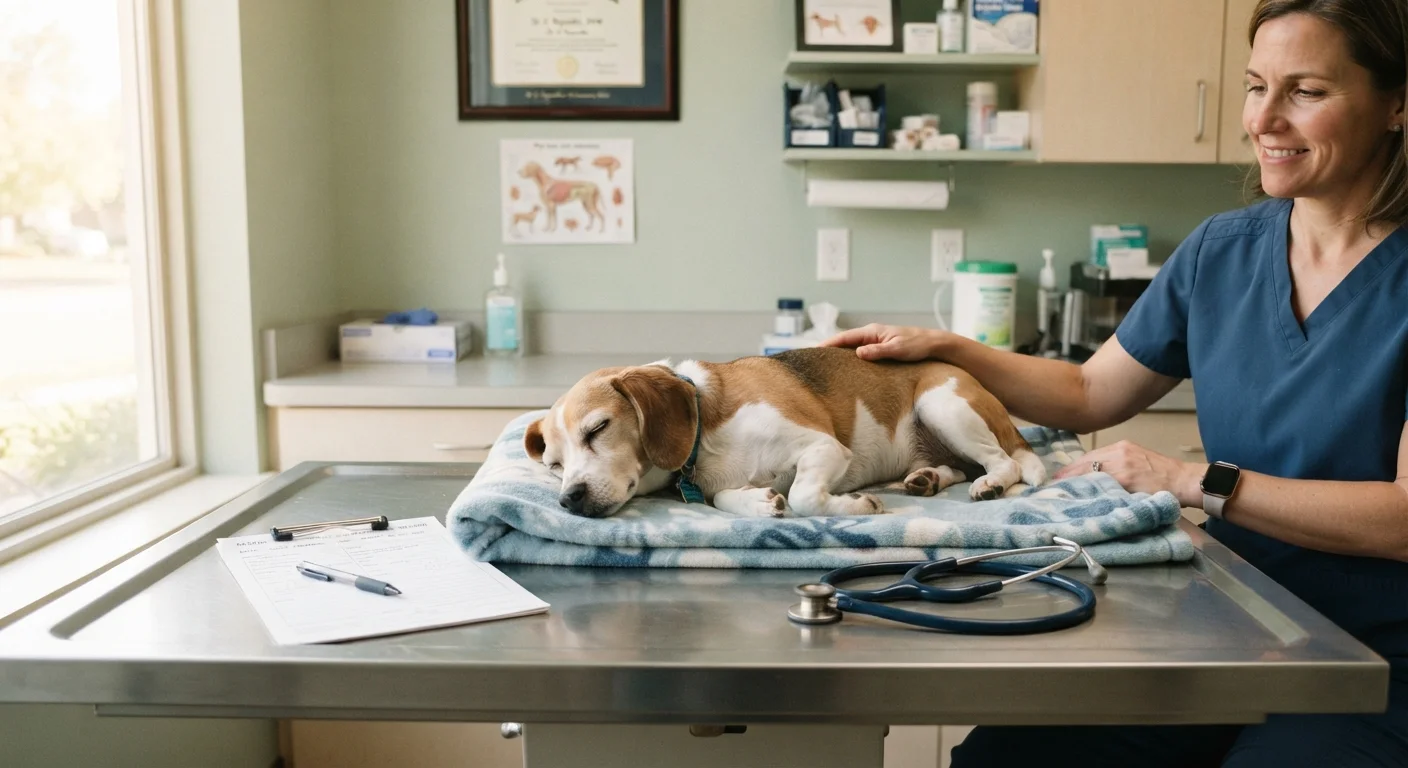

The Upfront Cost Gap Is Real - and Significant
Adoption fees at shelters and rescue organizations typically range from roughly $50 to $500, depending on the animal's age, species, and the organization's location. That fee commonly covers spay or neuter surgery, initial vaccinations, a microchip, and sometimes a veterinary wellness exam - services that, if purchased separately, could easily total $300 to $800 or more.
By contrast, purchasing a dog or cat from a breeder can cost anywhere from several hundred dollars for a less common breed to several thousand for high-demand purebreds. These prices vary widely based on pedigree, geographic region, and breeder reputation. The purchase price rarely includes spay/neuter procedures, meaning that expense falls to the new owner.
For a grounded look at what total first-year ownership costs look like, see The True Cost of Owning a Pet in America.
| Adoption | Purchasing from a Breeder | |
|---|---|---|
| Typical upfront cost | $50-$500 | $500-$5,000+ |
| Spay/neuter included | Usually yes | Rarely included |
| Initial vaccinations included | Often yes | Varies by breeder |
| Known health history | Often limited | Documented for parents |
| Breed predictability | Lower (often mixed-breed) | High |
| Long-term routine care costs | Comparable to breeder | Comparable to adoption |
| Genetic disease risk | Generally lower (mixed-breed) | Breed-dependent |
Health Costs Over the Long Term
One of the most common assumptions is that purchasing a purebred animal from a health-tested breeder guarantees a healthier - and therefore cheaper - lifetime. The reality is more nuanced. Responsible breeders do screen for heritable conditions, and documentation of that screening has genuine value. However, genetic health testing cannot eliminate all breed-specific risks, and many purebreds carry predispositions to conditions such as hip dysplasia, respiratory issues, or cardiac disease.
Shelter animals are often mixed-breed, and there is general veterinary consensus that mixed-breed dogs tend to have fewer inherited genetic disorders - though this is not universal. Adopted animals may also arrive with unknown medical histories, which can occasionally mean an undisclosed condition surfaces after adoption.
Neither path insulates owners from unexpected veterinary costs. Emergency care, chronic illness management, and expenses that are easy to overlook - including end-of-life care - are financial realities for all pet owners.
Ask About What's Included Before You Commit
Whether you're adopting or purchasing, request a full itemized list of what veterinary services are already covered. A shelter adoption fee that includes spay/neuter, vaccines, and a microchip can represent $400-$900 in services. A breeder contract should clearly state what health guarantees - if any - are offered and under what conditions they apply.
Where Costs Converge After Year One
Once the initial acquisition costs are behind you, the ongoing financial picture looks remarkably similar for adopted and purchased pets. Routine annual veterinary care, heartworm and flea prevention, food, grooming, boarding, and supplies depend primarily on the animal's species, size, and health - not where it came from.
Spaying and neutering, if not already done, represent a meaningful one-time cost. For context on what these procedures involve, this overview of spaying vs. neutering covers what owners should understand before talking with their vet.
Behavioral training costs can also vary. Some shelter animals - particularly those with trauma histories - may benefit from professional training support. However, many purchased purebreds also require obedience training, and breed-specific behavioral tendencies can make some purchased dogs more demanding in this regard. Before acquiring any pet, working through a financial preparedness checklist can help ensure no major expense category is overlooked.
$50-$500
Typical shelter adoption fee range
Adoption fees at U.S. shelters and rescues generally cover core veterinary services, representing significant value relative to the fee itself.
10-20 years
Average lifespan of dogs and cats
The ASPCA notes that the total lifetime cost of pet ownership far exceeds the initial acquisition price for virtually all owners.
Making the Decision That Fits Your Budget
The financially sound approach begins with being honest about your household budget - both for the first year and across the expected lifespan of the animal. Dogs and cats can live 10 to 20 years; that's a decade or more of food, care, and potential medical costs regardless of how ownership began.
If you're weighing whether a dog or cat fits your budget better overall, a side-by-side cost comparison of dogs vs. cats can provide useful context before you decide. And if you're considering adding more than one animal to the household, understanding where multi-pet costs scale and where they don't is worth reviewing.
For general financial planning around pet expenses - including building an emergency fund - resources on saving and managing debt can help owners build a more resilient budget for any unexpected costs that arise.
This article is for general informational purposes only and does not constitute financial or veterinary advice. Consult a licensed veterinarian for health-related decisions and a qualified financial professional for personalized budget guidance.