More Than a Vaccine Appointment
Many pet owners think of the annual checkup primarily as the appointment where their pet gets shots. In reality, vaccines are just one small component of what a thorough wellness exam covers. The physical evaluation itself is the core of the visit - and it gives your veterinarian a systematic look at your pet's health that you simply can't replicate at home.
Think of it as an annual health snapshot. Each exam becomes part of a medical record that tracks your pet over time, making it much easier for your vet to spot gradual changes - in weight, organ function, or behavior - that might signal a developing problem. For pet owners looking to stay organized year-round, the monthly pet care checklist is a helpful companion resource for tracking between visits.
80%
Dogs showing dental disease signs by age 3
According to the American Veterinary Medical Association, the majority of dogs show evidence of periodontal disease by age three - often detectable only through a veterinary exam.
1 in 3
Pets with a serious condition detected at wellness visits
Veterinary industry data suggests that roughly one in three pets brought in for routine wellness exams are found to have a previously undetected health issue.
2x
Recommended exam frequency for senior pets
Most veterinarians recommend that dogs and cats considered senior - generally over age 7 and 10, respectively - be examined twice yearly rather than annually.
What Vets Actually Assess During the Exam
A standard wellness exam follows a consistent structure, working through your pet's body from nose to tail. Here's what a veterinarian is evaluating at each step:
- Weight and body condition score: Vets assess whether your pet is at a healthy weight using a standardized body condition scale - not just the number on the scale, but muscle mass and fat distribution.
- Eyes, ears, and nose: Checked for discharge, redness, cloudiness, odor, or signs of infection and inflammation.
- Mouth and teeth: Dental disease is one of the most common and underdiagnosed conditions in pets. The vet will look for tartar buildup, gum recession, broken teeth, and signs of pain.
- Skin and coat: Assessed for lumps, parasites, dryness, hair loss, or lesions that could indicate allergies, infection, or systemic disease.
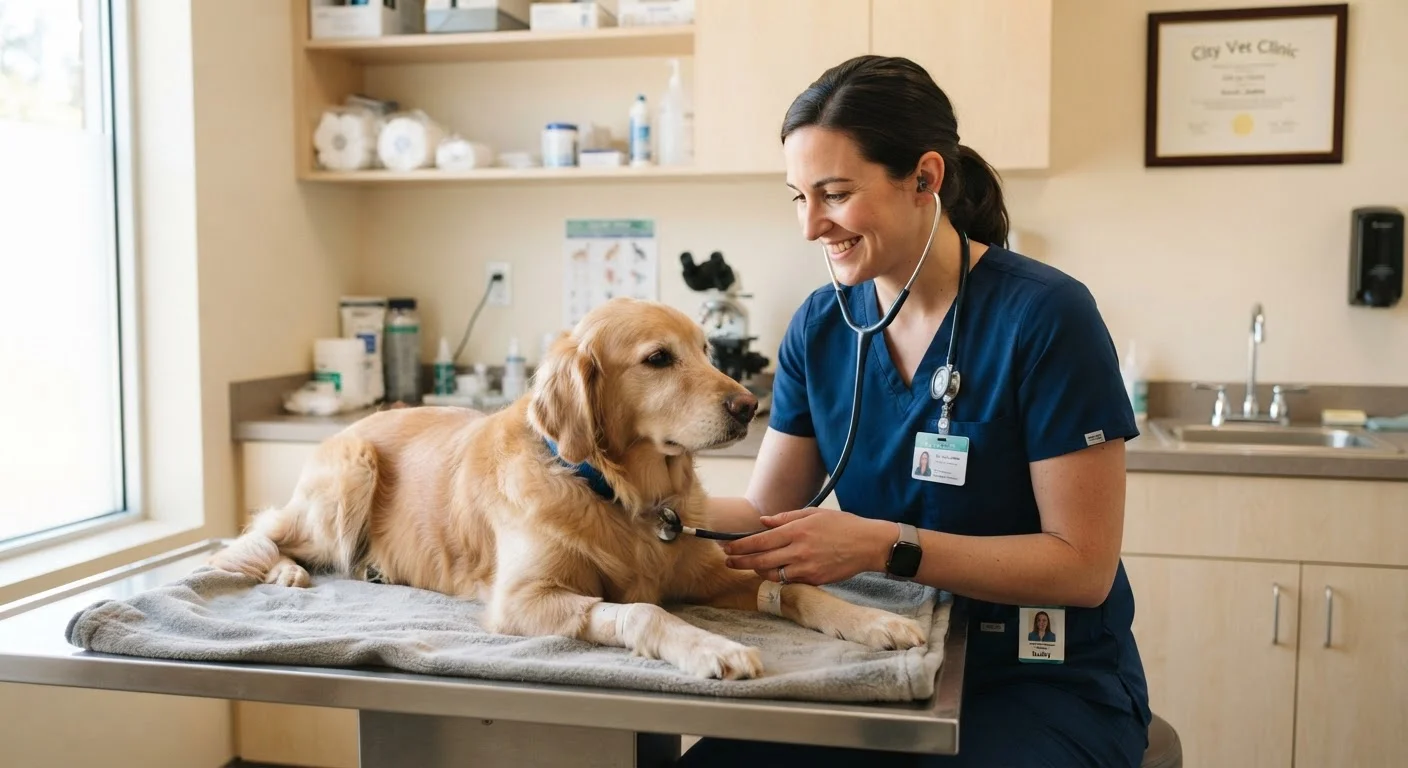
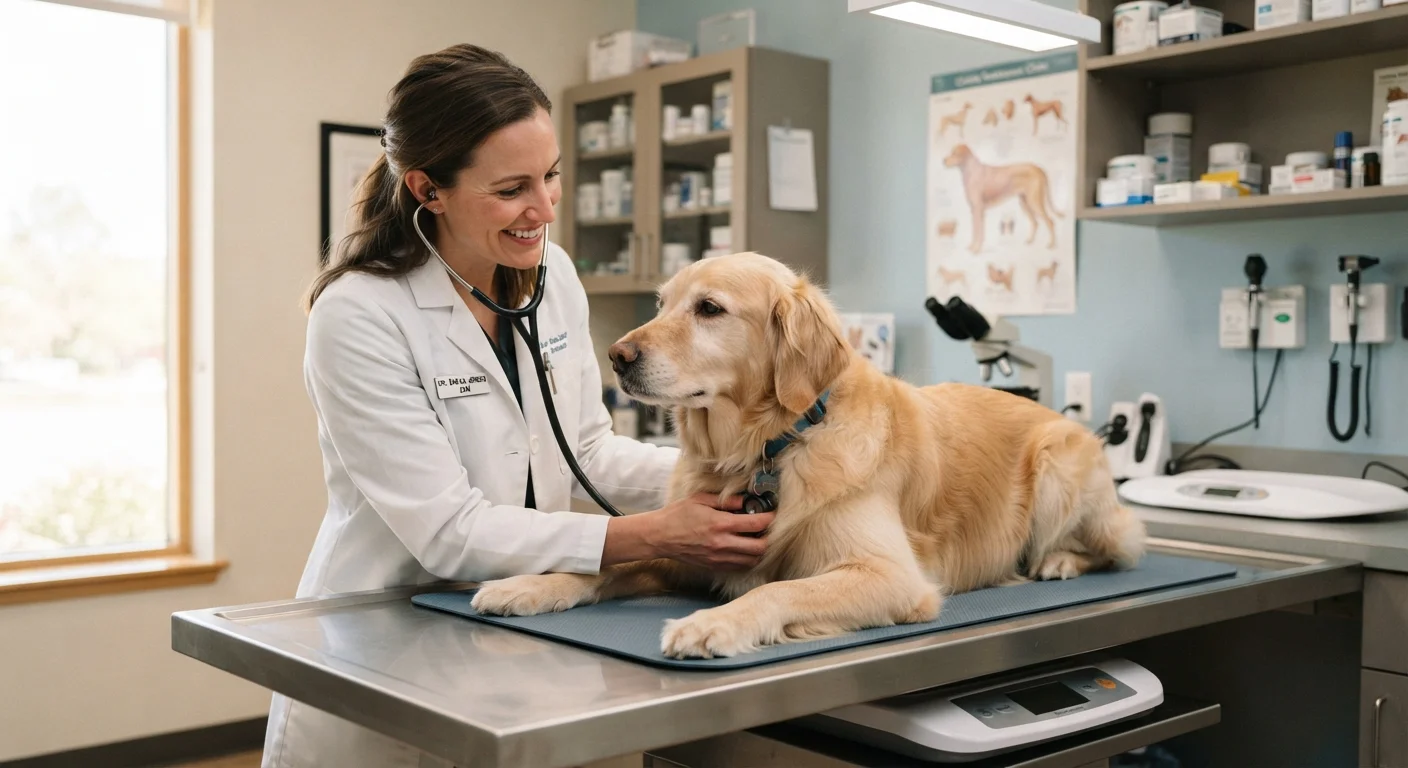
- Heart and lungs: Using a stethoscope, the vet listens for abnormal heart rhythms, murmurs, or breathing irregularities.
- Abdomen: Manual palpation helps detect enlarged organs, pain responses, unusual masses, or digestive irregularities.
- Lymph nodes and musculoskeletal system: Swollen lymph nodes, joint stiffness, and mobility issues are assessed, particularly in older pets.
Make the Most of the Appointment
Before your visit, write down any behavioral changes, appetite shifts, water intake changes, or unusual lumps you've noticed. The physical exam reveals a lot, but your observations at home are equally valuable data for your vet. A consistent home monitoring routine makes these conversations much more productive.
Vaccines, parasite prevention updates, and any recommended lab work - such as heartworm tests or fecal screens - are typically handled after the physical portion of the exam.
Why Preventive Exams Have Long-Term Value
Conditions like dental disease, hypothyroidism, early kidney disease, and heart murmurs often develop slowly and silently. By the time clinical symptoms appear, treatment is frequently more complex and more expensive. An annual exam creates a window to catch these problems while they're still manageable.
“The annual physical examination is the cornerstone of preventive veterinary medicine. It's not just about what we find - it's about building the baseline knowledge that makes every future visit more meaningful.”
— American Animal Hospital Association, Veterinary accreditation and standards organization
This is also why skipping years between checkups carries real risk - particularly for pets over age 5. The conditions preventive care can catch or slow are broader than most owners expect.
From a financial standpoint, routine exams tend to be significantly less costly than emergency or specialist care for conditions that went undetected. Pet owners curious about managing these costs can explore options like wellness plans or review practical strategies for keeping routine care costs manageable.
This article is intended for general informational purposes only and does not constitute veterinary medical advice. Always consult a licensed veterinarian for guidance specific to your pet's health and care needs.