
The Real Definition of a Budget
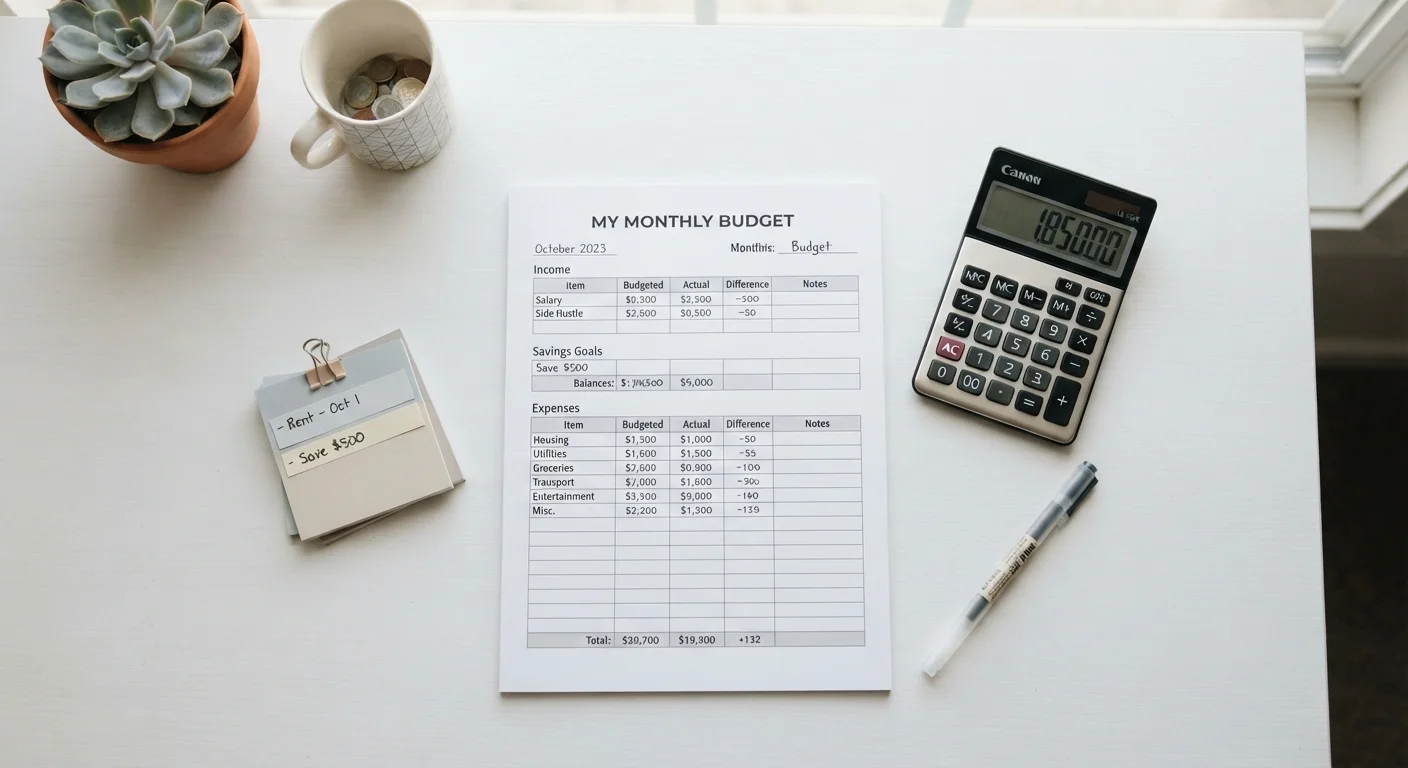
At its core, a budget is simply a plan. It answers one practical question: given the money coming in this month, where should it go? That's it. Nothing in that definition says you can't spend on things you enjoy, that every dollar must be accounted for to the penny, or that you're in financial trouble for needing one.
The word "budget" carries a lot of unnecessary baggage. Many people hear it and picture a joyless spreadsheet full of "no" - no dining out, no streaming subscriptions, no small indulgences. That framing is a myth, and it's one of the main reasons so many people avoid budgeting altogether. For a deeper look at the misconceptions that keep people from starting, see common budgeting myths worth rethinking.
A budget is forward-looking. It's written before the month begins - or at the very start of it - so you're making deliberate choices rather than reacting to whatever bill or impulse arrives next. That single shift, from reactive to intentional, is what makes budgeting genuinely powerful.
Budget vs. Spending Tracker: A Key Distinction
A budget looks forward - it sets intentions before money is spent. A spending tracker looks backward - it records what actually happened. Both tools are valuable, but they serve different purposes. Many people find that using a budget alongside a simple tracker helps them stay aligned with their plan throughout the month.
What a Budget Is Not
Understanding what a budget isn't is just as important as knowing what it is. Here are the most common misconceptions:
- A budget is not a spending ban. Budgeting for a restaurant meal or a weekend trip means you've planned for it. That spending is authorized, not forbidden.
- A budget is not a fixed, unchangeable document. Life changes - so does a good budget. If your car needs a repair or you get a bonus, you adjust the plan. Flexibility is a feature, not a failure.
- A budget is not only for people in debt or financial crisis. Budgeting is as useful at a six-figure salary as it is at a modest income. Without a plan, money at any level tends to disappear without meaningful progress toward goals.
- A budget is not a record of the past. That's what a spending tracker does. A budget sets intentions; a tracker checks whether reality matched those intentions.
~32%
Americans who use a formal budget
According to Gallup polling, fewer than one in three Americans maintains a detailed household budget, despite widespread agreement that budgeting is financially beneficial.
$1,000+
Average monthly spending gap without tracking
Research from the U.S. Bureau of Labor Statistics consumer expenditure surveys consistently shows that self-reported spending estimates diverge significantly from actual tracked expenditures.
60%
Adults who say money causes them stress
The American Psychological Association's annual Stress in America survey regularly finds that finances rank among the top stressors for American adults, across income levels.
If you want to understand the building blocks that make budgets work, the budget glossary for beginners covers key terms you'll encounter throughout the process.
Why the Concept Gets Misunderstood
Much of the confusion around budgeting comes from how it's taught - or, more accurately, how it isn't. Most people encounter budgeting only when something has gone wrong: a financial counselor recommends it after debt accumulates, or a well-meaning family member suggests it after a crisis. That association between budgeting and financial failure makes the tool feel like a punishment rather than a strategy.
In reality, a budget is closer to a GPS than a leash. You decide the destination - whether that's paying off a credit card, building an emergency fund, or saving for a vacation - and the budget shows you the route. You're still driving.
Another source of confusion is the assumption that budgets require perfection. One overspent grocery week doesn't mean the budget has failed; it means the plan needs a small correction next month. The goal is a general direction, not flawless execution every single day.
What a Budget Actually Gives You
A well-constructed budget gives you three things most people say they want from their finances: clarity, control, and permission.
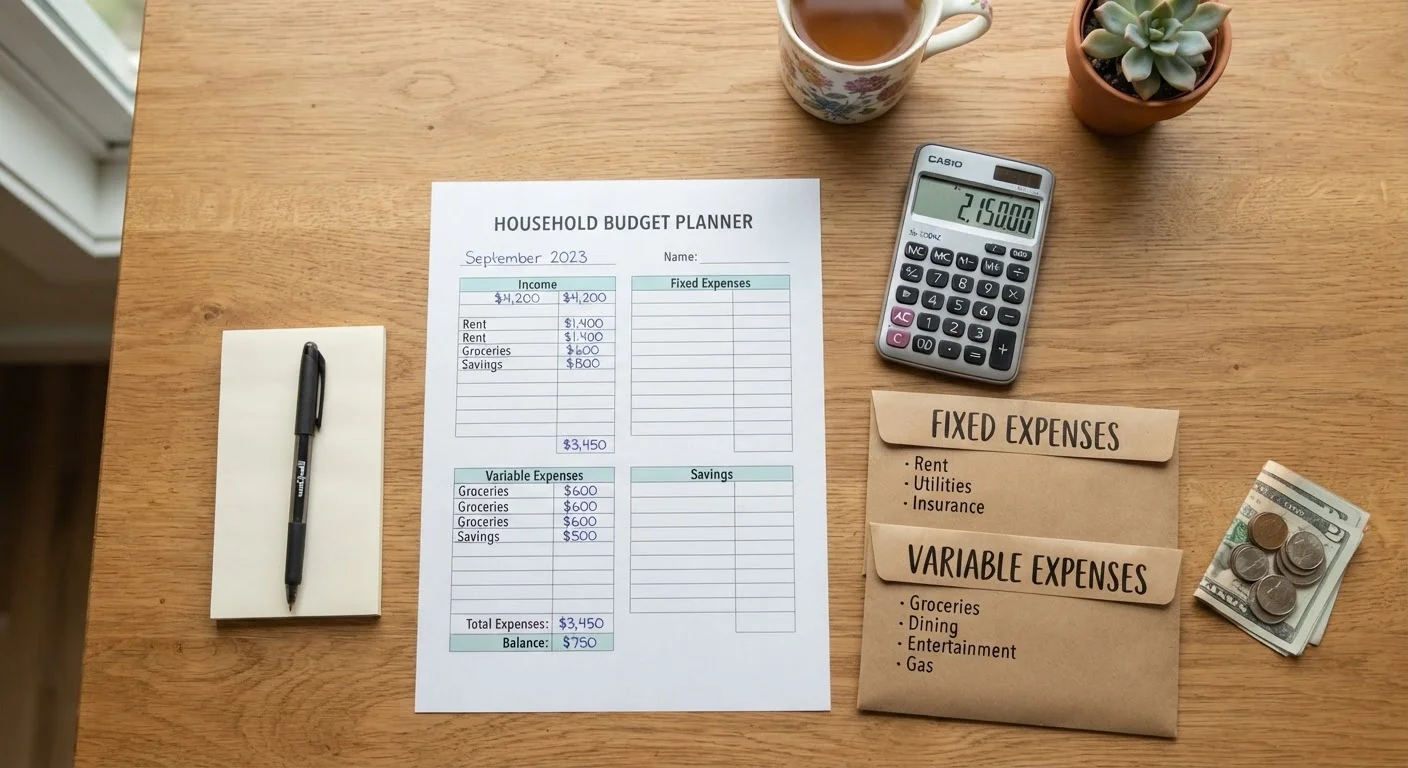
Clarity comes from knowing your real numbers - what actually comes in each month and what genuinely goes out. Many people are surprised to discover where their money actually flows once they write it down. Understanding the difference between fixed costs and variable ones is a key part of that clarity. See fixed vs. variable expenses explained for a practical breakdown.
Control follows from clarity. When you can see the full picture, you can make informed trade-offs - spending less in one area because you care more about another.
Permission may be the most underrated benefit. When you've planned for a purchase, you can make it without anxiety or guilt. The budget said yes.
Start Simple - One Month at a Time
You don't need a complex system to start budgeting. Begin by listing all income expected this month, then list every expense you can anticipate. Subtract expenses from income. If the number is positive, you have a surplus to direct toward savings or debt. If it's negative, you know where adjustments are needed. One month of honest numbers teaches you more than any budgeting theory.
If you're ready to put these concepts into practice, building your first monthly budget from scratch walks through every step. And before you finalize any plan, it's worth reviewing spending categories that budgets commonly overlook - irregular costs like annual subscriptions and car registration often derail otherwise solid plans.
This article is for general informational and educational purposes only and does not constitute personalized financial advice. Consult a qualified financial professional for guidance specific to your situation.