
The Core Idea Behind Liability Coverage
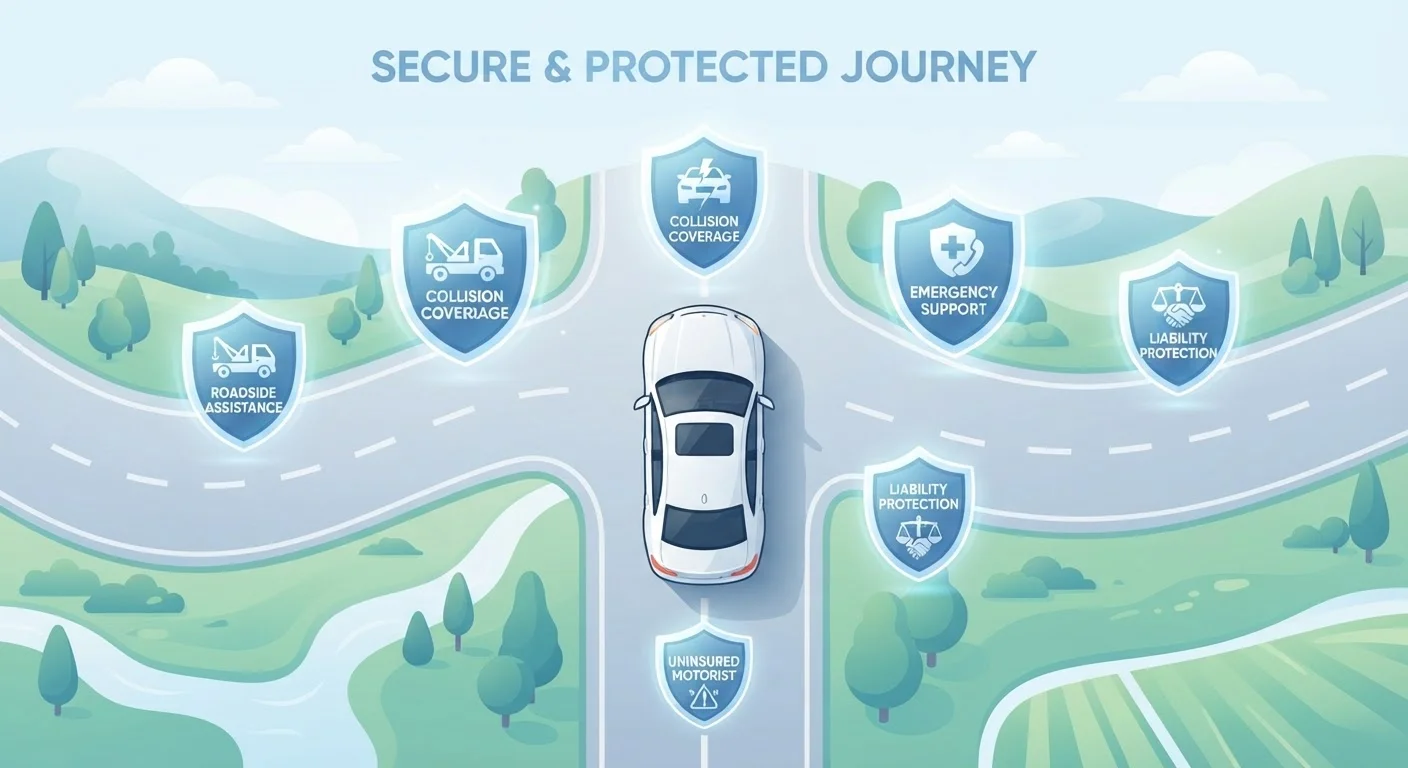
Liability insurance exists to protect you financially when you are held responsible for hurting someone or damaging their property. Rather than reimbursing your own losses, it steps in to pay the other party's medical bills, repair costs, or legal judgments against you.
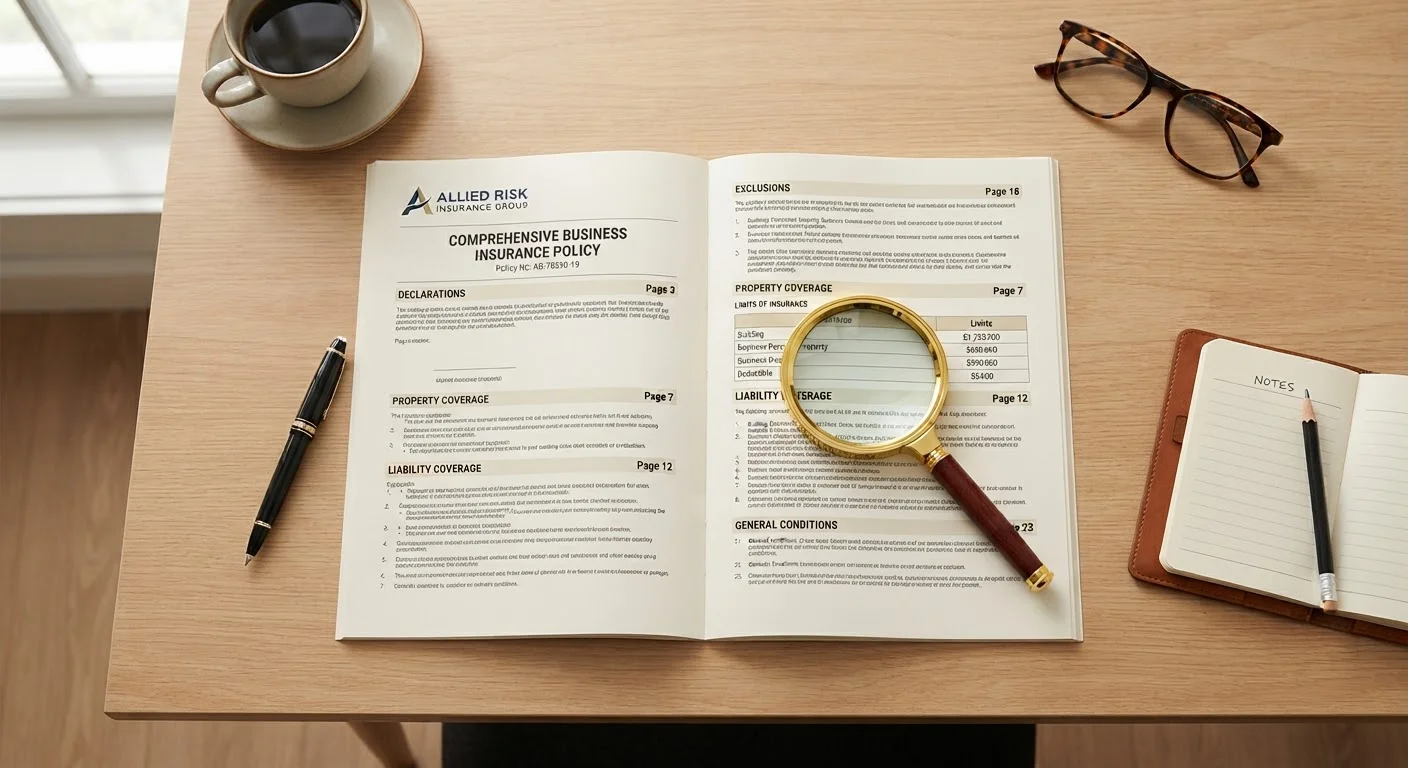
This basic principle - paying on your behalf for harm you caused to others - runs through every policy type that includes liability coverage. What changes is the context in which that harm might occur. For a deeper look at the language inside any policy, see how a policy is structured section by section.
~49 states
States requiring auto liability insurance
Nearly every U.S. state mandates a minimum level of auto liability coverage; requirements and minimums differ by state.
$100,000+
Typical homeowners personal liability limit
Most standard homeowners policies include at least $100,000 in personal liability coverage, with higher limits widely available.
$1 million
Common starting limit for umbrella policies
Umbrella policies typically begin at $1 million in additional liability coverage above underlying auto or homeowners limits.
Liability in Auto Insurance
Auto liability coverage is the most familiar form for most Americans because it is legally required in nearly every state. It divides into two parts:
- Bodily injury liability - covers medical expenses, lost wages, and legal costs for people injured in an accident you caused.
- Property damage liability - covers repair or replacement costs for another person's vehicle or property you damaged.
Limits are typically written as three numbers, such as 25/50/25. These represent (in thousands of dollars) the per-person bodily injury limit, the per-accident bodily injury limit, and the property damage limit. If a claim exceeds those numbers, the difference comes out of your pocket.
Importantly, auto liability does not cover your own vehicle damage or your own injuries - those require separate coverages. For a full breakdown of how liability compares to collision and comprehensive, see auto insurance coverage types explained.
Check Your Limits Before You Need Them
Many drivers carry only the state-minimum liability limits, which can be inadequate in a serious accident. Review your limits periodically and consider whether your assets - savings, home equity, future income - are adequately protected. A licensed insurance agent can walk you through what higher limits would cost.
Liability in Homeowners Insurance
A standard homeowners policy includes personal liability coverage, which pays when someone is injured on your property or when you (or a covered household member) accidentally cause harm elsewhere. Common scenarios include a guest slipping on an icy walkway or a child accidentally breaking a neighbor's window.
Homeowners liability typically also covers the cost of your legal defense if a covered claim leads to a lawsuit - an often-overlooked benefit. Coverage limits are usually set at $100,000 or more, with higher limits available.
One nuance worth understanding: personal liability under a homeowners policy generally excludes incidents related to operating a vehicle or running a business from home. Those situations call for auto or commercial coverage, respectively. For help navigating terminology that often overlaps, visit insurance terms that look similar but mean different things.
Liability in Business Insurance
Businesses face a broader range of liability exposures than individuals, so commercial liability coverage is more layered. The two most common forms are:
- Commercial general liability (CGL) - covers bodily injury and property damage claims arising from your business premises or operations. If a customer trips and falls in your store, CGL responds.
- Professional liability (errors and omissions) - covers claims that your professional advice or service caused a client's financial loss. This applies to consultants, accountants, designers, and similar service providers.
Other specialized forms - product liability, employment practices liability, directors and officers liability - address more specific business risks. Small business owners often start with a Business Owner's Policy (BOP), which bundles general liability with property coverage.
How Umbrella Policies Extend Liability Coverage
An umbrella policy is a separate policy that sits above your auto, homeowners, and sometimes business policies. When a claim exhausts the underlying policy's limit, the umbrella picks up the remaining covered costs, typically in increments of $1 million.
This matters because serious accidents - a multi-car collision, a severe injury on your property - can generate claims that far exceed standard limits. Umbrella coverage is generally available at relatively low additional cost compared to the additional protection it provides, though premiums and terms vary by insurer and individual circumstances.
For a plain-language overview of how liability coverage functions at its core - including what it includes, what it excludes, and why limits matter - see liability coverage in plain English.
This article is for general informational purposes only and does not constitute personalized insurance, legal, or financial advice. Coverage terms, exclusions, and requirements vary by provider and by state. Read your actual policy documents carefully and consult a licensed insurance professional for guidance specific to your situation.