The Denial Isn't Random - It's in the Document
When an insurer denies a claim, it rarely comes as a surprise to the adjuster. The reason is almost always grounded in specific policy language that was present when you signed up. The frustration for most policyholders is that they never read that language - or read it without fully understanding what it meant.
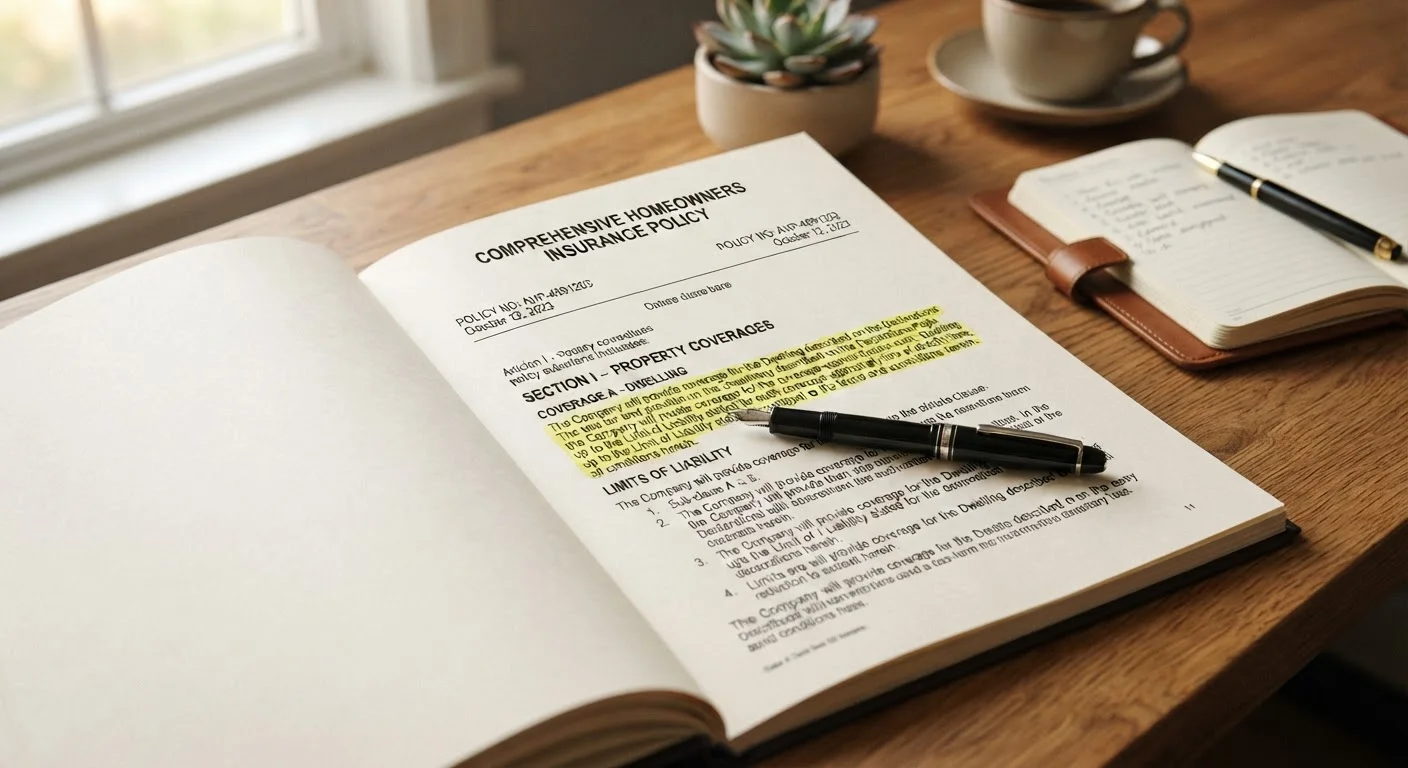
Insurance policies are legal contracts, and every word carries weight. The sections that matter most in a denial scenario are the declarations page (a summary of what is covered and for how much), the insuring agreement (the insurer's core promise), the exclusions (what is explicitly not covered), and the conditions (your obligations to keep coverage valid). For a plain-language breakdown of those terms, see our guide to commonly misunderstood insurance terms.
Understanding where denials originate - and what specific language triggers them - puts you in a far stronger position, both when choosing a policy and when filing a claim.
Common Mistakes That Lead to Denied Claims
Most denials fall into a predictable set of categories. The mistakes below account for a large share of the claim rejections policyholders encounter across health, auto, home, and life insurance.
Filing a claim for a loss that falls under a named exclusion.
Why it happens: Exclusions are listed separately from the main coverage description and written in technical language, so many policyholders simply never read them.
Missing the reporting deadline specified in the policy.
Why it happens: Policyholders often delay reporting while assessing damage or waiting to see if costs will exceed the deductible, not realizing their policy sets a firm notification window.
Providing incomplete or inconsistent documentation with the claim.
Why it happens: Claimants frequently underestimate how thoroughly they need to document a loss - photos, receipts, police reports, medical records - assuming the insurer will fill in the gaps.
Assuming coverage applies based on a general understanding of the policy type rather than its specific terms.
Why it happens: Many people carry a mental shorthand - 'I have health insurance, so this procedure should be covered' - without checking whether the specific service is listed, requires prior authorization, or uses an in-network provider.
Failing to maintain required policy conditions, such as keeping a property secured or a vehicle roadworthy.
Why it happens: Conditions are the least-read part of a policy. Many policyholders are unaware that their coverage requires ongoing action - not just premium payment - to remain fully in force.
Policy conditions deserve special attention here. Conditions are the procedural rules both parties must follow - timely notice, cooperation with investigations, proper documentation. How policy conditions affect whether a claim gets paid explains in detail how failing to meet these obligations can reduce or void a payout even when the underlying loss would otherwise be covered.
What to Do When You Receive a Denial
You Have the Right to Appeal
Federal and most state laws require insurers to provide a written denial with specific reasons and to offer at least one level of internal appeal. For health insurance purchased through the marketplace, you may also have the right to an independent external review. Do not assume a denial is the final word - review the denial letter carefully and ask your insurer or a licensed agent to explain every cited reason in plain language.
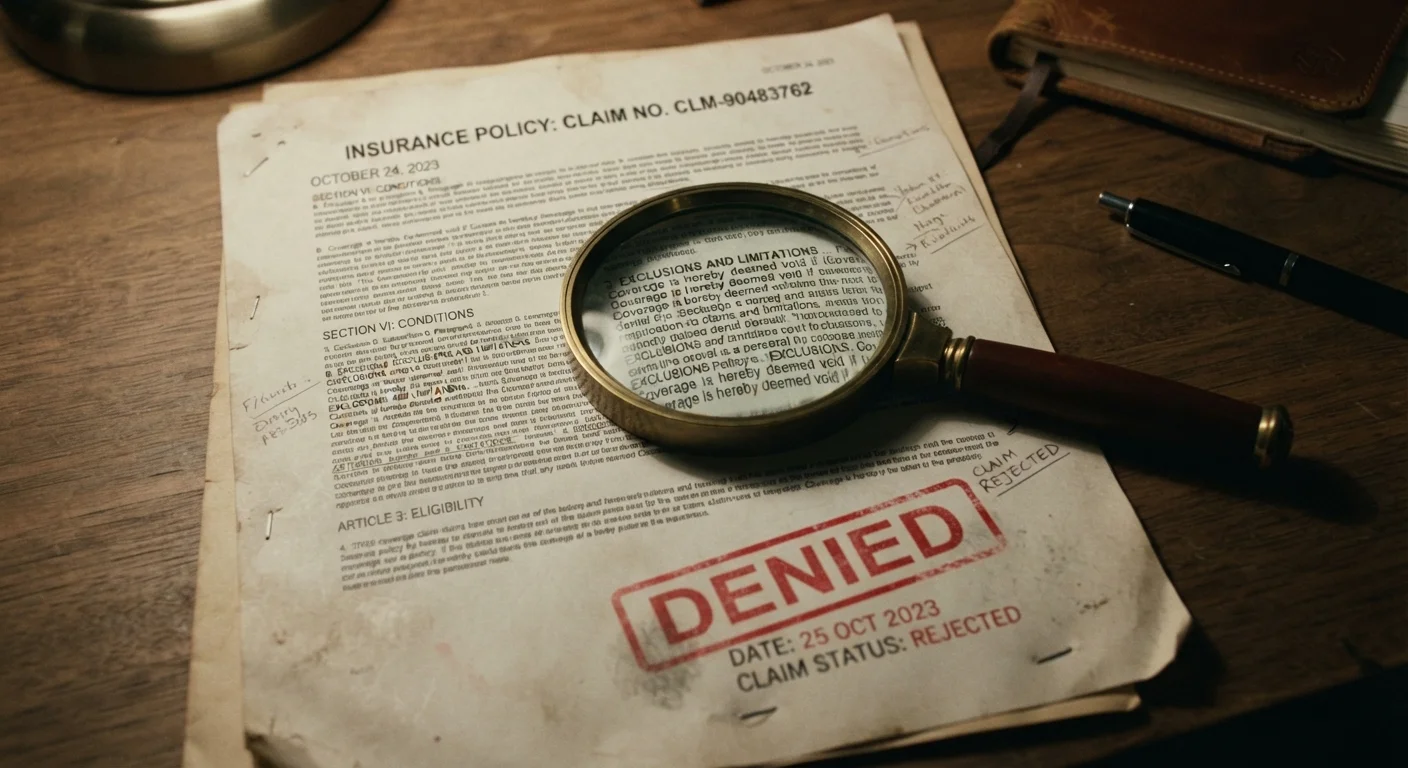
A denial is not necessarily final. Insurers are generally required to provide a written explanation citing the specific policy language or reason for the denial. Read that explanation carefully and match the cited language against your actual policy document - errors in application do occur.
Your first step is to request the full claim file if you did not receive one. Then locate the exact exclusion or condition the insurer cited. If the denial seems inconsistent with your reading of the policy, you can file a formal internal appeal. Most states also have an insurance commissioner's office that handles consumer complaints and, in some cases, independent external reviews.
Before submitting any claim, it is worth verifying a few key things first. Reviewing your policy before you file can clarify expectations and help you document your loss more effectively. For a broader look at coverage assumptions that lead people astray, see insurance myths that cost people money at claim time.
Avoid Misrepresenting Facts on a Claim
Providing false or misleading information on a claim - whether intentionally or by omission - can result in denial, policy cancellation, and potential legal consequences. Always report losses accurately and completely, even when the circumstances are complicated. If you are unsure how to describe an event, consult a licensed public adjuster or attorney before submitting.
This article is for general informational and educational purposes only and does not constitute personalized insurance, legal, or financial advice. Coverage terms, exclusions, and claim procedures vary by policy and state. Always read your actual policy documents carefully and consult a licensed insurance professional for guidance specific to your situation.