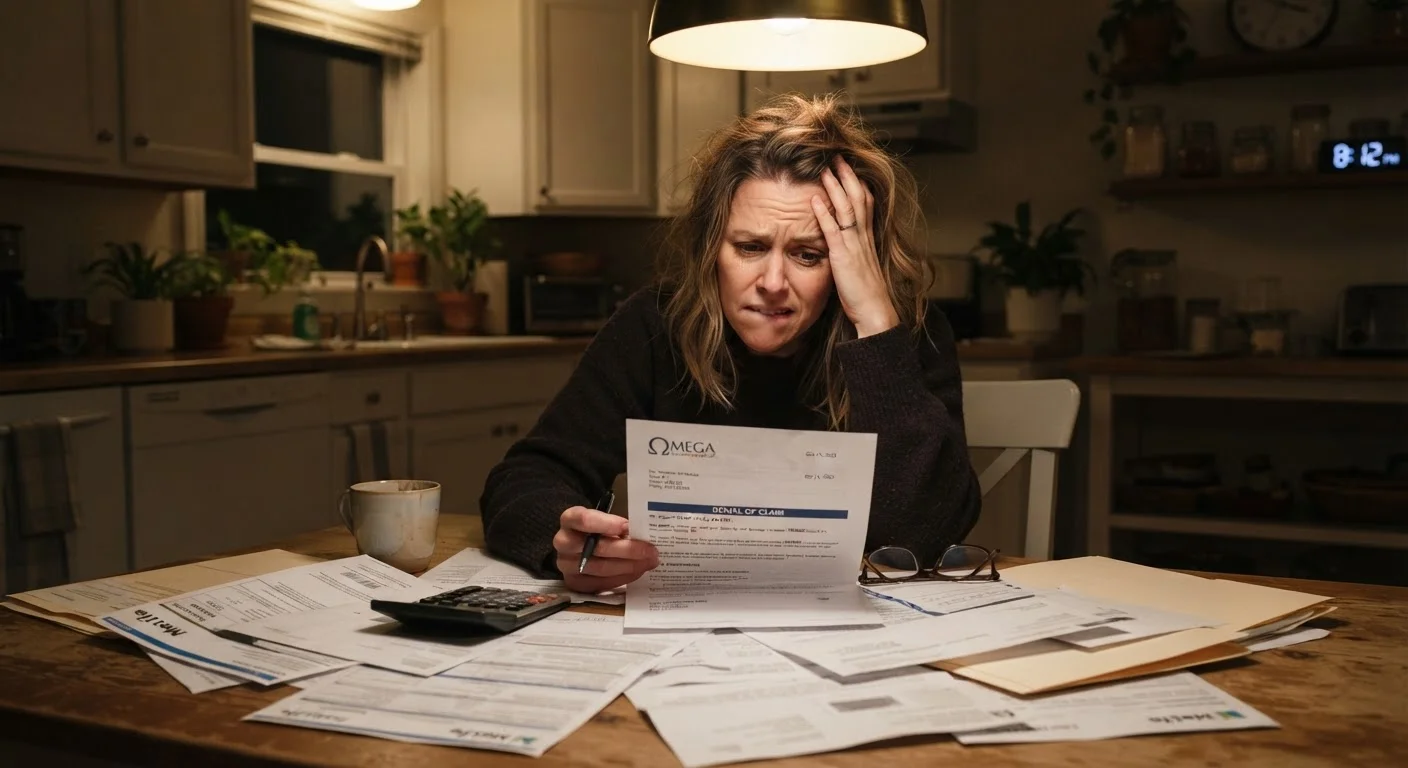

Why Coverage Gaps Catch Policyholders Off Guard
Most people assume that buying a policy means buying protection - that if something goes wrong, the insurer will step in. That assumption is understandable, but policies are built around precise language that defines exactly what qualifies for a payout and what doesn't. The situations left out are called exclusions, and they're tucked inside a section that many policyholders never read before a claim arises.
Understanding what your policy doesn't cover is just as important as knowing what it does. The gaps below appear regularly across homeowners, auto, health, and life policies - and they tend to feel like surprises only because no one flagged them at sign-up. For a plain-language explanation of how to navigate the exclusions section of any policy, see how to read exclusions without getting lost.
Flood Damage Under a Standard Homeowners Policy
One of the most consistently misunderstood gaps in homeowners insurance is flood exclusion. Standard homeowners policies - regardless of insurer - do not cover damage caused by flooding from external water sources such as storm surge, overflowing rivers, or heavy rainfall runoff. This exclusion applies even if your home sustains significant structural damage.
Flood coverage is available as a separate policy, most commonly through the NFIP or private insurers. Homeowners in low- to moderate-risk flood zones often assume they don't need it, but a significant share of flood claims come from properties outside high-risk designations.
Standard homeowners policies exclude flood damage - even catastrophic flooding from severe storms.
Sewer Backup and Water Damage From Below
Related to flooding but treated separately: sewer or drain backup is also excluded from most standard homeowners policies. If a municipal sewer line backs up into your basement, or a sump pump fails during heavy rain, the resulting water damage typically falls outside standard coverage.
Water backup coverage is commonly available as an endorsement - an add-on to your existing policy - often at a modest additional premium. Without it, cleanup and repair costs come entirely out of pocket. Check your policy's water damage provisions carefully, as policies distinguish between water that enters from above (sometimes covered) and water that enters from below or through drains (typically excluded).
Sewer backup damage is excluded by most standard homeowners policies and requires a separate endorsement.
Business Use of a Personal Vehicle
Personal auto insurance is underwritten on the assumption that you're using your vehicle for personal purposes: commuting, errands, leisure. When a vehicle is used to generate income - whether delivering goods, transporting passengers for a rideshare platform, or running a mobile business - personal auto policies frequently exclude coverage during those work activities.
This gap matters because a claim filed after an accident during a delivery or rideshare trip may be denied if the insurer determines the vehicle was in commercial use. Rideshare companies typically offer some coverage during active trips, but the gap between logging on to the platform and accepting a ride is often uninsured. A commercial auto endorsement or rideshare-specific policy can address this. See common insurance myths that cost people money for more situations where assumptions diverge from policy reality.
Using a personal vehicle for income-generating work often voids personal auto coverage during those trips.
High-Value Personal Property Under Homeowners Coverage
Homeowners and renters policies typically include personal property coverage, but they impose sub-limits on specific categories of valuables - jewelry, art, collectibles, musical instruments, firearms, and electronics among them. The sub-limit is often far lower than the item's actual value.
For example, a policy might cap jewelry theft coverage at $1,500 in total, regardless of what the stolen items are worth. Items exceeding sub-limits can be covered through a scheduled personal property endorsement, which lists individual items and insures them at their appraised value. Without scheduling high-value items, a theft or loss leaves a significant reimbursement gap.
Standard policies cap payouts for jewelry, art, and collectibles well below their actual value.
Income Replacement When You Can't Work
Health insurance covers medical bills, but it doesn't replace the paycheck you lose while recovering from a serious illness or injury. Many workers have no coverage for this scenario at all. Short-term disability coverage - if available through an employer - typically replaces a partial percentage of income for a limited period. Long-term disability policies extend that window, but they're held by a minority of workers.
The gap is significant: an extended inability to work can strain finances even when medical bills themselves are covered. Disability insurance is one of the most overlooked coverage types, yet it addresses a risk most working adults actually face.
Health insurance pays medical bills but does nothing to replace lost income during a recovery.
Maintenance-Related Damage and Wear Over Time
Insurance is designed to cover sudden, accidental losses - not the gradual deterioration that comes with age or neglect. Homeowners policies routinely exclude damage attributed to lack of maintenance, wear and tear, or slow leaks that developed over time. If a roof that should have been replaced years ago finally fails, or a slow pipe leak causes mold after months of undetected dripping, claims for these losses are frequently denied.
This exclusion is one area where policy conditions directly affect whether a claim gets paid - insurers may require that homeowners maintain the property in reasonable condition as a term of coverage. Routine upkeep isn't just good ownership practice; it's often a policy obligation.
Gradual deterioration and maintenance neglect are excluded from virtually every homeowners policy.
Closing the Gaps Before You Need To
None of these gaps are inevitable. Riders, endorsements, and separate specialty policies exist precisely to address them - but they must be added deliberately, usually before a loss occurs. The first step is knowing which gaps apply to your situation.
Ask About Riders and Endorsements Specifically
When reviewing your policy with an agent, ask directly: 'What is excluded that I might assume is covered?' Many gaps can be closed with endorsements - additions to an existing policy that cost less than a separate policy. Agents are required to be licensed and can explain coverage options available in your state. Getting answers in writing helps avoid misunderstandings later.
Review your policy declarations page alongside the exclusions section annually, especially after major life changes like a home renovation, a new vehicle, or a job change. If a term is unfamiliar, the insurance terms glossary is a useful reference for decoding policy language before you speak with an agent.
Coverage decisions are deeply personal and depend on your circumstances, location, and the specific insurer's policy language. This article is general educational information, not personalized insurance advice. Always read your actual policy documents and consult a licensed insurance agent or adviser before making coverage decisions.
This article is for informational purposes only and does not constitute personalized insurance, financial, or legal advice. Coverage terms, exclusions, and availability vary by insurer and state. Consult a licensed insurance professional and review your actual policy documents for guidance specific to your situation.