What the Skin Barrier Actually Does
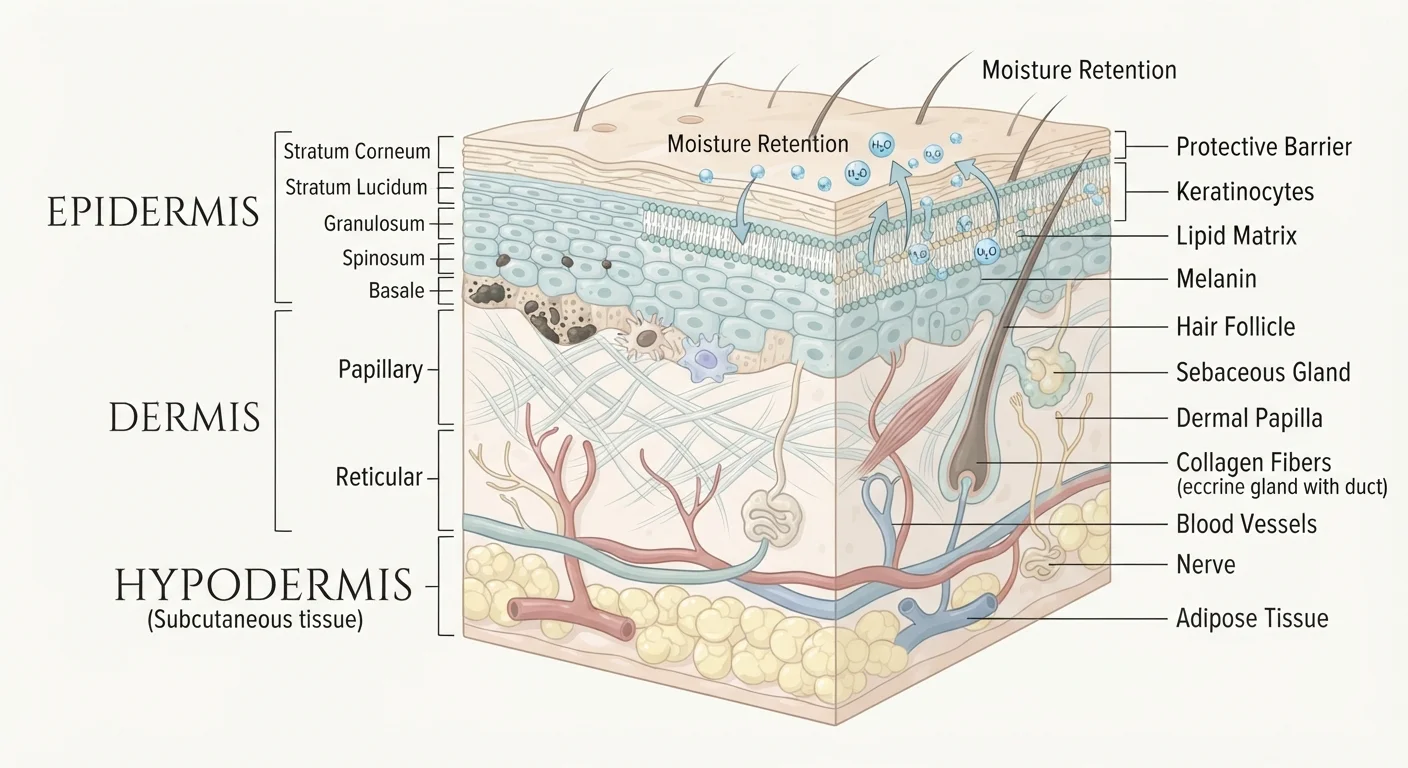
Think of your skin barrier as a two-way shield. Outward-facing, it blocks environmental stressors - pollutants, allergens, bacteria, UV radiation. Inward-facing, it prevents transepidermal water loss (TEWL), the process by which moisture naturally evaporates out of your skin.
The barrier's 'brick and mortar' structure consists of tough, protein-filled skin cells (the bricks) held together by a mixture of lipids - primarily ceramides, fatty acids, and cholesterol (the mortar). This lipid matrix is what regulates how much water your skin holds onto and how much it lets escape. Disrupt the mortar and the whole structure becomes porous and reactive.
A healthy barrier doesn't just feel comfortable - it also maintains a slightly acidic pH, around 4.5 to 5.5, which inhibits harmful microbial growth and supports the skin's own repair enzymes. Anything that pushes that pH higher can unravel multiple protective processes simultaneously.
~50%
Of skin's lipid matrix is ceramides
Research in dermatology literature consistently identifies ceramides as the dominant lipid component of the stratum corneum, underscoring their importance in barrier function.
4.5-5.5
Healthy skin surface pH range
The skin's slightly acidic pH is central to barrier defense; many common cleansers have a higher pH that can temporarily disrupt this balance.
2-4 weeks
Typical barrier recovery window
Dermatology research suggests that with appropriate care and trigger avoidance, a moderately compromised barrier can show meaningful improvement within this timeframe.
The Most Common Causes of Barrier Breakdown
Barrier damage rarely happens from a single dramatic event. More often, it accumulates from everyday habits and product choices. The most common culprits include:
- Over-cleansing or harsh cleansers: Surfactants that strip oil also strip lipids from the barrier. Washing your face multiple times a day with a foaming cleanser is a frequent offender.
- Exfoliating too aggressively: Physical scrubs and chemical exfoliants (AHAs, BHAs, retinoids) are useful tools, but using them too frequently or at high concentrations degrades the protective layer faster than it can regenerate.
- UV exposure without protection: Sun damage degrades skin proteins and lipids over time, weakening the barrier's structural integrity - even before visible burns or tanning occurs.
- Environmental factors: Cold, dry air - especially forced indoor heating in winter - pulls moisture from the skin. Wind and low humidity compound the effect.
- Stress and poor sleep: Both affect cortisol levels, which in turn influence skin inflammation and repair. Chronically elevated cortisol can slow barrier recovery.
When in Doubt, Scale Back
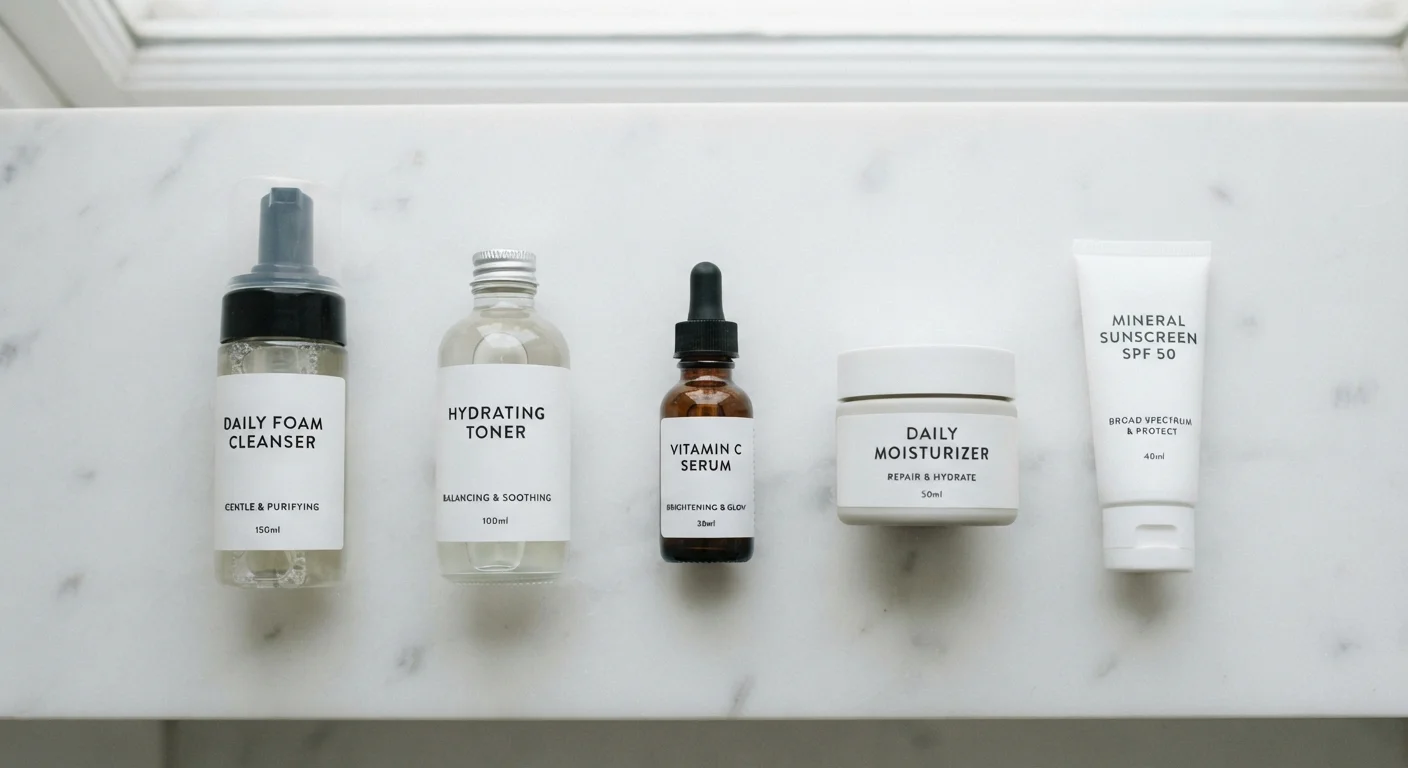
If your skin suddenly becomes reactive and you're using multiple active ingredients, resist the urge to add more products to address each new symptom. Instead, strip the routine down to basics for one to two weeks. A simple cleanser, bland moisturizer, and SPF gives the barrier space to recover without additional chemical load.
How to Recognize a Compromised Barrier
The skin is fairly communicative when something's wrong. Warning signs of a disrupted barrier tend to cluster together:
- Persistent tightness or dryness that moisturizer doesn't fully resolve
- Stinging, burning, or itching when applying products - even ones previously tolerated
- Redness, flakiness, or a rough, uneven texture
- Sudden increase in breakouts or clogged pores
- Skin that looks dull or feels sensitive to temperature changes
It's worth noting that oily skin can still have a compromised barrier. Excess sebum doesn't automatically mean the lipid matrix is intact - the two are separate systems. If your skin is oily and reactive or dehydrated, the barrier warrants attention regardless.
Rebuilding and Protecting Your Skin Barrier
The core strategy for barrier recovery is straightforward: reduce the load on the skin while giving it the materials it needs to repair. In practice, this means:
- Simplify your routine. Pare back to a gentle cleanser, a barrier-supporting moisturizer, and SPF during the day. Eliminate exfoliants and actives temporarily.
- Look for ceramide-containing moisturizers. Ceramides are lipids found naturally in the barrier; replacing depleted ones is a well-supported approach to barrier repair.
- Layer products correctly. Even the best ingredients won't work if applied in an order that blocks absorption or disrupts the skin's pH. See our guide to skincare layering order for how to sequence your routine effectively.
- Protect from UV daily. Broad-spectrum SPF isn't optional during repair - it prevents further structural breakdown while the barrier recovers.
This article is for general informational and educational purposes only. It is not a substitute for professional medical or dermatological advice. If you have persistent skin concerns, consult a qualified healthcare provider or dermatologist.
Skin Type vs. Skin Condition
Skin type (oily, dry, combination, normal) is largely genetic and fairly stable. Skin condition - including barrier health - changes based on habits, environment, and product use. A compromised barrier is a condition, not a type, which means it can affect anyone and is generally addressable with appropriate care.