
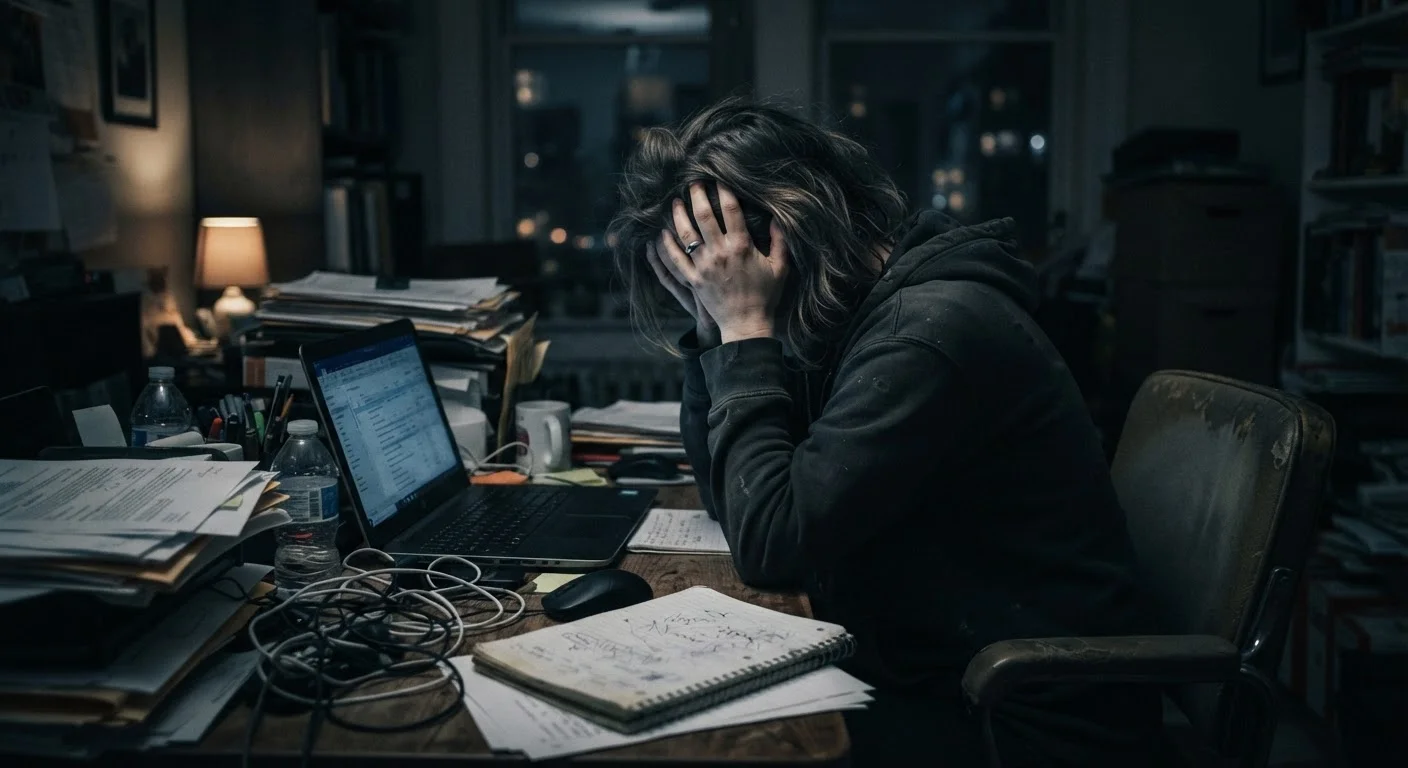
The Difference Between Stress That Passes and Stress That Stays
Short-term stress is a built-in survival tool. When you face a deadline or near-miss on the highway, your body releases cortisol and adrenaline, sharpens your focus, and prepares you to act. Once the threat passes, your systems return to baseline. This is healthy and normal.
Chronic stress is something different. It occurs when the threat never seems to go away - persistent financial pressure, a difficult work environment, caregiving demands, or ongoing relationship conflict. The body stays primed for danger long after the immediate situation has passed, keeping cortisol elevated and the nervous system on high alert. Over time, that persistent activation stops being protective and starts causing harm.
For a closer look at early warning signs that stress may be exceeding your capacity to cope, see Signs Your Stress Levels May Need Attention.
What Happens Inside the Body Under Sustained Stress
When stress becomes chronic, it affects nearly every major system in the body - often in ways that don't feel obviously connected to stress at all.
77%
Americans reporting physical symptoms from stress
According to the American Psychological Association's Stress in America survey, a large majority of U.S. adults regularly experience physical symptoms they attribute to stress.
2-3×
Increased cardiovascular risk under chronic stress
Research published in peer-reviewed cardiology literature suggests chronically stressed individuals may face significantly elevated risk of major cardiac events compared to low-stress counterparts.
40%
Adults reporting stress-related sleep disruption
The APA's Stress in America data consistently shows that a substantial proportion of adults say stress interferes with their ability to get a full night of sleep.
Heart and Blood Vessels
Sustained cortisol elevation raises blood pressure, increases heart rate, and promotes inflammation in artery walls. Over time, these factors contribute to a meaningfully higher risk of cardiovascular disease, including heart attack and stroke. The American Heart Association recognizes stress as a contributing factor to heart disease, though the precise mechanisms are still being studied.
Immune Function
Chronic stress suppresses immune response, making the body less effective at fighting off infections and slower to heal. People under long-term stress often report getting sick more frequently - and there is solid research supporting that observation.
Digestion
The gut and the brain are tightly connected through what researchers call the gut-brain axis. Chronic stress can disrupt digestion, worsen symptoms of irritable bowel syndrome (IBS), and alter the gut microbiome in ways that may affect mood and immunity in turn.
Brain Structure and Function
Prolonged exposure to stress hormones has been shown to affect the hippocampus - the brain region central to memory and learning - and the prefrontal cortex, which governs decision-making and emotional regulation. This helps explain why people under chronic stress often struggle to concentrate, make decisions, or regulate their emotions effectively.
The Stress-Sleep-Habit Loop
One of the most damaging aspects of chronic stress is how it undermines the very habits that help the body recover. Sleep is typically the first casualty - stress makes it harder to fall asleep, stay asleep, and reach the deep, restorative stages that the brain needs. Poor sleep then amplifies stress reactivity the next day, making everything harder.
Prioritizing Sleep Is a Stress Strategy
Sleep is not a luxury when you're under stress - it's a physiological necessity for recovery. Even modest improvements in sleep duration and consistency can help lower cortisol levels and improve emotional regulation the following day. Small changes, like a consistent bedtime and limiting screens before sleep, are a reasonable starting point for most adults.
This creates a cycle: stress disrupts sleep, disrupted sleep reduces resilience, reduced resilience makes stress feel more overwhelming. To understand this relationship in depth, see Why Sleep and Mental Health Are So Deeply Connected.
Chronic stress also erodes the routines - regular exercise, consistent meals, social connection - that act as buffers against further stress. For practical guidance on maintaining healthy habits under pressure, Stress and Healthy Habits explores what the evidence says about breaking that cycle.
Why This Isn't About Willpower
A common misconception is that chronic stress reflects weakness or an inability to cope. In reality, chronic stress has measurable biological underpinnings. Structural inequalities, demanding work environments, financial insecurity, and caregiving burdens are real, external conditions - not personal failures.
Understanding this is important because shame about stress often delays people from seeking help. If stress has begun affecting your work life significantly, When Work Stress Becomes Something More Serious explains how to recognize when professional support may be warranted.
Building resilience is also less about dramatic overhauls than about consistent, manageable changes over time. The research on this is clear - see Consistency vs. Intensity: What Actually Drives Long-Term Health Gains for more on why steady habits tend to outperform intense interventions.
This article is for general informational purposes only and does not constitute medical advice. If stress is affecting your health or daily functioning, please consult a qualified healthcare provider.