
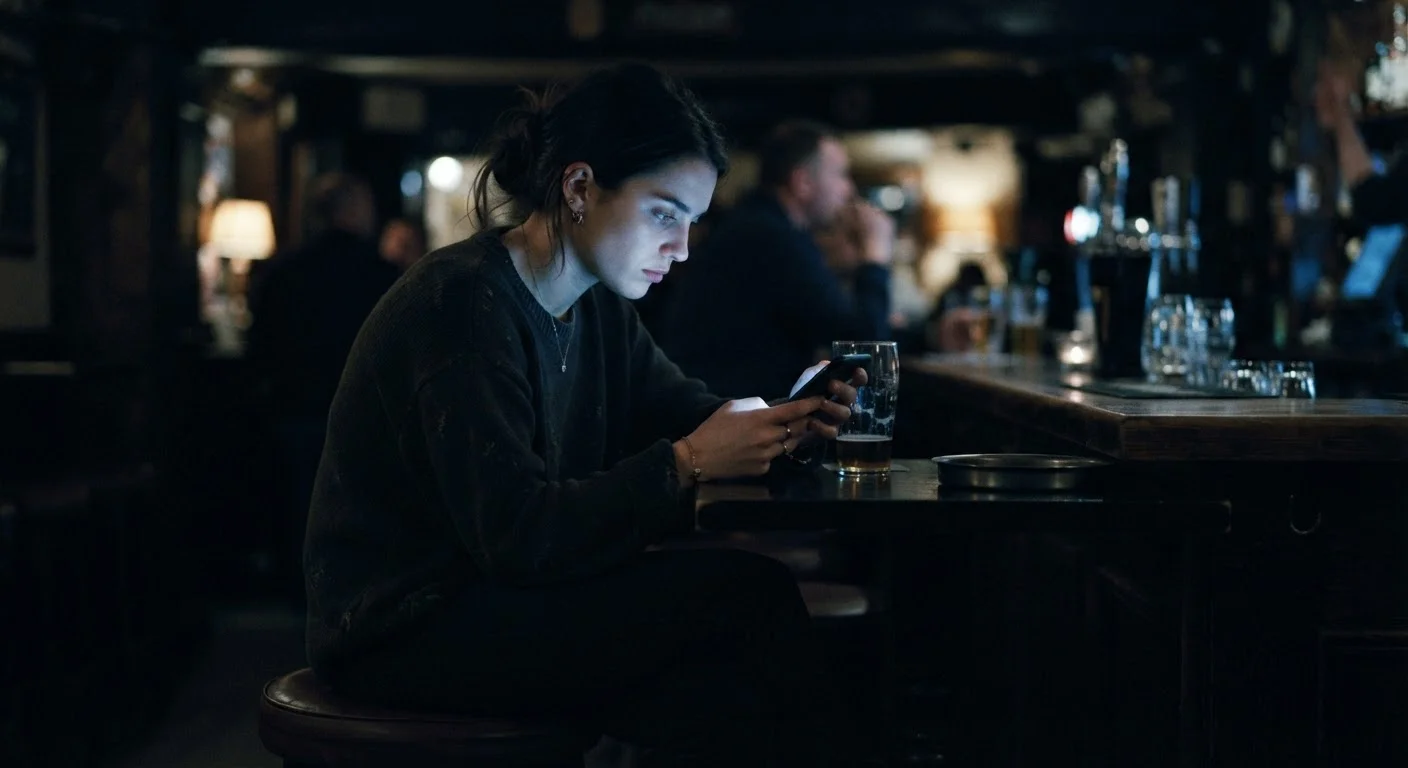
Why Social Media's Effects Creep Up Slowly
Most people don't open a social media app expecting to feel worse afterward. The harm rarely shows up as a single bad experience - it accumulates through small, repeated patterns that feel completely normal. That's what makes these habits easy to overlook and hard to change.
Research consistently shows associations between certain types of social media use and higher rates of anxiety, lower self-esteem, and poorer sleep - particularly among adults who use platforms heavily or in specific ways. Understanding the specific behaviors driving those outcomes is the first step to adjusting them. As part of a broader look at your routine, the Daily Wellness Audit can help you see where social media fits into your wider health picture.
Passive scrolling without purpose or time limits.
Why it happens: Opening an app out of boredom or habit is a near-automatic behavior that platforms are specifically designed to encourage through infinite scroll and autoplay features.
Using social media as the last thing you do before sleep.
Why it happens: Phones are ubiquitous in bedrooms, and scrolling feels like a low-effort wind-down. In reality, the stimulation - emotionally charged content, blue light, and social comparison - works against the mental decompression needed for quality sleep.
Treating curated social feeds as an accurate reflection of others' lives.
Why it happens: Our brains process social information instinctively, and upward social comparison - measuring ourselves against those who appear to be doing better - happens quickly and often below conscious awareness.
Seeking emotional validation through likes, comments, and follower counts.
Why it happens: Social approval activates the brain's reward system. When a post doesn't perform as expected, the resulting dip in mood can be disproportionate - and the solution people reach for is often to post again, creating a feedback loop.
Using social media to cope with difficult emotions rather than process them.
Why it happens: Scrolling feels soothing in the same way other numbing behaviors do - it temporarily reduces awareness of uncomfortable feelings without resolving them, which makes it a go-to avoidance tool.
Patterns Worth Changing - and How to Start
Awareness is genuinely the hardest part. Most of the habits listed above happen on autopilot, so the goal isn't perfection - it's building small points of friction that give your brain a chance to choose differently.
3+ hours
Daily social media use linked to higher distress risk
Studies published in JAMA Pediatrics and other peer-reviewed journals suggest that extended daily social media use is associated with elevated rates of anxiety and depression symptoms.
~70%
Adults who check social media before bed
Surveys conducted by the American Psychological Association have found that a significant majority of American adults use their phones - including social media - within the hour before sleep.
Practical starting points include turning off non-essential notifications, using your phone's built-in screen-time tools to set daily limits, and - critically - charging your phone outside the bedroom. If you notice that your mood reliably drops after certain apps or accounts, that signal is worth acting on, whether that means unfollowing, muting, or taking a deliberate break.
Social media can also quietly feed stress in ways that compound over time. The signs your stress levels may need attention article offers a practical checklist for recognizing when screen-driven stress is starting to affect your broader wellbeing. And if disrupted sleep is part of the picture, the relationship between sleep and mental health is worth understanding - poor sleep and elevated anxiety can reinforce each other in a cycle that social media use can worsen.
When Social Media Use Becomes Compulsive
If you find yourself unable to reduce your use despite wanting to, or if logging off consistently results in anxiety, irritability, or a sense of missing out that disrupts your day, these may be signs worth discussing with a mental health professional. Compulsive patterns around social media are not a character flaw - they're a behavioral response that can be meaningfully addressed with professional support.
This article is for general informational purposes only and is not a substitute for professional mental health advice, diagnosis, or treatment. If social media use is significantly affecting your mood or daily functioning, please speak with a qualified healthcare professional.