
What Emotional Wellbeing Actually Means
Emotional wellbeing is one of those phrases that gets used often but rarely unpacked. At its core, it describes your capacity to recognize your own emotions, process them in healthy ways, and maintain a sense of balance through life's inevitable ups and downs. It is not about feeling happy all the time or eliminating negative emotions entirely.
Emotional wellbeing
Your ability to recognize, understand, and manage your feelings in ways that allow you to function and cope with everyday life.
Emotional resilience
The capacity to recover and adapt after stress, adversity, or difficult experiences - not the absence of those experiences.
Stress response
Your body's automatic reaction to perceived threats or pressure, involving hormonal and physiological changes that prepare you to act.
Mental health
A broad term covering your emotional, psychological, and social functioning - how you think, feel, and relate to others.
Mindfulness
The practice of paying deliberate, non-judgmental attention to your present-moment thoughts, feelings, and sensations.
Think of emotional wellbeing less as a destination and more as an ongoing relationship with yourself. That relationship can be strengthened with awareness, practice, and the right support. For a broader view of where emotional wellness fits in the American context, see Mental Wellness in America: A Complete Overview.
Why It Matters for Your Overall Health
Emotional health doesn't exist in a silo. Research consistently shows that chronic stress, unprocessed grief, and persistent anxiety can contribute to physical symptoms - disrupted sleep, weakened immune response, and changes in appetite, among others. The mind and body are in constant communication.
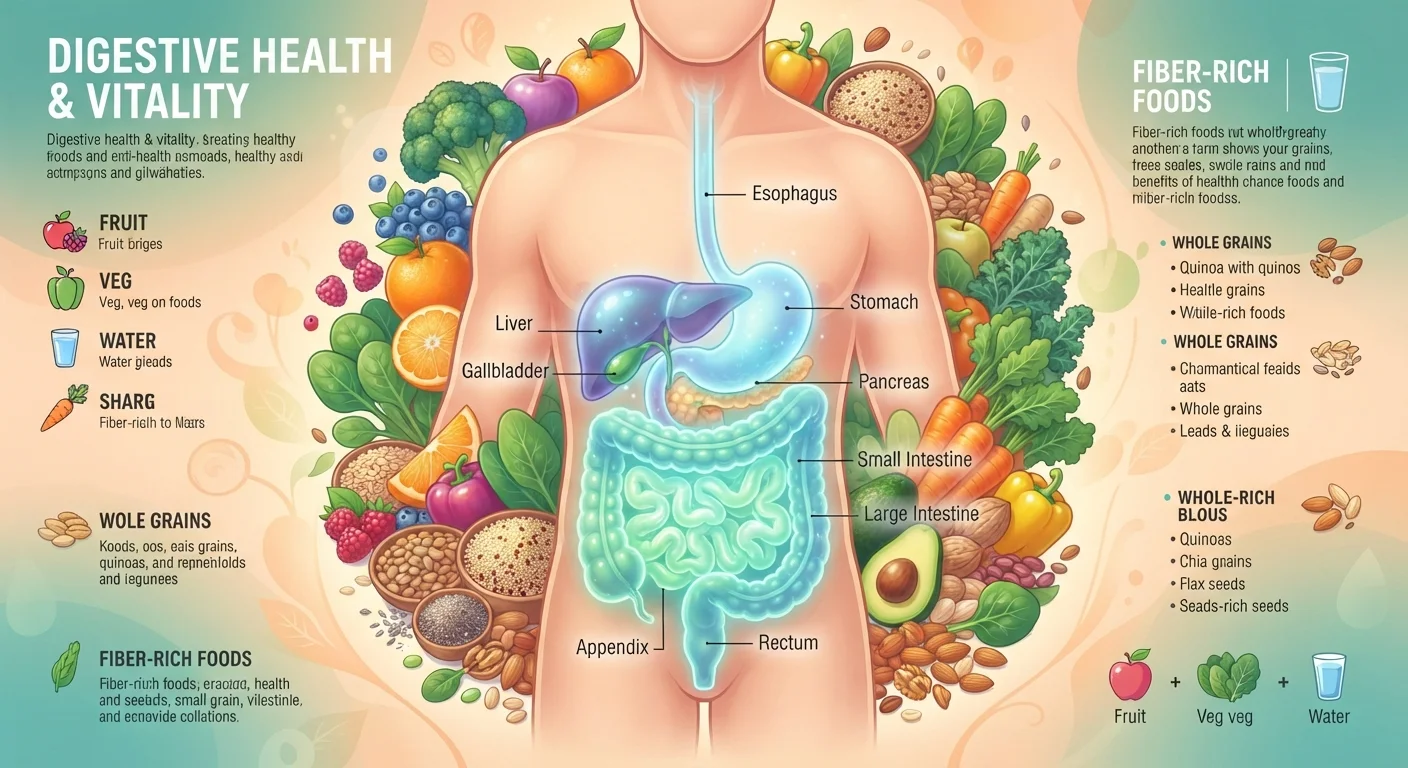
This connection runs in both directions. Physical habits like regular movement and nourishing food also influence mood and stress tolerance. Exploring that link further can be valuable - our Physical Health hub covers how everyday body wellness supports overall functioning. Even gut health has a documented relationship with emotional regulation, something explored in depth in Gut Health and Physical Wellness: What's the Connection?.
The Mind-Body Link Is Two-Way
Emotional stress can manifest as physical symptoms, but physical health choices also shape your emotional state. This interconnection means that improving one area often creates positive ripple effects in the other. Neither dimension should be treated in complete isolation.
Core Habits That Support Emotional Health
No single habit is a cure-all, but the following practices are well-supported by evidence as contributors to emotional resilience:
- Consistent sleep: Poor or irregular sleep amplifies emotional reactivity and impairs decision-making. Aiming for a regular sleep-wake schedule is one of the highest-leverage changes most people can make.
- Physical movement: Even moderate activity - a daily walk, light stretching - is associated with improved mood and reduced anxiety symptoms.
- Social connection: Meaningful relationships act as a buffer against stress. Connection doesn't require a large social circle; depth matters more than breadth.
- Stress-awareness practices: Techniques like mindful breathing, journaling, or simply pausing before reacting can help interrupt automatic stress responses.
- Limiting chronic stressors: Where possible, identifying and reducing ongoing sources of stress - whether financial, relational, or environmental - supports emotional capacity over time.
Start With One Habit, Not Five
Trying to overhaul sleep, diet, exercise, and stress management simultaneously often leads to burnout. Research on behavior change suggests that focusing on one small, specific habit - and doing it consistently - is far more effective than broad, ambitious overhauls. Give a new habit several weeks to stabilize before adding another.
For a structured way to evaluate how your current habits are holding up, the Daily Wellness Audit offers a practical self-check across sleep, movement, nutrition, and stress.
Recognizing When You Need More Support
Self-care habits are valuable, but they have limits. Certain signs suggest it may be time to speak with a mental health professional rather than relying solely on personal strategies:
- Persistent low mood or anxiety lasting more than two weeks
- Difficulty functioning at work, in relationships, or in daily tasks
- Increased use of alcohol or other substances to cope
- Feelings of hopelessness or thoughts of harming yourself
Seeking help is not a last resort - it's an informed decision. If you're not sure where to begin, Seeking Mental Health Support for the First Time walks through what to expect from the process and how to take that initial step.
Don't Wait for a Crisis to Seek Help
Many people delay reaching out to a mental health professional until they feel they've exhausted all other options. In reality, earlier support typically leads to better outcomes. If daily functioning feels consistently difficult, that alone is a valid reason to speak with a counselor or therapist.
This article is for general informational purposes only and is not a substitute for professional medical or mental health advice. If you are experiencing a mental health crisis or emergency, contact the 988 Suicide and Crisis Lifeline by calling or texting 988, or go to your nearest emergency room.
Building Your Foundation: Where to Begin
The most effective starting point is almost always the simplest one. Rather than overhauling your entire routine at once, choose one area - sleep, movement, or connection - and commit to a small, realistic change for two to three weeks before adding another.
Habit-building itself is a learnable skill. If you're new to the process, A Practical Introduction to Building Healthy Habits From Scratch covers the core principles and realistic timelines. More structured guidance lives across the Healthy Habits hub.
Emotional wellbeing is built incrementally. Progress is rarely linear, and that's expected. The goal isn't perfection - it's building enough internal stability that you can handle difficulty without being overwhelmed by it. That capacity grows with practice, support, and patience.
988 Suicide and Crisis Lifeline
A free, confidential U.S. crisis support line available 24/7 by call or text. Useful for anyone experiencing emotional distress or a mental health crisis, not just emergencies.
SAMHSA National Helpline
The Substance Abuse and Mental Health Services Administration offers a free, confidential referral service (1-800-662-4357) connecting people to local treatment and support options.
Daily Wellness Audit
A practical self-check tool to evaluate how your current habits around sleep, movement, nutrition, and stress are supporting - or undermining - your overall health.