What Is Phantom Load - and Is It Really a Problem?
"Phantom load" (also called standby power or vampire power) refers to electricity consumed by a device that is plugged in but not actively in use. The concept is real and measurable - the debate is about how significant it actually is for the average household.
When a device stays plugged in, it often maintains a small internal circuit to power indicator lights, clocks, remote-control receivers, or simply to stay ready for a quick startup. This continuous trickle is the phantom load. For most individual devices, it measures in fractions of a watt to a few watts - a modest amount on its own.
The concern arises from scale. The U.S. Department of Energy has noted that standby power can account for roughly 5-10% of residential electricity use in a typical American home, though this figure varies considerably depending on the number and type of devices in the household. That range translates to a real but often modest dollar amount per year - not a crisis, but not entirely ignorable either.
Myth
Turning a device off means it's not using any electricity.
Fact
Most modern electronics continue drawing a small amount of power even when switched off, as long as they remain plugged in.
"Off" on consumer electronics rarely means completely disconnected from power. The device's internal circuits - for a standby LED, a clock, or a remote receiver - stay active. The wattage is typically small (often under 1-2 watts for newer devices), but it runs 24 hours a day, 365 days a year.
Myth
Unplugging everything will dramatically cut your electricity bill.
Fact
For most households, phantom load represents a modest share of total electricity use, not a dominant cost driver.
While standby power is real, heating, cooling, water heating, and major appliances like refrigerators typically dominate a home's energy consumption. Unplugging high-draw standby devices can trim costs, but expecting a dramatic reduction from unplugging phone chargers and lamp timers will likely lead to disappointment. Focus effort on the genuinely high-draw offenders.
Myth
A phone charger left plugged in with no phone attached wastes significant electricity.
Fact
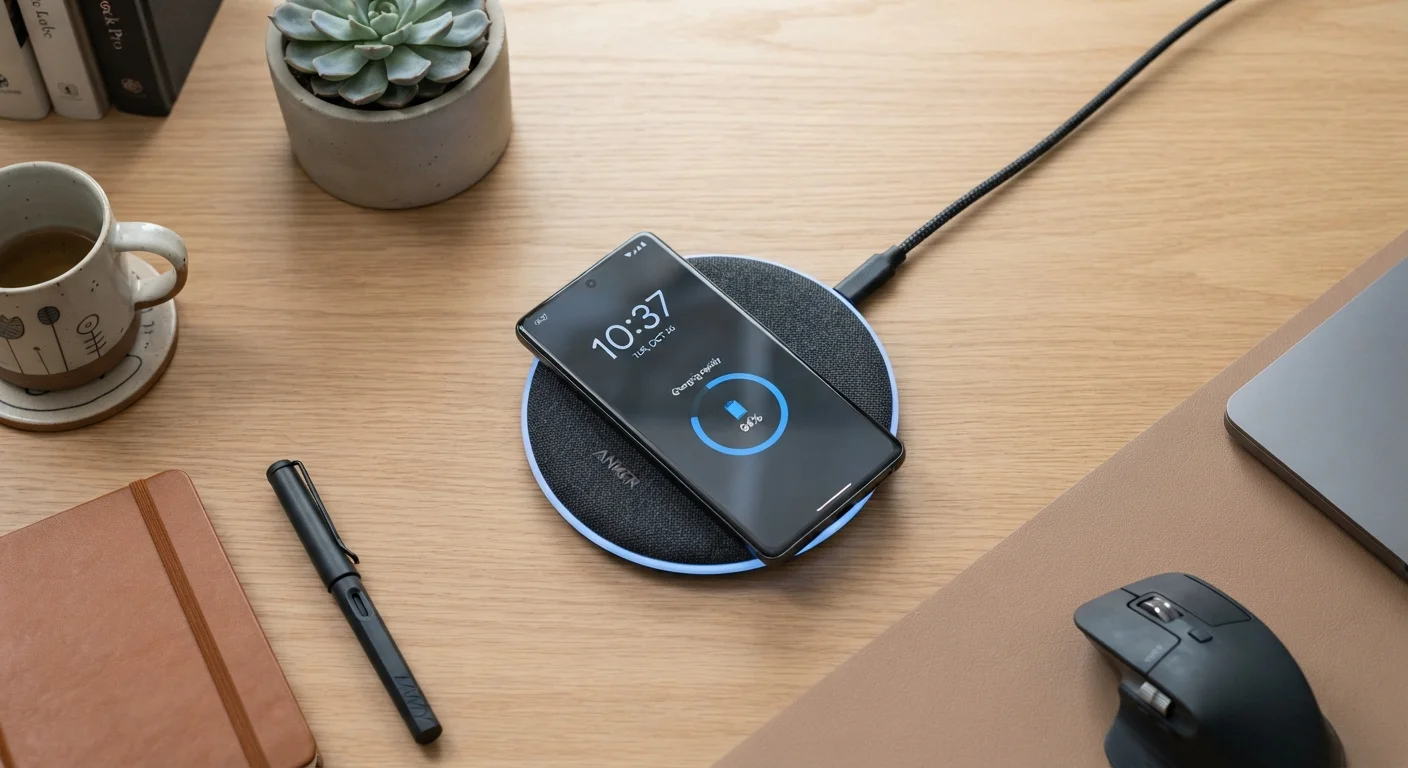
Modern phone chargers draw negligible power - often less than 0.1 watts - when no device is connected.
This is one of the most persistent but least consequential phantom load myths. Older, bulkier "wall wart" transformers from earlier decades did draw meaningful power continuously. Modern compact chargers with switching power supplies have very low no-load consumption. Leaving one plugged in year-round may add only a few cents to your annual bill.
Myth
Sleep mode and power-off are basically the same for energy use.
Fact
Sleep mode keeps much more of a device's systems active than a full power-off, resulting in meaningfully higher ongoing power draw.
A computer or gaming console in sleep mode maintains RAM, network connectivity, and update processes - consuming considerably more watts than a true shutdown. For devices you won't use for hours or overnight, a full power-off (not just sleep) is a straightforward way to reduce consumption without unplugging anything.
Myth
All plugged-in devices draw roughly the same standby power.
Fact
Standby power varies enormously between device types - from fractions of a watt to over 15-20 watts for some older cable boxes and home theater receivers.
The range is wide enough that targeting specific high-draw devices is far more effective than treating all plugged-in items as equally wasteful. Older set-top boxes, audio-video receivers with large standby displays, and older game consoles are consistently among the higher standby consumers. A newer ENERGY STAR-rated television, by comparison, may draw only 0.3-0.5 watts in standby.
Where the Real Wasters Hide
Not all plugged-in devices are equal offenders. Understanding which categories draw the most standby power helps you make smarter decisions about what to unplug - without making unplugging everything a daily ritual.
5-10%
Share of home electricity from standby power
The U.S. Department of Energy estimates standby power accounts for roughly 5-10% of residential electricity use in a typical American home.
~$100
Estimated annual standby cost per household
The Lawrence Berkeley National Laboratory has estimated the average U.S. household spends roughly $100 per year powering devices in standby or idle mode, though actual figures vary widely.
High draw categories to watch:
- Older televisions and home theater equipment - especially those with instant-on features or large standby displays
- Desktop computers and gaming consoles - particularly when left in sleep mode rather than fully powered off
- Older cable boxes and DVRs - these are well-documented standby power consumers, often drawing significant wattage around the clock
- Microwave ovens - the clock display runs continuously
By contrast, a modern smartphone charger with no phone attached draws nearly zero power, and many ENERGY STAR-certified devices are engineered to minimize standby consumption substantially. For a deeper look at how charging behaviors affect your devices themselves, see our battery charging myths guide.
Don't Overlook Older Cable Boxes and DVRs
Studies by energy researchers have consistently identified cable set-top boxes and DVRs as among the highest standby power consumers in American homes, sometimes drawing 15-20 watts continuously. If your household still uses older cable equipment, contacting your provider about energy-efficient replacements or switching to streaming alternatives is worth considering from an energy standpoint.
Practical Steps That Actually Move the Needle
Completely unplugging every device every time you leave a room is impractical for most households - and for the lowest-draw devices, it likely isn't worth the effort. A more targeted approach produces better results with less friction.
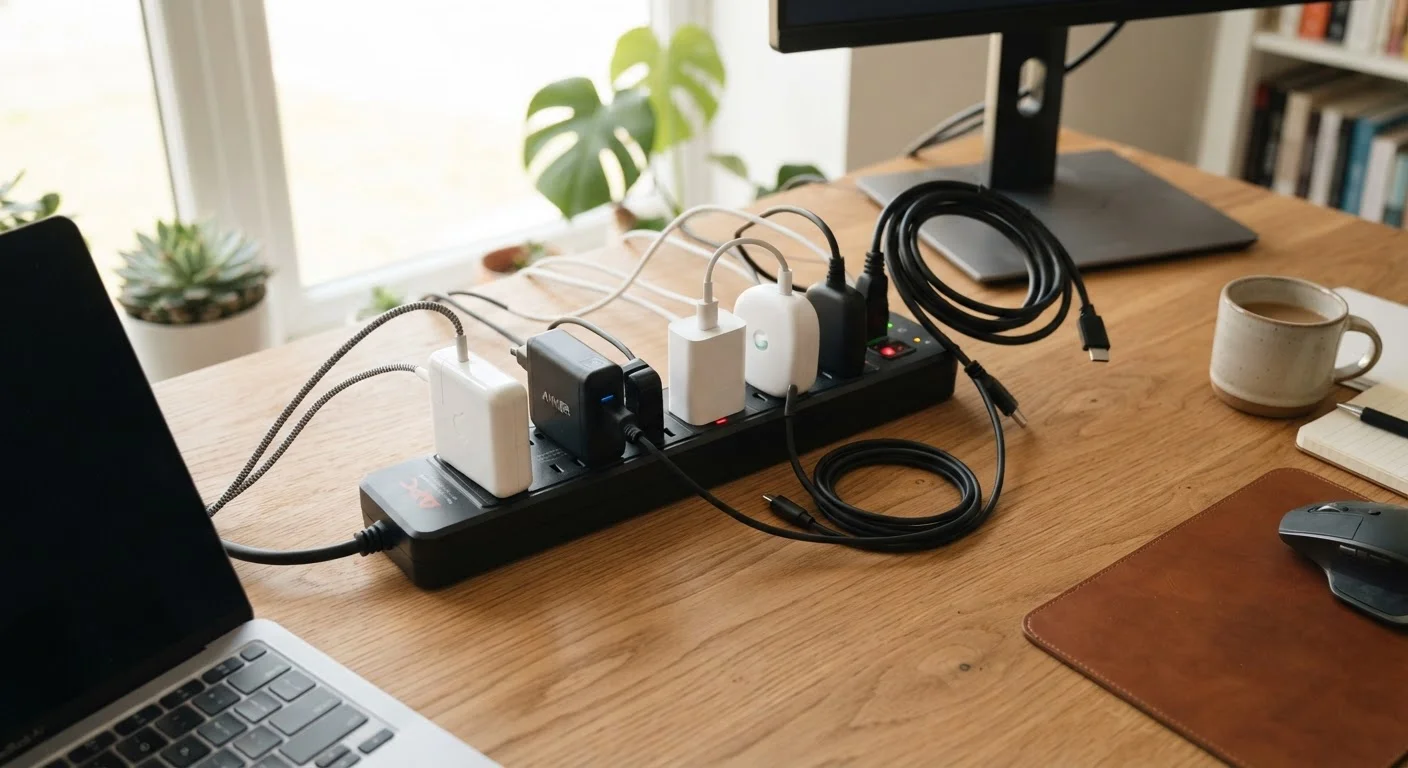
Smart power strips automatically cut power to peripheral devices when a primary device (like a TV) is switched off, eliminating standby draw from an entire entertainment center with no behavior change required. Outlet timers can schedule power delivery to devices you use on a predictable routine.
Prioritize unplugging or switching off devices that score highest on both usage frequency and standby draw - a gaming console left in rest mode all day is a more worthwhile target than a phone charger sitting empty on a nightstand. This kind of thoughtful audit connects directly to broader patterns of spending leaks that erode household budgets quietly over time.
For habits that help your electronics last longer as well as run more efficiently, the gadget longevity guide covers practical care routines worth building. And if you enjoy separating household myths from reality across categories, the same logic applies to popular car maintenance myths that cost drivers money every year.
Focus on High-Draw Devices First
Unplugging every device indiscriminately provides diminishing returns and significant daily inconvenience. A more effective approach: identify the two or three devices in your home with the highest confirmed standby draw - often older home theater equipment, gaming consoles, or cable boxes - and address those specifically with smart strips or habit changes. For everything else, the energy cost is likely too small to justify the effort.